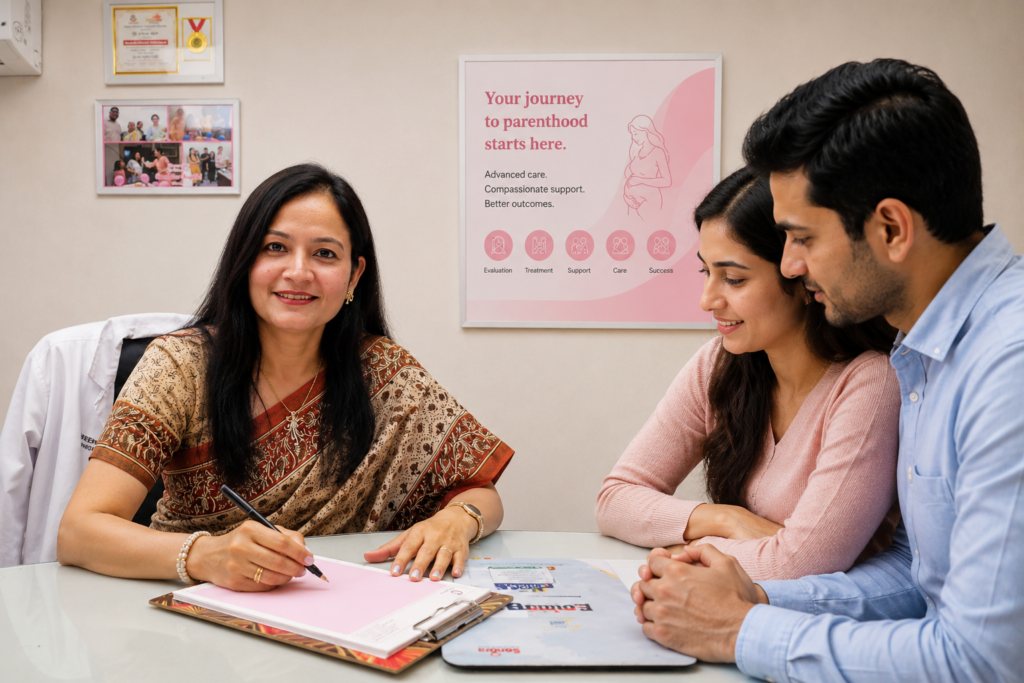
Infertility is a common reproductive health concern that affects millions of women and couples worldwide. While many women are able to conceive naturally, others may experience difficulty becoming pregnant despite having regular unprotected intercourse for several months or longer. Understanding the Common Causes of Female Infertility is an important step toward early diagnosis, timely treatment, and improved reproductive health.
Female fertility depends on several biological processes working together. Healthy ovaries must release an egg each month, the fallopian tubes must remain open to allow the egg and sperm to meet, fertilization must occur successfully, and the fertilized egg must implant properly inside the uterus. A problem affecting any of these stages may reduce the chances of pregnancy.
Many women assume infertility is always caused by age or severe medical conditions. However, fertility can also be influenced by hormonal imbalances, ovulation disorders, polycystic ovary syndrome (PCOS), thyroid disease, endometriosis, blocked fallopian tubes, lifestyle factors, and certain chronic health conditions. Some causes are temporary and treatable, while others require specialized fertility care.
Fortunately, advances in modern reproductive medicine have significantly improved the diagnosis and treatment of infertility. Early medical evaluation allows healthcare professionals to identify the Common Causes of Female Infertility and recommend appropriate treatment options based on each woman’s individual health condition and reproductive goals.
Whether you are planning a pregnancy, experiencing difficulty conceiving, or simply want to learn more about reproductive health, understanding the Common Causes of Female Infertility can help you make informed healthcare decisions and seek timely medical advice when necessary.
Table of Contents
What Is Female Infertility?
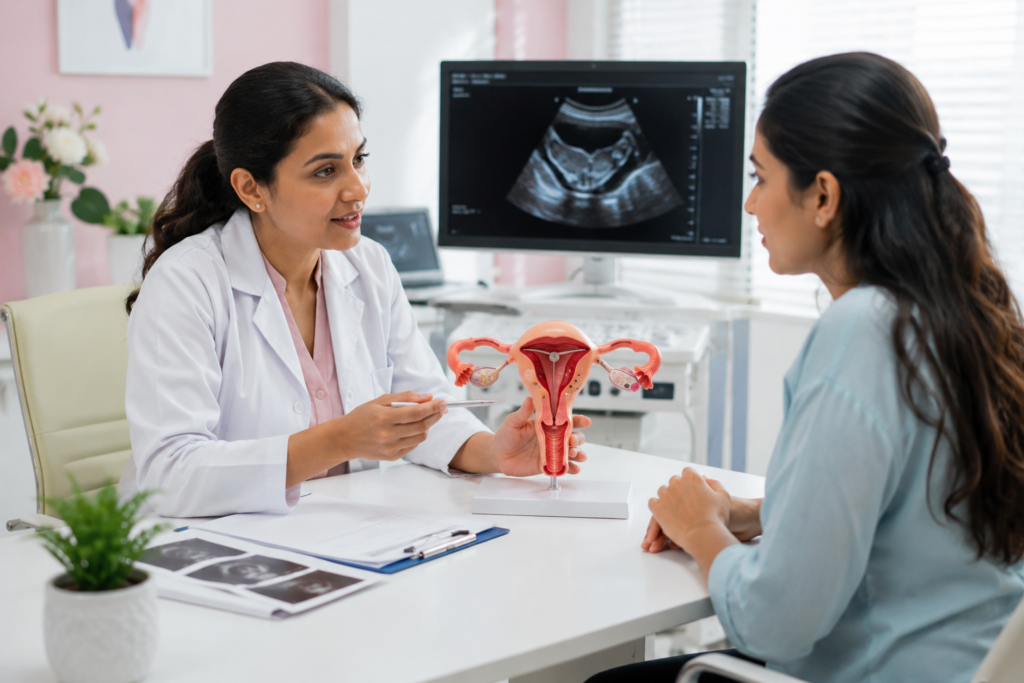
Female infertility refers to the inability to achieve pregnancy after a specific period of regular, unprotected sexual intercourse.
Generally:
- Women under 35 years of age are advised to seek evaluation after 12 months of trying to conceive.
- Women aged 35 years or older are usually advised to consult a healthcare professional after 6 months of unsuccessful attempts.
Understanding the Common Causes of Female Infertility helps identify potential reproductive health problems that may affect conception.
How Pregnancy Normally Occurs
To understand infertility, it is helpful to know how pregnancy normally happens.
Successful conception requires several important steps:
- An ovary releases a healthy egg (ovulation).
- The egg travels through the fallopian tube.
- Healthy sperm reaches the egg.
- Fertilization occurs.
- The fertilized egg travels to the uterus.
- The embryo implants successfully into the uterine lining.
A problem affecting any of these stages may contribute to the Common Causes of Female Infertility.
Signs and Symptoms of Female Infertility
Some women experience no obvious symptoms other than difficulty becoming pregnant.
Others may notice changes related to hormonal or reproductive health.
Possible signs include:
- Difficulty conceiving
- Irregular menstrual cycles
- Missed periods
- Heavy menstrual bleeding
- Very painful periods
- Pelvic pain
- Hormonal changes
- Recurrent pregnancy loss
If these symptoms persist, medical evaluation can help identify the Common Causes of Female Infertility.
Common Causes of Female Infertility
Many medical conditions can interfere with normal fertility.
Below are some of the most common causes.
Ovulation Disorders
Ovulation disorders are among the leading Common Causes of Female Infertility.
Ovulation occurs when an ovary releases a mature egg during the menstrual cycle.
If ovulation does not occur regularly, pregnancy becomes less likely.
Signs of ovulation disorders may include:
- Irregular periods
- Missed periods
- Unpredictable menstrual cycles
- Difficulty becoming pregnant
Hormonal evaluation often helps determine the underlying cause.
Polycystic Ovary Syndrome (PCOS)
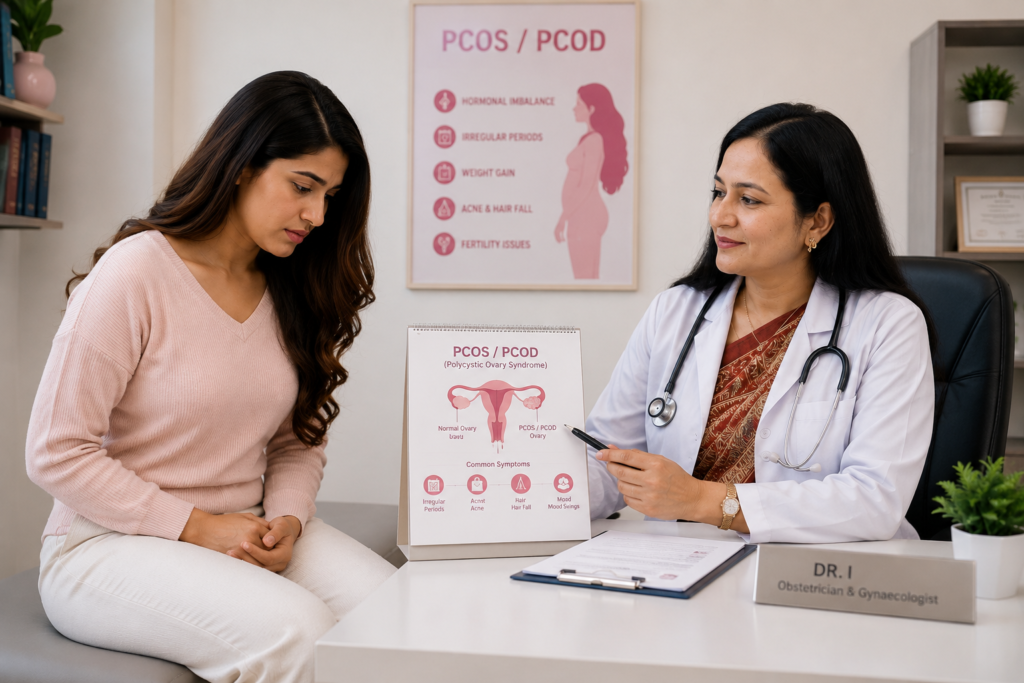
Polycystic Ovary Syndrome (PCOS) is one of the most frequent Common Causes of Female Infertility.
PCOS affects hormone production and may interfere with regular ovulation.
Common symptoms include:
- Irregular menstrual cycles
- Excess facial or body hair
- Acne
- Weight gain
- Difficulty conceiving
- Multiple small ovarian follicles visible on ultrasound
Although PCOS can affect fertility, many women successfully conceive with appropriate medical treatment and lifestyle changes.
Thyroid Disorders
The thyroid gland plays an important role in regulating reproductive hormones.
Both hypothyroidism (underactive thyroid) and hyperthyroidism (overactive thyroid) may affect:
- Ovulation
- Menstrual cycles
- Hormone balance
- Fertility
Proper treatment of thyroid conditions often improves reproductive health.
Premature Ovarian Insufficiency (POI)
Premature Ovarian Insufficiency occurs when ovarian function declines before the age of 40.
Unlike natural menopause, some ovarian activity may still occur.
Symptoms may include:
- Irregular periods
- Missed periods
- Hot flashes
- Night sweats
- Vaginal dryness
- Difficulty becoming pregnant
POI is considered one of the less common but important Common Causes of Female Infertility.
Hormonal Imbalances
Several hormones work together to regulate ovulation and fertility.
Hormonal imbalance may involve:
- Estrogen
- Progesterone
- Follicle-Stimulating Hormone (FSH)
- Luteinizing Hormone (LH)
- Prolactin
Abnormal hormone levels may interfere with ovulation and reduce fertility.
Unexplained Infertility
In some cases, all fertility investigations appear normal, yet pregnancy does not occur.
This condition is known as unexplained infertility.
Although no obvious medical cause is identified, treatment options may still improve pregnancy outcomes.
Risk Factors That May Affect Female Fertility
Certain factors increase the likelihood of developing fertility problems.
These include:
Increasing Age
Female fertility gradually declines with age, particularly after 35 years.
Both egg quantity and egg quality decrease over time.
Smoking
Smoking may negatively affect:
- Egg quality
- Ovarian function
- Hormonal balance
- Pregnancy outcomes
Avoiding tobacco supports reproductive health.
Excessive Alcohol Consumption
Heavy alcohol intake may influence fertility and overall reproductive health.
Limiting alcohol is generally recommended for women trying to conceive.
Obesity
Being overweight may contribute to:
- Hormonal imbalance
- Irregular ovulation
- Insulin resistance
- PCOS-related fertility problems
Maintaining a healthy weight may improve fertility.
Underweight
Very low body weight may also disrupt hormone production and ovulation.
Proper nutrition supports normal reproductive function.
Chronic Stress
Long-term stress may influence hormonal regulation and menstrual cycles.
Although stress alone is rarely the sole cause, it may contribute to the Common Causes of Female Infertility when combined with other medical conditions.
Why Early Diagnosis Is Important
Many fertility conditions can be successfully managed when identified early.
Seeking medical advice promptly allows healthcare professionals to:
- Identify underlying reproductive problems
- Perform appropriate fertility testing
- Recommend suitable treatments
- Improve the chances of conception
- Prevent complications associated with untreated reproductive disorders
Understanding the Common Causes of Female Infertility and recognizing early symptoms empowers women to seek timely medical care, make informed reproductive decisions, and improve their overall fertility and reproductive health.
Common Causes of Female Infertility
While hormonal disorders are among the leading causes of infertility, several structural, age-related, and lifestyle factors can also affect a woman’s ability to conceive. Understanding the Common Causes of Female Infertility helps women recognize potential reproductive health concerns and seek timely medical evaluation.
Endometriosis
Endometriosis is one of the most common gynecological conditions associated with infertility.
It occurs when tissue similar to the uterine lining grows outside the uterus.
Common areas affected include:
- Ovaries
- Fallopian tubes
- Pelvic lining
- Surrounding pelvic organs
Symptoms may include:
- Severe menstrual pain
- Chronic pelvic pain
- Pain during intercourse
- Heavy menstrual bleeding
- Difficulty becoming pregnant
Endometriosis may interfere with ovulation, fertilization, implantation, or fallopian tube function, making it one of the important Common Causes of Female Infertility.
Blocked Fallopian Tubes
Healthy fallopian tubes are essential for fertilization because they allow the egg and sperm to meet.
Blocked or damaged tubes may prevent:
- Egg transport
- Fertilization
- Embryo movement toward the uterus
Possible causes include:
- Previous pelvic infections
- Endometriosis
- Previous abdominal surgery
- Pelvic inflammatory disease
Blocked fallopian tubes are among the major Common Causes of Female Infertility.
Uterine Fibroids
Fibroids are non-cancerous growths that develop within or around the uterus.
Many women with fibroids have no symptoms, while others experience:
- Heavy menstrual bleeding
- Pelvic pressure
- Frequent urination
- Pain during menstruation
Depending on their size and location, fibroids may interfere with implantation or pregnancy, contributing to the Common Causes of Female Infertility.
Pelvic Inflammatory Disease (PID)
Pelvic Inflammatory Disease is an infection affecting the female reproductive organs.
If left untreated, PID may cause:
- Scarring of the fallopian tubes
- Chronic pelvic pain
- Increased risk of ectopic pregnancy
- Fertility problems
Early diagnosis and treatment help reduce long-term reproductive complications.
Age-Related Fertility Decline
Age is one of the most significant factors influencing female fertility.
Women are born with a limited number of eggs, and both the quantity and quality decline naturally over time.
After the age of 35:
- Egg quality gradually decreases.
- Ovulation becomes less predictable.
- Pregnancy rates decline.
- Miscarriage risk increases.
Age-related changes are considered one of the natural Common Causes of Female Infertility.
Lifestyle Factors
Daily habits can significantly influence reproductive health.
Lifestyle factors associated with reduced fertility include:
- Smoking
- Excessive alcohol consumption
- Poor nutrition
- Obesity
- Being underweight
- Physical inactivity
- Chronic stress
- Poor sleep habits
Adopting healthier lifestyle choices may improve fertility in many women.
Autoimmune Disorders
Certain autoimmune conditions may affect fertility by interfering with normal reproductive function.
Examples include:
- Autoimmune thyroid disease
- Lupus
- Rheumatoid arthritis
Proper medical management may improve reproductive outcomes.
Chronic Medical Conditions
Some long-term health conditions can influence fertility.
Examples include:
- Diabetes
- Kidney disease
- Liver disease
- Severe hormonal disorders
Managing these conditions under medical supervision supports reproductive health.
Previous Pelvic Surgery
Certain abdominal or pelvic surgeries may result in scar tissue (adhesions) that affects fertility.
Examples include surgery involving:
- Ovaries
- Fallopian tubes
- Uterus
- Appendix
Not all surgeries affect fertility, but evaluation may be recommended if pregnancy does not occur.
How Female Infertility Is Diagnosed
Accurate diagnosis is essential for identifying the Common Causes of Female Infertility and developing an effective treatment plan.
The evaluation usually begins with a detailed medical history and physical examination.
Healthcare providers may ask about:
- Menstrual history
- Previous pregnancies
- Medical conditions
- Family history
- Lifestyle habits
- Previous surgeries
- Current medications
Fertility Tests
Several investigations may help identify the underlying cause of infertility.
Blood Tests
Blood tests evaluate hormone levels such as:
- Follicle-Stimulating Hormone (FSH)
- Luteinizing Hormone (LH)
- Estrogen
- Progesterone
- Thyroid hormones
- Prolactin
These tests help assess ovulation and hormonal balance.
Pelvic Ultrasound
Ultrasound helps examine:
- Ovaries
- Uterus
- Endometrial lining
- Presence of ovarian cysts
- Fibroids
- Signs of PCOS
It provides valuable information about reproductive anatomy.
Ovulation Assessment
Ovulation may be evaluated using:
- Ovulation predictor kits
- Blood hormone tests
- Ultrasound monitoring
- Basal body temperature tracking
Hysterosalpingography (HSG)
An HSG is an imaging test used to evaluate:
- Fallopian tube patency
- Uterine cavity
This test is commonly performed when blocked fallopian tubes are suspected.
Laparoscopy
In selected cases, minimally invasive surgery may be recommended to diagnose conditions such as:
- Endometriosis
- Pelvic adhesions
- Tubal abnormalities
Laparoscopy provides direct visualization of the pelvic organs.
Treatment Options for Female Infertility
Treatment depends on the underlying cause, age, medical history, and reproductive goals.
Common treatment options include:
Lifestyle Modifications
Healthy lifestyle changes may improve fertility by:
- Maintaining a healthy weight
- Eating a balanced diet
- Exercising regularly
- Managing stress
- Avoiding smoking
- Limiting alcohol consumption
Lifestyle improvements support overall reproductive health.
Medications
Certain medications help stimulate ovulation or correct hormonal imbalances.
Treatment is individualized based on the identified cause.
Surgical Treatment
Surgery may be recommended to treat:
- Endometriosis
- Fibroids
- Blocked fallopian tubes
- Uterine abnormalities
Correcting structural problems may improve fertility.
Assisted Reproductive Technologies (ART)
Some couples may benefit from fertility treatments such as:
- Intrauterine Insemination (IUI)
- In Vitro Fertilization (IVF)
- Intracytoplasmic Sperm Injection (ICSI)
These treatments are recommended based on individual fertility evaluations.
Importance of Individualized Care
Every woman’s reproductive health is unique.
The Common Causes of Female Infertility vary from person to person, and successful treatment depends on identifying the underlying cause through comprehensive medical evaluation. Early diagnosis, personalized treatment planning, healthy lifestyle choices, and regular follow-up with a qualified fertility specialist can significantly improve the chances of achieving a healthy pregnancy and supporting long-term reproductive well-being.
Prevention Tips to Support Fertility
Although not every cause of infertility can be prevented, adopting healthy lifestyle habits may reduce certain risk factors and improve reproductive health. Understanding the Common Causes of Female Infertility also helps women make informed decisions that support fertility throughout their reproductive years.
Maintain a Healthy Body Weight
Both obesity and being underweight can affect hormone production and ovulation.
Maintaining a healthy weight through balanced nutrition and regular physical activity helps support:
- Regular menstrual cycles
- Hormonal balance
- Healthy ovulation
- Reproductive function
Eat a Nutritious Diet
A well-balanced diet supports overall reproductive health.
Include foods rich in:
- Fruits
- Vegetables
- Whole grains
- Lean protein
- Healthy fats
- Iron
- Folic acid
- Calcium
Good nutrition may improve fertility and overall well-being.
Exercise Regularly
Moderate physical activity supports hormonal balance and overall health.
However, excessive exercise without adequate nutrition may negatively affect ovulation.
Maintaining balance is important for reproductive health.
Avoid Smoking and Excessive Alcohol
Smoking and excessive alcohol consumption may reduce fertility by affecting:
- Egg quality
- Hormonal function
- Ovarian reserve
- Pregnancy outcomes
Avoiding these habits supports long-term reproductive health.
Manage Stress
Long-term stress may influence hormone regulation and menstrual cycles.
Healthy stress-management techniques include:
- Meditation
- Yoga
- Deep breathing
- Regular exercise
- Adequate sleep
- Relaxation activities
Managing stress supports both emotional and physical health.
Schedule Regular Gynecological Checkups
Routine medical examinations help detect reproductive health conditions early.
Regular checkups allow healthcare providers to identify the Common Causes of Female Infertility before complications develop.
Lifestyle Changes That Support Fertility
Small daily habits can positively influence reproductive health.
Helpful lifestyle changes include:
- Maintaining a healthy weight
- Following a balanced diet
- Staying physically active
- Sleeping 7–9 hours per night
- Drinking adequate water
- Managing chronic medical conditions
- Avoiding tobacco products
- Limiting alcohol intake
- Following medical advice for hormonal disorders
Healthy habits contribute to overall reproductive wellness.
Common Myths About Female Infertility
Many misconceptions create unnecessary fear and confusion.
Myth 1: Infertility Is Always the Woman’s Fault
Fact: Infertility can result from female factors, male factors, both partners, or sometimes no identifiable cause. A comprehensive evaluation of both partners is important.
Myth 2: Regular Menstrual Cycles Guarantee Fertility
Fact: Although regular periods often indicate ovulation, some women with regular cycles may still experience fertility problems.
Myth 3: Only Older Women Experience Infertility
Fact: While fertility naturally declines with age, younger women may also experience the Common Causes of Female Infertility due to hormonal disorders, structural abnormalities, or medical conditions.
Myth 4: Stress Alone Causes Infertility
Fact: Stress may influence hormonal balance, but infertility is usually caused by multiple medical or biological factors rather than stress alone.
Myth 5: Pregnancy Will Always Occur Naturally Eventually
Fact: Some fertility conditions require medical diagnosis and treatment. Early evaluation often improves treatment success.
Frequently Asked Questions
What is female infertility?
Female infertility refers to difficulty becoming pregnant after a period of regular, unprotected intercourse due to factors affecting ovulation, fertilization, or implantation.
What are the most common causes of female infertility?
Some of the Common Causes of Female Infertility include:
- Ovulation disorders
- PCOS
- Endometriosis
- Blocked fallopian tubes
- Uterine fibroids
- Thyroid disorders
- Premature ovarian insufficiency
- Age-related fertility decline
At what age does female fertility begin to decline?
Although fertility gradually decreases over time, the decline becomes more noticeable after the age of 35.
Can PCOS cause infertility?
Yes. PCOS may interfere with regular ovulation, making it one of the leading Common Causes of Female Infertility. However, many women with PCOS successfully conceive with appropriate treatment.
Can infertility be treated?
Yes. Many fertility conditions can be managed with lifestyle changes, medications, surgery, or assisted reproductive technologies depending on the underlying cause.
When should I see a fertility specialist?
Women under 35 should generally seek evaluation after 12 months of unsuccessful attempts to conceive.
Women aged 35 or older should usually consult a healthcare professional after 6 months.
Does maintaining a healthy lifestyle improve fertility?
Yes. Healthy nutrition, regular exercise, maintaining a healthy body weight, avoiding smoking, limiting alcohol, and managing stress all support reproductive health.
Is infertility always permanent?
No. Many women successfully become pregnant after receiving appropriate medical treatment for the Common Causes of Female Infertility.
Final Thoughts
Female infertility can result from a variety of hormonal, structural, medical, and lifestyle-related factors. Understanding these causes empowers women to recognize symptoms early, seek timely medical care, and explore appropriate treatment options. Advances in reproductive medicine continue to improve fertility outcomes for many women facing conception difficulties.
Learning about the Common Causes of Female Infertility not only supports informed healthcare decisions but also encourages proactive management of reproductive health throughout every stage of life.
Conclusion
Female infertility is a complex condition that may result from hormonal imbalances, ovulation disorders, endometriosis, blocked fallopian tubes, uterine abnormalities, age-related changes, lifestyle factors, or chronic medical conditions. Understanding the Common Causes of Female Infertility is essential for recognizing early symptoms, obtaining an accurate diagnosis, and beginning appropriate treatment without unnecessary delays.
Early medical evaluation plays a vital role in identifying the underlying cause and improving the chances of successful conception. With advances in fertility testing, medications, minimally invasive surgery, and assisted reproductive technologies, many women are able to achieve healthy pregnancies after receiving individualized care.
Maintaining a healthy lifestyle, attending regular gynecological checkups, and seeking professional guidance when pregnancy does not occur as expected can significantly support reproductive health. By understanding the Common Causes of Female Infertility, women can take proactive steps toward protecting their fertility, making informed healthcare decisions, and improving their overall well-being.
Contact Information

Dr. Jasleen Kaur Malhotra
Gynaecologist, Obstetrician & Infertility Specialist
📍 Address: Clinic No. 56A, Behind Main Market, Sector 6, Dwarka, New Delhi – 110075
📞 Phone: +91-99105-52246
🌐 Website: gynaefemmewellnessdwarka.com