

Choosing the right gynaecologist is an important decision for women at every stage of life. From menstrual problems and PCOS to pregnancy planning, fertility concerns, pelvic pain, infections, menopause, and preventive healthcare, professional guidance can make it easier to understand changes in your body and choose appropriate care. For women searching for the Best Gynaecologist in Dwarka Sector 6, the challenge is usually not finding a clinic but deciding which specialist is genuinely suitable for their needs.
This guide explains what to look for when selecting the Best Gynaecologist in Dwarka Sector 6, common reasons to consult a gynaecologist, what to expect during an appointment, how to prepare, and which questions can help you make an informed decision.
Table of Contents
Why Choosing the Best Gynaecologist in Dwarka Sector 6 Matters
Women’s health concerns can have multiple possible causes. Heavy menstrual bleeding, for example, can occur with fibroids, endometriosis, adenomyosis, hormonal problems, or bleeding disorders. Heavy bleeding can also contribute to iron deficiency and may interfere with work, education, exercise, sleep, and everyday activities. WHO notes that heavy menstrual bleeding and severe menstrual symptoms can have a meaningful impact on quality of life.
This is why choosing the Best Gynaecologist in Dwarka Sector 6 should involve more than looking at an online rating. The right specialist should consider your symptoms, age, medical history, medications, reproductive goals, previous treatment, and other relevant factors before recommending a plan.
What Does a Gynaecologist Treat?
A gynaecologist specializes in women’s reproductive health and many conditions affecting the female reproductive system. Services vary between doctors, so it is helpful to check whether a particular specialist regularly manages the concern you are experiencing.
Common areas of gynaecological care include:
- Irregular menstrual cycles
- Heavy menstrual bleeding
- Severe or painful periods
- PCOS-related concerns
- Endometriosis
- Fibroids
- Ovarian cysts
- Pelvic pain
- Vaginal infections
- Abnormal vaginal discharge
- Contraception and family planning
- Preconception counselling
- Pregnancy-related care
- Fertility evaluation
- Menopause-related symptoms
- Cervical health
- Preventive screening
- Postpartum concerns
The Best Gynaecologist in Dwarka Sector 6 should provide individualized care rather than assuming that every woman with a particular symptom requires the same treatment.

1. Check Qualifications and Professional Experience
Professional qualifications are among the first factors to evaluate when choosing the Best Gynaecologist in Dwarka Sector 6. Look for appropriate medical education, postgraduate specialization in obstetrics and gynaecology, and valid professional registration.
However, qualifications are only the foundation. Relevant clinical experience also matters. Different doctors may have greater experience in different areas, such as pregnancy care, fertility, menstrual disorders, minimally invasive procedures, PCOS, menopause, or complex pelvic pain.
Match Experience With Your Concern
Start by identifying the reason for your appointment.
If you have severe period pain, you may want a specialist who regularly evaluates conditions such as endometriosis, adenomyosis, fibroids, or pelvic inflammatory disease. WHO identifies severe menstrual pain and chronic pelvic pain among symptoms that can occur with endometriosis.
2. Use Online Reviews Carefully
Online reviews can help you shortlist a Best Gynaecologist in Dwarka Sector 6, but they should not be the only deciding factor.
Look for consistent patterns in patient feedback. Do people mention that the doctor listens carefully? Are explanations easy to understand? Do patients feel respected? Are follow-up instructions clear? Does the clinic appear organized?
The number and recency of reviews can also provide context. A large collection of recent reviews may be more useful than a few comments written several years ago.
3. Prioritize Communication and Privacy
Gynaecological consultations can involve personal subjects such as menstrual history, contraception, sexual health, fertility, pregnancy history, vaginal symptoms, and previous procedures.
A good Best Gynaecologist in Dwarka Sector 6 should create a respectful environment where patients can discuss these concerns openly.
During your first appointment, consider whether the doctor:
- Allows you to explain your symptoms properly
- Asks relevant questions
- Listens without dismissing your concerns
- Explains possible causes
- Explains why investigations are needed
- Discusses available treatment options
- Explains important precautions
- Provides clear follow-up instructions
You should also feel comfortable asking questions.
4. Understand Your Menstrual Health
Your menstrual cycle can provide valuable information about reproductive health. Tracking periods can help you identify changes and give your doctor a clearer picture of your symptoms.
Menstrual experiences vary significantly between individuals. WHO’s current menstrual health information notes that pain and heavy bleeding are common concerns, but symptoms that are severe, unpredictable, or disruptive to normal activities can sometimes indicate an underlying health condition and deserve professional evaluation.
When Should You Consult a Gynaecologist?
Consider booking an appointment with the Best Gynaecologist in Dwarka Sector 6 if your periods become significantly different from your usual pattern.
You should pay particular attention to:
- Periods that suddenly become much heavier
- Bleeding that lasts unusually long
- Severe or worsening period pain
- Periods that become consistently irregular
- Bleeding between periods
- Bleeding after sexual intercourse
- Symptoms that interfere with everyday activities
5. Do Not Ignore Persistent Pelvic Pain
Pelvic pain can have many causes. It may be associated with menstruation, the reproductive organs, urinary system, digestive system, or other medical conditions.
During a consultation, the Best Gynaecologist in Dwarka Sector 6 may ask where the pain occurs, when it starts, how long it lasts, whether it follows your menstrual cycle, and whether it occurs during intercourse, urination, or bowel movements.
Depending on your symptoms, examination, medical history, and clinical findings, the doctor may recommend blood tests, ultrasound, or other investigations.
6. Consider Pregnancy and Preconception Care
Women planning a family may benefit from speaking with a Best Gynaecologist in Dwarka Sector 6 before trying to conceive.
Preconception counselling can provide an opportunity to review existing health conditions, medications, previous pregnancies, menstrual cycles, lifestyle factors, vaccination history, and other factors relevant to pregnancy.
This can be particularly useful for women who have PCOS, irregular periods, previous pregnancy complications, thyroid problems, diabetes, high blood pressure, or other health concerns.
7. Ask About Fertility Evaluation
Difficulty conceiving can be emotionally challenging. Online information can be useful for general education, but it cannot replace a personalized medical assessment.
A Best Gynaecologist in Dwarka Sector 6 can begin a fertility evaluation by discussing menstrual cycles, ovulation patterns, previous pregnancies, medical conditions, medications, lifestyle factors, and relevant reproductive history.
Fertility difficulties can have different causes and may involve either partner or both. A balanced evaluation is therefore important.
8. Pay Attention to Abnormal Vaginal Bleeding
Bleeding between periods or after sexual intercourse should not automatically be ignored, particularly if it is new, recurrent, or associated with other symptoms.
There are several possible causes, including hormonal changes, contraception, infections, pregnancy-related problems, and cervical or other gynaecological conditions.
A Best Gynaecologist in Dwarka Sector 6 can assess your history and determine whether examination or further testing is appropriate.
WHO guidance on lower abdominal pain highlights missed or overdue periods and abnormal vaginal bleeding among situations where gynaecological or surgical assessment may be appropriate, depending on the overall clinical picture.
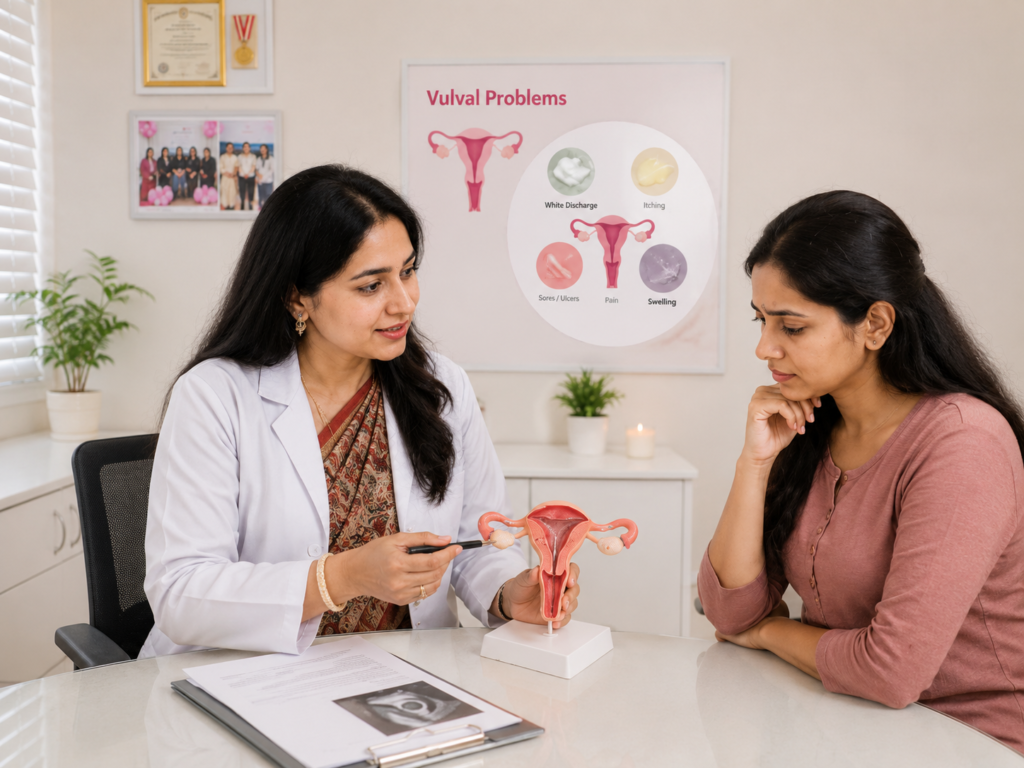
9. Consider Preventive Women’s Healthcare
Depending on age, personal risk, previous test results, and local healthcare recommendations, preventive discussions may include contraception, reproductive planning, cervical cancer screening, menopause, and other health concerns.
Cervical cancer screening is particularly important because screening can detect cervical changes before they progress. WHO’s 2026 guidance states that HPV testing is the preferred primary screening method for cervical cancer prevention, while implementation needs to be adapted to the healthcare setting and population.
The Best Gynaecologist in Dwarka Sector 6 can help you understand which screening approach is appropriate for your circumstances.
What to Expect During Your First Consultation
Knowing what happens during an appointment can reduce anxiety, particularly if this is your first gynaecological consultation.
The appointment will generally begin with a discussion of your symptoms and medical history. The Best Gynaecologist in Dwarka Sector 6 may ask about:
- Date of your last period
- Menstrual cycle pattern
- Bleeding duration and intensity
- Period pain
- Pregnancy history
- Current medicines
- Allergies
- Previous surgeries
- Existing medical conditions
- Contraception
- Fertility concerns
- Family medical history
A physical or pelvic examination may be recommended depending on your symptoms and clinical assessment. Not every consultation requires an internal examination.
How to Prepare for Your Appointment
Good preparation can make a consultation more productive.
Track Your Symptoms
Write down when your symptoms started, how frequently they occur, and whether they are getting better or worse.
For menstrual concerns, record the first day of your period, duration, approximate bleeding intensity, pain, and any unusual symptoms.
This information can help your doctor recognize patterns that may not be obvious during a single appointment.
Bring Previous Medical Reports
Take previous ultrasound reports, blood tests, prescriptions, discharge summaries, and relevant medical records.
If you have previously taken medicines or received treatment, tell the doctor what you used, how long you used it, and whether it helped.
Prepare Questions
Before visiting the Best Gynaecologist in Dwarka Sector 6, write down your most important questions.
Useful questions include:
- What could be causing my symptoms?
- Do I need any tests?
- Why is each test recommended?
- What treatment options are available?
- Are there alternatives?
- What side effects or precautions should I know about?
- When should I return for follow-up?
- Which symptoms require urgent attention?
Taking notes during the appointment can also help you remember important instructions.
How to Compare Clinics in Dwarka Sector 6
When comparing options for the Best Gynaecologist in Dwarka Sector 6, consider the overall patient experience as well as medical expertise.
Location and Accessibility
A conveniently located clinic can make follow-up easier. Consider travel time, parking, public transport, and consultation timings.
Diagnostic Support
Ask whether ultrasound, laboratory testing, or other diagnostic services are available at the clinic or nearby.
Easy access to investigations can be useful when multiple tests are needed.
Hospital Support
If you may require a procedure, surgery, pregnancy care, or hospital admission, understand where the doctor provides hospital-based services.
Follow-Up Arrangements
Ask how follow-up appointments are scheduled and what you should do if symptoms change after treatment.
Continuity of care can be especially valuable for recurring or long-term concerns because the doctor can monitor your response over time.
Treatment Should Be Personalized
There is no single treatment that is appropriate for every woman with the same symptom.
For example, management of heavy menstrual bleeding depends on its cause, severity, age, medical history, pregnancy plans, and personal preferences. Treatment may involve medicines, hormonal options, monitoring, or procedures when appropriate.
Similarly, the treatment approach for pelvic pain depends on the underlying cause rather than simply the location of the pain.
A good Best Gynaecologist in Dwarka Sector 6 should explain why a particular treatment is recommended and discuss relevant alternatives where appropriate.
If a procedure is suggested, ask about its purpose, expected benefits, possible risks, recovery time, alternatives, and follow-up requirements.
Warning Signs That Need Prompt Medical Attention
Routine appointments are appropriate for many women’s health concerns, but certain symptoms require quicker evaluation.
Seek urgent medical attention for severe or rapidly worsening pelvic pain, significant vaginal bleeding, fainting, severe weakness, or concerning symptoms during a possible pregnancy.
WHO guidance recommends appropriate gynaecological or surgical assessment for women with lower abdominal pain in situations such as a missed or overdue period, recent pregnancy-related events, abnormal bleeding beyond spotting, abdominal guarding, or a suspected pelvic mass.
Do not wait for a routine appointment if you believe you are experiencing a medical emergency.

Frequently Asked Questions
How do I choose the Best Gynaecologist in Dwarka Sector 6?
Compare professional qualifications, relevant clinical experience, communication style, services, clinic accessibility, diagnostic facilities, hospital support, and follow-up arrangements. Online reviews can help you create a shortlist but should not be your only deciding factor.
When should I visit the Best Gynaecologist in Dwarka Sector 6?
Consider an appointment for persistent menstrual changes, heavy bleeding, severe period pain, pelvic pain, abnormal discharge, fertility concerns, pregnancy planning, contraception questions, menopause symptoms, or other reproductive health concerns.
Are irregular periods always a sign of a medical problem?
No. Menstrual cycles can vary because of hormonal changes, stress, contraception, pregnancy, changes in weight, PCOS, thyroid problems, puberty, or menopause. However, a persistent or significant change from your usual pattern deserves medical discussion.
When are heavy periods concerning?
Heavy bleeding can be concerning when it significantly disrupts daily life, lasts unusually long, involves very frequent changes of menstrual products, or is associated with large clots or symptoms such as tiredness and weakness. WHO notes that heavy menstrual bleeding can contribute to iron deficiency and affect quality of life.
Is severe period pain normal?
Some menstrual discomfort is common, but severe or worsening pain that interferes with everyday activities should be evaluated. Endometriosis is one condition associated with severe menstrual pain and chronic pelvic pain.
What should I bring to my first appointment?
Bring previous medical reports, prescriptions, medication details, allergy information, menstrual records, and a list of questions. Tracking your symptoms before the appointment can also help the doctor understand your situation.
Does every gynaecology consultation require an internal examination?
No. The need for examination depends on your symptoms, medical history, age, and clinical assessment. If an examination is recommended, you can ask the doctor to explain its purpose and what it involves.
Can a Best Gynaecologist in Dwarka Sector 6 help with fertility concerns?
Yes. A gynaecologist can assess menstrual and reproductive health and begin an appropriate fertility evaluation. If specialized treatment is needed, referral to a fertility or reproductive medicine specialist may be recommended.
Is cervical cancer screening important?
Yes. Cervical cancer screening is an important preventive measure. WHO’s current guidance recommends HPV testing as the preferred primary screening method for cervical cancer prevention, with implementation adapted to local healthcare systems and individual circumstances.
Can I change my gynaecologist if I am uncomfortable?
Yes. You should feel respected and comfortable discussing personal healthcare concerns. If communication is consistently poor or your concerns are not being addressed, seeking another qualified professional is reasonable.
Conclusion
Choosing the Best Gynaecologist in Dwarka Sector 6 is an important step toward better women’s healthcare. The right doctor should not be selected solely because of online ratings, advertising, or proximity. Qualifications, relevant clinical experience, communication, diagnostic support, accessibility, hospital facilities, and follow-up care all deserve careful consideration.
Whether you are experiencing irregular periods, heavy bleeding, painful periods, pelvic pain, PCOS-related concerns, fertility difficulties, pregnancy planning needs, abnormal vaginal bleeding, menopause symptoms, or preventive healthcare questions, professional assessment can help you understand your options.
Before your appointment, track your symptoms, collect previous medical records, and prepare a list of questions. During the consultation, provide accurate information about your health history and ask for clarification whenever something is unclear.
Most importantly, do not ignore symptoms that are severe, persistent, or significantly different from your normal pattern. A qualified Best Gynaecologist in Dwarka Sector 6 can provide individualized assessment and guide you toward appropriate testing, treatment, preventive care, or specialist referral when needed.
Contact Information

Dr. Jasleen Kaur Malhotra
Gynaecologist, Obstetrician & Infertility Specialist
📍 Address: Clinic No. 56A, Behind Main Market, Sector 6, Dwarka, New Delhi – 110075
📞 Phone: +91-99105-52246
🌐 Website: gynaefemmewellnessdwarka.com