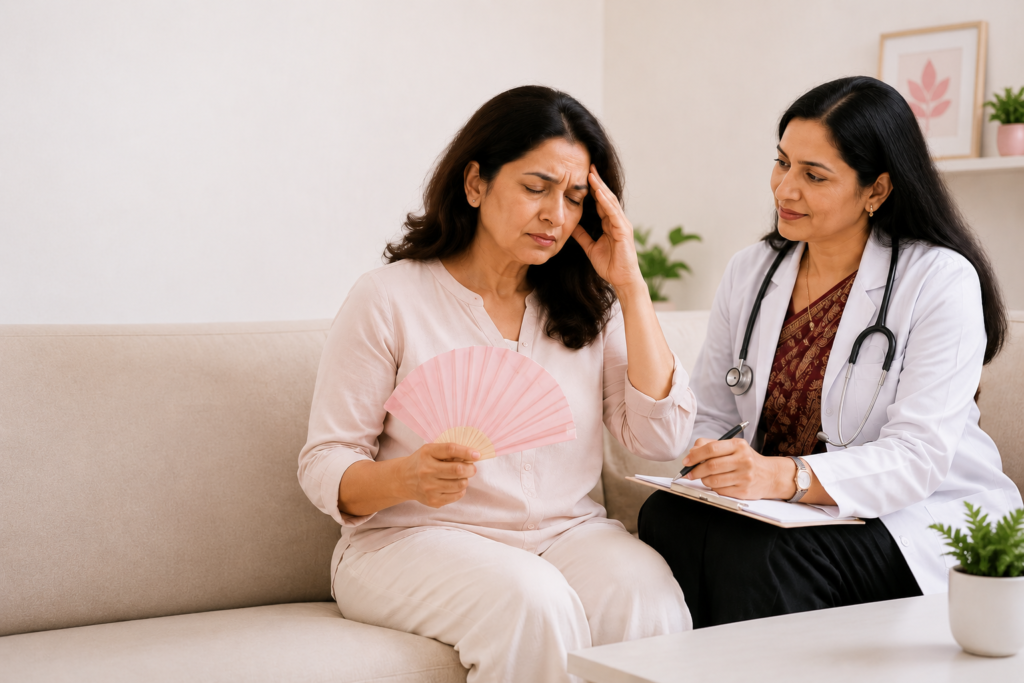
Menopause is a natural stage in a woman’s life that marks the end of her menstrual cycles and reproductive years. It is officially diagnosed after a woman has gone 12 consecutive months without a menstrual period, provided there is no other medical reason for the absence of menstruation. Although menopause is a normal biological process, the hormonal changes associated with it can cause a wide range of physical, emotional, and psychological symptoms. Understanding Menopause: Symptoms Causes & Treatment helps women prepare for this transition and seek appropriate medical care when necessary.
The transition to menopause does not happen overnight. It usually occurs gradually over several years through stages known as perimenopause, menopause, and postmenopause. During this time, levels of the hormones estrogen and progesterone decline, leading to symptoms such as hot flashes, night sweats, mood changes, sleep disturbances, vaginal dryness, and irregular menstrual cycles. Understanding Menopause: Symptoms, Causes & Treatment helps women recognize these changes early and understand that the severity of symptoms varies greatly from one woman to another.
Although menopause is a natural process, some women experience symptoms that significantly affect their quality of life. Professional medical guidance, healthy lifestyle habits, and appropriate treatment options can help manage symptoms effectively and reduce the risk of long-term health concerns such as osteoporosis and cardiovascular disease. Learning about Menopause: Symptoms, Causes & Treatment empowers women to make informed healthcare decisions, seek timely medical advice, and maintain their overall health and well-being during this important life transition.
Understanding Menopause: Symptoms Causes & Treatment also empowers women to recognize normal changes, identify symptoms that require medical evaluation, and make informed decisions about their health during midlife and beyond.
This comprehensive guide explains Menopause: Symptoms, Causes & Treatment, including the stages of menopause, common symptoms, causes, risk factors, diagnosis, treatment options, and practical strategies for maintaining overall health during this important life transition.
Table of Contents
What Is Menopause?
Menopause is the permanent end of menstrual periods resulting from the natural decline in ovarian function.
A woman is considered to have reached menopause after going 12 consecutive months without a menstrual period in the absence of other medical causes.
Professional understanding of Menopause: Symptoms Causes & Treatment helps women manage this natural transition with greater confidence and awareness.
Stages of Menopause
Menopause occurs in three distinct stages.
Perimenopause
Perimenopause is the transitional period before menopause and an important phase in understanding Menopause: Symptoms, Causes & Treatment.
During this stage:
- Hormone levels fluctuate
- Menstrual cycles become irregular
- Symptoms may begin to appear
Perimenopause may last several years before menopause occurs. During this time, women may experience early changes associated with Menopause: Symptoms, Causes & Treatment, making regular medical checkups and healthy lifestyle habits important for managing symptoms effectively.
Menopause
Menopause is confirmed after twelve consecutive months without menstruation and marks a significant stage in Menopause: Symptoms, Causes & Treatment.
During this stage:
- Estrogen production decreases significantly
- Ovulation stops
- Natural fertility ends
Hormonal changes continue to influence overall health, including bone strength, heart health, and emotional well-being. Understanding Menopause: Symptoms, Causes & Treatment helps women recognize these changes and seek appropriate medical guidance and lifestyle support when needed.
Postmenopause
Postmenopause refers to the years following menopause and is an important phase of Menopause: Symptoms, Causes & Treatment.
Although some symptoms gradually improve, reduced estrogen levels may increase the risk of:
- Osteoporosis
- Heart disease
- Vaginal dryness
- Urinary changes
Regular medical care remains important during this stage. Understanding Menopause: Symptoms, Causes &Treatment helps women focus on preventive healthcare, maintain bone and heart health, and manage any ongoing symptoms to support long-term well-being.
Why Menopause Happens
Menopause occurs because the ovaries gradually reduce the production of reproductive hormones.
The primary hormonal changes include declining levels of:
- Estrogen
- Progesterone
As hormone production decreases:
- Ovulation becomes less frequent
- Menstrual cycles become irregular
- Menstruation eventually stops completely
These hormonal changes explain many aspects of Menopause: Symptoms, Causes & Treatment.
Common Menopause Symptoms
Every woman experiences menopause differently.
Some women have mild symptoms, while others experience symptoms that significantly affect daily life.
Irregular Menstrual Periods
One of the earliest signs of menopause is a change in menstrual patterns.
Periods may become:
- Shorter
- Longer
- Lighter
- Heavier
- More frequent
- Less frequent
Irregular periods commonly occur during perimenopause.
Hot Flashes
Hot flashes are among the most common Menopause: Symptoms, Causes & Treatment discussions because they affect many women.
Hot flashes involve sudden feelings of warmth that may spread through the:
- Face
- Neck
- Chest
- Upper body
Episodes may last from a few seconds to several minutes.
Night Sweats
Night sweats are hot flashes that occur during sleep.
They may lead to:
- Sleep disruption
- Fatigue
- Difficulty concentrating
Persistent sleep disturbances should be discussed with a healthcare provider.
Sleep Problems
Hormonal changes may contribute to:
- Difficulty falling asleep
- Frequent nighttime awakening
- Poor sleep quality
- Early morning waking
Improving sleep habits often helps reduce fatigue.
Mood Changes
Some women experience emotional changes during menopause.
Possible symptoms include:
- Irritability
- Anxiety
- Mood swings
- Low mood
- Difficulty concentrating
Emotional well-being is an important aspect of Menopause: Symptoms, Causes & Treatment.
Vaginal Dryness
Reduced estrogen levels may cause vaginal tissues to become thinner and less lubricated.
This may lead to:
- Vaginal dryness
- Discomfort
- Pain during sexual intercourse
- Irritation
Several treatment options are available to improve comfort.
Reduced Libido
Hormonal changes may influence sexual desire in some women.
Factors contributing to reduced libido include:
- Vaginal discomfort
- Emotional stress
- Sleep disturbances
- Hormonal changes
Open discussions with healthcare providers may help identify appropriate management strategies.
Urinary Changes
Some women notice urinary symptoms during menopause.
Possible changes include:
- Increased urinary frequency
- Urinary urgency
- Recurrent urinary tract infections
- Mild urinary leakage
These symptoms should be evaluated if persistent.
Causes and Risk Factors
Natural menopause is a normal part of aging.
However, several factors influence when menopause occurs.
Natural Aging
The most common cause is the gradual decline in ovarian hormone production with age.
Surgical Menopause
Removal of both ovaries causes immediate menopause because estrogen production decreases abruptly.
Cancer Treatments
Certain chemotherapy drugs and radiation therapy involving the pelvic region may affect ovarian function and lead to menopause.
Family History
Genetics may influence the age at which menopause occurs.
Women often experience menopause around a similar age as close female relatives.
Smoking
Smoking may contribute to earlier menopause and increase the severity of some menopausal symptoms.
Maintaining a healthy lifestyle supports overall reproductive health.
When Does Menopause Usually Begin?
Most women naturally reach menopause between the ages of 45 and 55 years, although the exact timing varies among individuals.
Some women experience:
- Early menopause (before age 45)
- Premature menopause (before age 40)
Women experiencing menopause at an unusually early age should consult a healthcare professional for appropriate evaluation and management.
Understanding Menopause: Symptoms, Causes & Treatment allows women to recognize normal hormonal changes, identify symptoms that may require medical attention, and prepare for this important stage of life with greater confidence, knowledge, and proactive healthcare planning.
Diagnosis of Menopause
Diagnosing menopause usually begins with a detailed discussion of a woman’s medical history, menstrual pattern, symptoms, and overall health. In many cases, menopause can be identified based on age, symptoms, and the absence of menstrual periods for 12 consecutive months. Understanding Menopause: Symptoms, Causes & Treatment also includes knowing when medical evaluation is necessary to confirm the diagnosis or rule out other conditions.
A healthcare provider may recommend additional tests if menopause occurs earlier than expected or if symptoms suggest another medical condition.
Medical History and Physical Examination
The doctor may ask about:
- Menstrual history
- Hot flashes
- Sleep disturbances
- Mood changes
- Family history
- Medical conditions
- Current medications
A physical examination may also be performed based on individual symptoms.
Blood Tests
Although menopause is often diagnosed clinically, blood tests may sometimes help evaluate hormone levels.
Possible tests include:
- Follicle-Stimulating Hormone (FSH)
- Estrogen (Estradiol)
- Thyroid function tests (if symptoms overlap with thyroid disorders)
Testing is usually recommended only in selected situations.
Treatment Options
Treatment depends on:
- Severity of symptoms
- Age
- Overall health
- Medical history
- Personal preferences
Not every woman requires medical treatment. Many women successfully manage symptoms through lifestyle changes, while others benefit from medications or hormone therapy.
Understanding Menopause: Symptoms, Causes & Treatment helps women explore the most appropriate treatment options with their healthcare provider.
Diet and Nutrition During Menopause
Proper nutrition becomes increasingly important after menopause.
Women should ensure adequate intake of:
Calcium
Calcium supports healthy bones and reduces osteoporosis risk.
Sources include:
- Dairy products
- Fortified foods
- Leafy green vegetables
Vitamin D
Vitamin D helps the body absorb calcium.
Sources include:
- Sunlight exposure
- Fortified foods
- Supplements (when recommended)
Protein
Adequate protein helps maintain muscle mass as women age.
Good sources include:
- Fish
- Eggs
- Lean meat
- Beans
- Lentils
- Dairy products
Fiber
Fiber supports digestive health and may contribute to heart health.
Healthy sources include:
- Fruits
- Vegetables
- Whole grains
- Legumes
When Should You See a Doctor?
Although menopause is a natural process, some symptoms require professional medical evaluation.
Consult a healthcare provider if you experience:
- Heavy or prolonged bleeding
- Bleeding after menopause
- Severe hot flashes
- Persistent pelvic pain
- Significant mood changes
- Difficulty sleeping for extended periods
- Unexplained weight loss
- Symptoms affecting daily life
Understanding Menopause: Symptoms, Causes & Treatment allows women to recognize when symptoms are part of the normal menopausal transition and when they may require medical attention. Early diagnosis, individualized treatment, healthy lifestyle choices, and regular healthcare visits help women manage menopause more comfortably while protecting long-term bone health, heart health, and overall well-being.
Tips for Managing Menopause
Menopause is a natural phase of life, and many women successfully manage their symptoms through healthy lifestyle habits, regular medical care, and appropriate treatment when needed. Understanding Menopause: Symptoms, Causes & Treatment allows women to make informed decisions that support their physical and emotional well-being during this transition.
Stay Physically Active
Regular exercise offers numerous health benefits during menopause.
Physical activity helps:
- Reduce hot flashes
- Improve mood
- Maintain a healthy weight
- Strengthen bones
- Improve sleep quality
- Support heart health
Follow a Balanced Diet
Good nutrition plays an important role in managing menopausal symptoms.
A healthy diet should include:
- Calcium-rich foods
- Vitamin D
- Lean protein
- Whole grains
- Fresh fruits
- Vegetables
- Healthy fats
Balanced nutrition supports bone health, muscle strength, and overall wellness.
Stay Hydrated
Drinking adequate water may help reduce:
- Dry skin
- Fatigue
- Mild headaches
- General discomfort
Proper hydration also supports overall body function.
Prioritize Mental Health
Hormonal changes may affect emotional well-being.
Helpful strategies include:
- Meditation
- Deep breathing exercises
- Yoga
- Spending time with loved ones
- Practicing relaxation techniques
- Seeking counseling if needed
Managing emotional health is an important aspect of Menopause: Symptoms, Causes & Treatment.
Attend Regular Health Checkups
Routine medical visits help monitor overall health after menopause.
Regular screenings may include:
- Bone density testing
- Blood pressure monitoring
- Breast examinations
- Cervical screening
- Blood sugar testing
- Cholesterol evaluation
Preventive healthcare supports healthy aging.
Common Myths About Menopause
Several misconceptions create unnecessary anxiety about menopause.
Myth 1: Menopause Happens Suddenly
Fact: Menopause usually develops gradually through perimenopause over several years before menstrual periods stop completely.
Myth 2: Every Woman Experiences Severe Symptoms
Fact: Menopausal symptoms vary greatly. Some women experience only mild symptoms, while others may require medical treatment.
Myth 3: Menopause Means Poor Health
Fact: Menopause is a natural biological process, not a disease. Healthy lifestyle habits and regular healthcare allow many women to remain active and healthy.
Myth 4: Hormone Therapy Is Appropriate for Everyone
Fact: Hormone Replacement Therapy may benefit some women but is not suitable for everyone. Treatment decisions should always be individualized.
Myth 5: Nothing Can Be Done to Manage Symptoms
Fact: Many effective treatments and lifestyle strategies are available to manage Menopause: Symptoms, Causes & Treatment and improve quality of life.
Frequently Asked Questions
What is menopause?
Menopause is the permanent end of menstrual periods after twelve consecutive months without menstruation due to the natural decline in ovarian hormone production.
At what age does menopause usually occur?
Most women naturally experience menopause between 45 and 55 years of age, although individual variation is normal.
What are the most common menopausal symptoms?
Common Menopause: Symptoms, Causes & Treatment topics include:
- Hot flashes
- Night sweats
- Irregular periods
- Mood changes
- Sleep disturbances
- Vaginal dryness
- Reduced libido
- Urinary changes
Can menopause be treated?
Menopause itself is a natural stage of life and does not require treatment.
However, symptoms may be managed through:
- Lifestyle changes
- Hormone Replacement Therapy
- Non-hormonal medications
- Vaginal moisturizers
- Counseling
- Healthy nutrition
Is Hormone Replacement Therapy safe?
Hormone therapy may benefit many women, but it is not appropriate for everyone.
A healthcare provider evaluates the potential benefits and risks based on individual medical history.
Can menopause increase osteoporosis risk?
Yes.
Lower estrogen levels after menopause increase bone loss, making osteoporosis prevention an important part of long-term healthcare.
Should I see a doctor if I have bleeding after menopause?
Yes.
Any vaginal bleeding after menopause should always be evaluated by a healthcare professional.
Can healthy lifestyle habits reduce menopausal symptoms?
Yes.
Regular exercise, balanced nutrition, stress management, adequate sleep, and routine healthcare visits can significantly improve many menopausal symptoms and overall quality of life.
Final Thoughts
Menopause represents a natural transition rather than an illness. Although hormonal changes may cause physical and emotional symptoms, modern healthcare offers numerous effective strategies for symptom management and long-term health protection. Understanding Menopause: Symptoms, Causes & Treatment empowers women to recognize normal changes, seek medical care when necessary, and make informed lifestyle choices that support healthy aging.
With appropriate guidance, regular health screenings, balanced nutrition, physical activity, and emotional support, women can successfully navigate menopause while maintaining confidence, independence, and overall well-being.
Conclusion
Menopause is a natural stage in every woman’s life that marks the end of reproductive years. While declining estrogen levels can lead to symptoms such as hot flashes, irregular periods, sleep disturbances, mood changes, vaginal dryness, and urinary concerns, these changes can often be managed effectively with appropriate medical care and healthy lifestyle habits. Understanding Menopause: Symptoms, Causes & Treatment helps women recognize what to expect during this transition and seek timely medical guidance whenever symptoms affect their quality of life.
Regular health checkups, balanced nutrition, physical activity, stress management, and individualized treatment plans play an essential role in maintaining long-term bone health, cardiovascular health, and emotional well-being after menopause. Hormone Replacement Therapy and non-hormonal treatments may also provide significant symptom relief for women who require medical intervention.
By learning about Menopause: Symptoms, Causes & Treatment, staying proactive about preventive healthcare, and working closely with qualified healthcare professionals, women can confidently manage this important life transition while enjoying a healthy, active, and fulfilling future.
Contact Information

Dr. Jasleen Kaur Malhotra
Gynaecologist, Obstetrician & Infertility Specialist
📍 Address: Clinic No. 56A, Behind Main Market, Sector 6, Dwarka, New Delhi – 110075
📞 Phone: +91-99105-52246
🌐 Website: gynaefemmewellnessdwarka.com