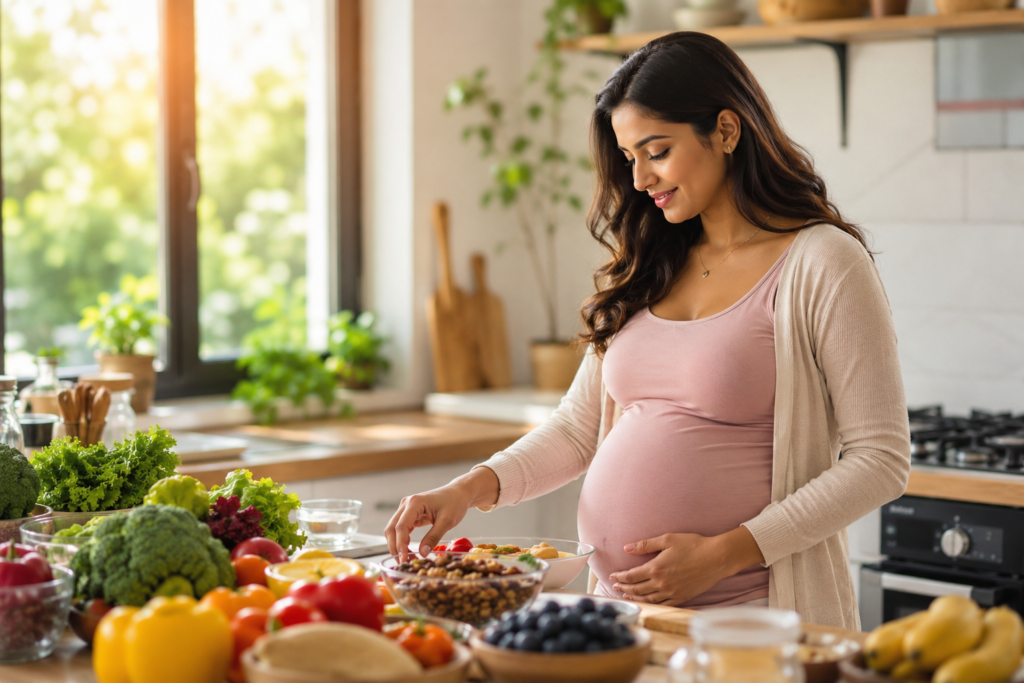
Pregnancy is a life-changing journey that brings excitement, anticipation, and many questions about health and nutrition. Among the most important concerns for expecting mothers is understanding which foods support a healthy pregnancy and which ones may pose risks. While eating a balanced diet helps provide essential nutrients for both mother and baby, certain foods can increase the chances of foodborne illnesses, infections, or exposure to substances that may affect fetal development.
Many women receive conflicting advice from friends, family members, social media, and online sources. This often creates confusion about what is truly safe to eat. Some foods that are generally considered healthy for most people may not be recommended during pregnancy because of the potential presence of harmful bacteria, parasites, or excessive amounts of certain nutrients.
Learning about Foods to Avoid During Pregnancy is not about creating fear around eating. Instead, it helps expecting mothers make informed decisions that support their well-being and their baby’s growth. Small dietary adjustments can significantly reduce health risks and contribute to a safer pregnancy experience.
Food safety becomes especially important because pregnancy naturally changes the immune system. These changes make pregnant women more vulnerable to certain infections. Illnesses that might cause mild symptoms in others can sometimes lead to serious complications during pregnancy.
This guide explores Foods to Avoid During Pregnancy, explains why these foods may be risky, highlights common causes of dietary concerns, and provides practical information to help expecting mothers make safer food choices throughout pregnancy.
Table of Contents
What Is Foods to Avoid During Pregnancy?
The term Foods to Avoid During Pregnancy refers to foods and beverages that may increase health risks for pregnant women or developing babies. These foods can contain harmful bacteria, parasites, toxins, excessive mercury, or ingredients that may negatively affect pregnancy outcomes.
Healthcare professionals often recommend avoiding specific foods because pregnancy increases sensitivity to foodborne illnesses such as listeriosis, salmonella, and toxoplasmosis. Certain foods may also contain substances that could interfere with fetal development.
Understanding these dietary restrictions helps expecting mothers reduce preventable risks while maintaining a healthy and balanced nutritional plan.
Why Is It Important?
Knowing the Foods to Avoid During Pregnancy is important for several reasons:
- Reduces the risk of foodborne illnesses.
- Supports healthy fetal development.
- Helps prevent exposure to harmful toxins.
- Promotes maternal health and well-being.
- Minimizes pregnancy complications related to nutrition.
- Encourages safer eating habits throughout pregnancy.
By making informed food choices, pregnant women can better protect themselves and their growing babies.
Common Signs of Food-Related Problems During Pregnancy
Certain symptoms may indicate foodborne illness or adverse reactions to unsafe foods during pregnancy. While symptoms vary, common warning signs include:
Persistent Nausea Beyond Typical Morning Sickness
Although nausea is common during pregnancy, sudden severe nausea after eating certain foods may require medical attention.
Fever and Chills
A fever following food consumption may indicate a bacterial infection that should be evaluated promptly.
Vomiting and Diarrhea
Food poisoning often causes digestive symptoms that can lead to dehydration if not managed properly.
Abdominal Pain or Cramping
Unusual stomach pain after consuming potentially unsafe foods may signal an infection or digestive issue.
Fatigue and Weakness
Some foodborne illnesses cause excessive tiredness that goes beyond normal pregnancy fatigue.
Decreased Appetite
Persistent loss of appetite combined with other symptoms should be discussed with a healthcare provider.
Common Reasons Certain Foods Are Avoided During Pregnancy
Several factors explain why healthcare experts emphasize awareness of Foods to Avoid During Pregnancy.
Risk of Bacterial Contamination
Some foods are more likely to contain harmful bacteria such as Listeria, Salmonella, or E. coli.
Presence of Parasites
Undercooked meat and certain raw foods can carry parasites that may affect pregnancy.
High Mercury Content
Certain fish contain elevated mercury levels that may impact a baby’s developing nervous system.
Excessive Vitamin A
Some animal liver products contain very high amounts of vitamin A, which may be harmful during pregnancy when consumed excessively.
Unpasteurized Ingredients
Unpasteurized dairy products and juices can contain harmful microorganisms.
Alcohol Exposure
Alcohol consumption during pregnancy can affect fetal development and is generally not considered safe during pregnancy.
12 Foods to Avoid During Pregnancy
Understanding Foods to Avoid During Pregnancy helps reduce unnecessary health risks and supports a healthier pregnancy journey. While occasional cravings are normal, it is important to know which foods should be limited or avoided completely.
1. Raw or Undercooked Eggs
Raw eggs may contain Salmonella bacteria, which can cause food poisoning. Foods such as homemade mayonnaise, raw cookie dough, mousse, and certain salad dressings may contain uncooked eggs. Always choose products made with pasteurized eggs whenever possible.
2. Raw Fish and Sushi
Raw fish can contain harmful parasites and bacteria. While sushi is popular worldwide, pregnant women should avoid varieties containing raw seafood. Fully cooked sushi options are generally considered safer alternatives.
3. High-Mercury Fish
Certain fish species contain high levels of mercury, which may affect a baby’s brain and nervous system development. Fish commonly advised against during pregnancy include:
- Shark
- Swordfish
- King mackerel
- Tilefish
- Marlin
Choose lower-mercury fish options recommended by healthcare professionals.
4. Unpasteurized Milk
Unpasteurized milk can harbor dangerous bacteria, including Listeria. These infections can become serious during pregnancy. Always check labels and select pasteurized dairy products.
5. Soft Cheeses Made From Unpasteurized Milk
Some soft cheeses may contain harmful bacteria if produced from unpasteurized milk. Examples include:
- Brie
- Camembert
- Blue cheese
- Feta made from unpasteurized milk
Pasteurized versions are generally safer choices.
6. Deli Meats and Processed Cold Cuts
Cold meats can occasionally contain Listeria bacteria. If consuming deli meats during pregnancy, heating them until steaming hot may reduce the risk.
7. Raw or Undercooked Meat
Meat that is not thoroughly cooked may contain parasites or bacteria such as Toxoplasma and Salmonella. Ensure poultry, beef, lamb, and pork are cooked to safe internal temperatures.
8. Raw Shellfish
Raw oysters, clams, mussels, and scallops may contain harmful microorganisms. Proper cooking significantly reduces these risks.
9. Liver and Liver Products
Although liver contains valuable nutrients, it is also extremely rich in vitamin A. Excessive vitamin A intake during pregnancy may not be recommended. Consult a healthcare professional regarding safe consumption levels.
10. Unwashed Fruits and Vegetables
Fresh produce is healthy, but inadequate washing can expose pregnant women to bacteria, parasites, and pesticide residues. Thoroughly rinse fruits and vegetables before eating.
11. Alcoholic Beverages
Alcohol is among the most important Foods to Avoid During Pregnancy because it may affect fetal growth and development. Healthcare authorities generally advise avoiding alcohol throughout pregnancy.
12. Excessive Caffeine
Large amounts of caffeine may be associated with pregnancy complications. Sources include:
- Coffee
- Energy drinks
- Certain teas
- Soft drinks
- Chocolate
Moderation and professional guidance are recommended.
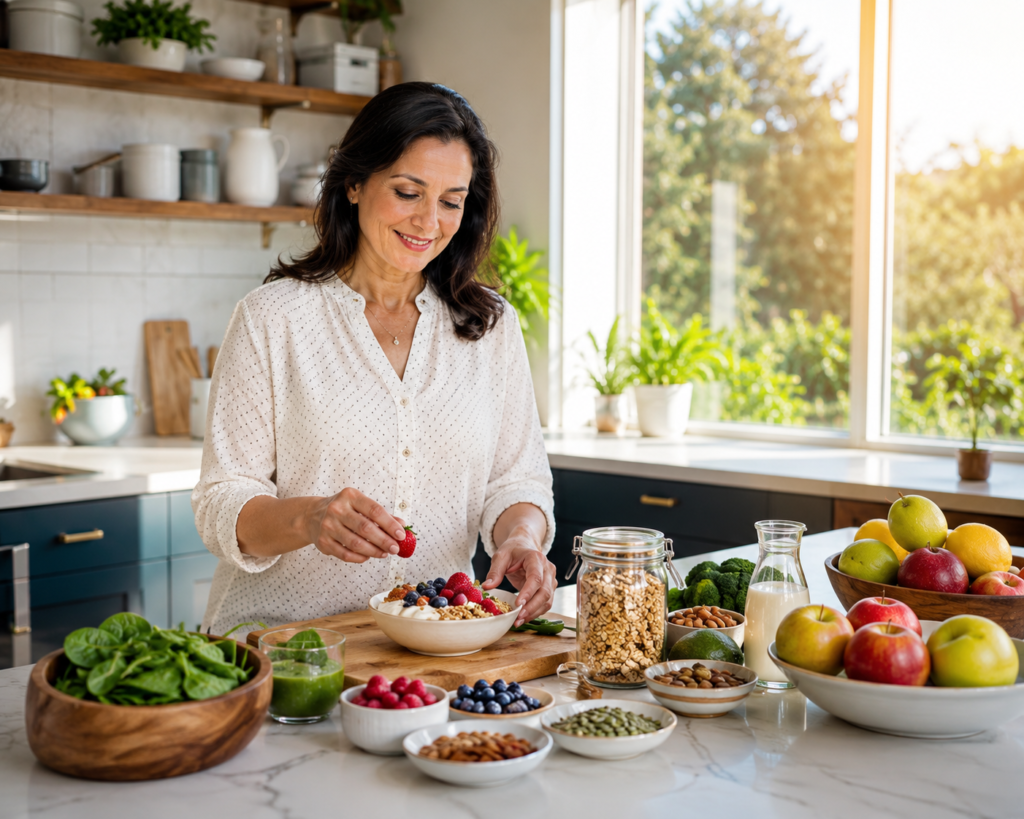
How Food Safety Works During Pregnancy
Food safety becomes more important because pregnancy affects the immune system and increases susceptibility to certain infections.
Step 1: Selecting Safe Ingredients
Purchase fresh foods from reputable sources and check expiration dates carefully.
Step 2: Proper Storage
Store perishable foods at appropriate temperatures to prevent bacterial growth.
Step 3: Thorough Washing
Clean fruits, vegetables, utensils, and food preparation surfaces before use.
Step 4: Complete Cooking
Cook meat, seafood, and eggs thoroughly to destroy harmful microorganisms.
Step 5: Avoid Cross-Contamination
Keep raw foods separate from ready-to-eat foods during preparation and storage.
Step 6: Follow Medical Guidance
Every pregnancy is unique. Healthcare providers can offer personalized dietary recommendations based on individual health needs.
Safe Alternatives and Healthy Solutions
Avoiding risky foods does not mean sacrificing nutrition. Consider these safer alternatives.
Choose Fully Cooked Protein Sources
Options include:
- Grilled chicken
- Well-cooked fish
- Beans
- Lentils
Select Pasteurized Dairy Products
Pasteurized milk, yogurt, and cheese provide calcium while reducing infection risks.
Eat Low-Mercury Fish
Many healthcare professionals recommend fish that are lower in mercury and rich in omega-3 fatty acids.
Focus on Fresh Produce
Well-washed fruits and vegetables provide essential vitamins, minerals, and fiber.
Stay Hydrated
Water supports digestion, circulation, and overall maternal health throughout pregnancy.
Read Food Labels Carefully
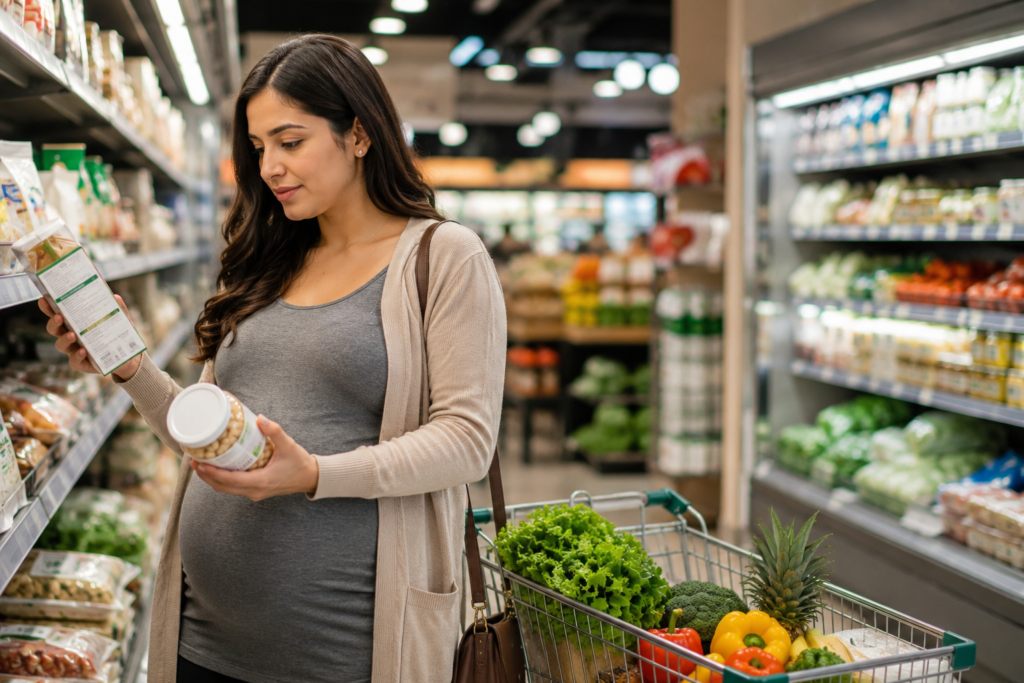
Checking ingredient lists can help identify unpasteurized products and other ingredients that may require caution.
Daily Habits That Support Healthy Eating During Pregnancy
Developing healthy habits can make it easier to avoid risky foods and maintain proper nutrition.
Plan Meals Ahead
Meal planning reduces reliance on convenience foods that may not meet nutritional needs.
Carry Healthy Snacks
Nutritious snacks help manage hunger and support stable energy levels.
Practice Good Kitchen Hygiene
Wash hands regularly and sanitize food preparation areas.
Monitor Food Expiration Dates
Discard expired foods promptly to reduce foodborne illness risks.
Cook More Meals at Home
Preparing meals yourself allows better control over ingredients and food safety practices.
Attend Prenatal Checkups
Regular prenatal visits provide opportunities to discuss nutrition and dietary concerns with healthcare professionals.
Listen to Your Body
Changes in appetite, food preferences, and digestive comfort are common during pregnancy. Discuss unusual symptoms with a healthcare provider.
Maintain a Balanced Diet
A healthy pregnancy diet should include:
- Whole grains
- Lean proteins
- Fruits
- Vegetables
- Healthy fats
- Adequate fluids
Understanding Foods to Avoid During Pregnancy while focusing on nutritious alternatives can help create a safer and more enjoyable pregnancy experience.
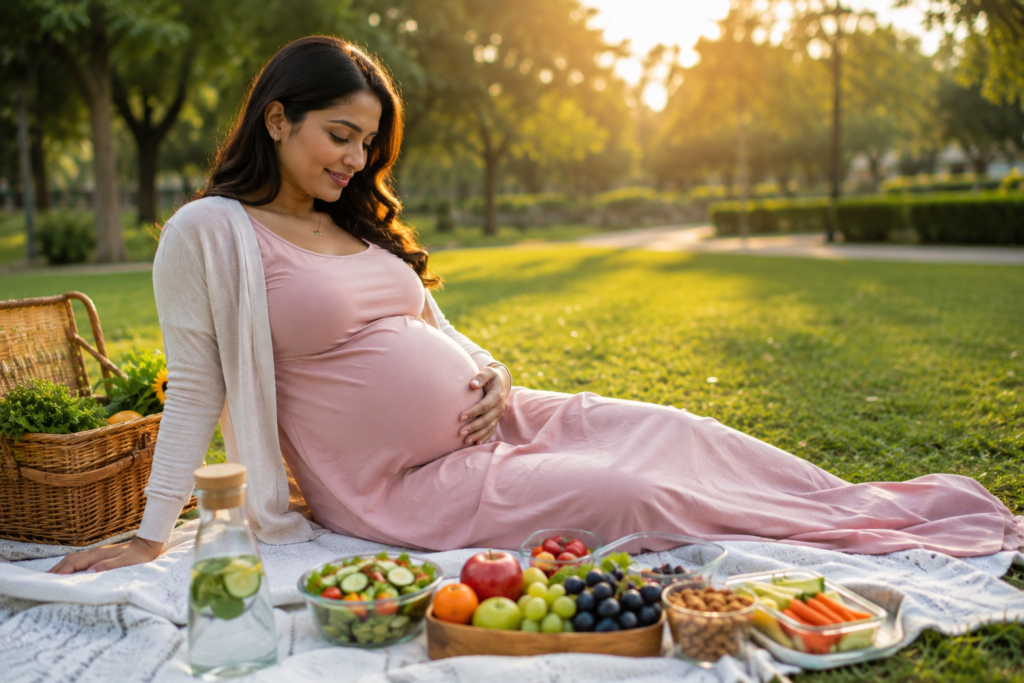
Common Myths About Foods to Avoid During Pregnancy
Myth 1: Pregnant Women Must Eat for Two
Fact: Pregnancy increases nutritional needs, but it does not mean doubling calorie intake. Quality of food matters far more than quantity.
Myth 2: All Seafood Is Unsafe During Pregnancy
Fact: Many fish are excellent sources of protein and omega-3 fatty acids. The concern is primarily with high-mercury fish, not all seafood.
Myth 3: Cravings Mean the Body Needs That Food
Fact: Pregnancy cravings are common, but they do not always indicate nutritional deficiencies. Food choices should still prioritize safety and balance.
Myth 4: Herbal Teas Are Always Safe
Fact: Some herbal teas contain ingredients that may not be recommended during pregnancy. Always check with a healthcare professional before regular consumption.
Myth 5: Food Poisoning Is Only a Minor Problem
Fact: Foodborne illnesses can be more serious during pregnancy and may affect both mother and baby.
Myth 6: Soft Cheese Must Always Be Avoided
Fact: Soft cheese made from pasteurized milk is generally considered safer than varieties made from unpasteurized milk.
Frequently Asked Questions
Can I eat sushi while following Foods to Avoid During Pregnancy guidelines?
Raw sushi is generally not recommended during pregnancy because it may contain harmful bacteria or parasites. However, sushi made with fully cooked ingredients may be a safer option.
Why are high-mercury fish included in Foods to Avoid During Pregnancy?
High-mercury fish can expose the developing baby to excessive mercury, which may affect brain and nervous system development. Lower-mercury alternatives are usually recommended.
Are deli meats completely prohibited during pregnancy?
Not necessarily. Many healthcare professionals advise heating deli meats until steaming hot before consumption to reduce the risk of bacterial contamination.
Can I drink coffee during pregnancy?
Moderate caffeine intake is generally considered acceptable for many pregnant women, but excessive consumption should be avoided. Discuss appropriate limits with your healthcare provider.
What should I do if I accidentally eat one of the Foods to Avoid During Pregnancy?
Do not panic. Monitor for symptoms and contact your healthcare provider if you experience fever, vomiting, diarrhea, or other concerning signs.
How can I safely replace Foods to Avoid During Pregnancy?
Focus on well-cooked proteins, pasteurized dairy products, thoroughly washed produce, whole grains, and other nutrient-rich foods that support maternal and fetal health.
Final Thoughts
Understanding Foods to Avoid During Pregnancy can help expecting mothers make informed dietary choices that support both their health and their baby’s development. While the list of foods to avoid may seem overwhelming at first, most dietary adjustments are simple and manageable.
The goal is not perfection but awareness. Choosing safer alternatives, practicing good food hygiene, and seeking professional guidance when needed can make a significant difference throughout pregnancy.
Conclusion
Foods to Avoid During Pregnancy remain an important topic because nutrition and food safety play a major role in maternal and fetal health. Pregnancy creates unique nutritional needs and increased sensitivity to certain infections, making it essential to understand which foods may pose unnecessary risks.
Raw seafood, undercooked meat, unpasteurized dairy products, high-mercury fish, alcohol, and other potentially harmful foods are commonly highlighted because of their association with foodborne illnesses, toxins, or developmental concerns. Avoiding these foods does not mean restricting nutrition. In fact, many safe and healthy alternatives can provide the vitamins, minerals, protein, and healthy fats needed during pregnancy.
Every pregnancy is different, and individual dietary recommendations may vary based on medical history, nutritional needs, and healthcare guidance. Consulting a qualified healthcare professional remains the best approach when questions arise about food safety or nutritional planning.
By learning about Foods to Avoid During Pregnancy, practicing proper food handling, and maintaining a balanced diet, expecting mothers can take practical steps toward supporting a healthy pregnancy and creating the best possible environment for their baby’s growth and development.
Contact Information
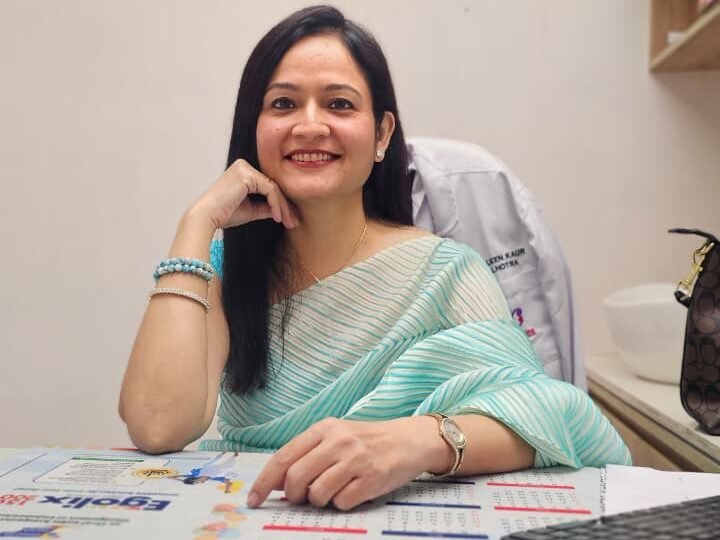
Dr. Jasleen Kaur Malhotra
Gynaecologist, Obstetrician & Infertility Specialist
📍 Address: Clinic No. 56A, Behind Main Market, Sector 6, Dwarka, New Delhi – 110075
📞 Phone: +91-99105-52246
🌐 Website: gynaefemmewellnessdwarka.com