
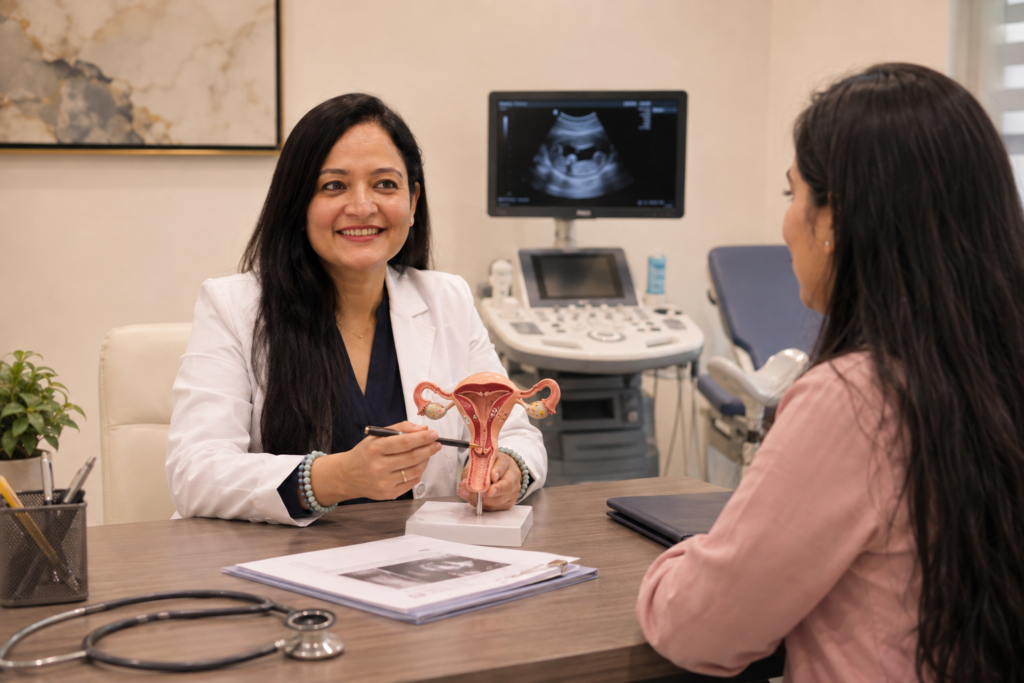
Choosing the right doctor for women’s health is an important decision. From routine menstrual concerns and PCOS to pregnancy care, fertility questions, menopause, and preventive check-ups, women may need professional guidance at different stages of life. If you are searching for the best gynaecologist in Dwarka, it is important to look beyond online ratings and choose a qualified specialist who understands your concerns and provides personalized care.
A gynaecologist specializes in the health of the female reproductive system, including the uterus, ovaries, cervix, vagina, and related hormonal concerns. Obstetricians also provide medical care during pregnancy, childbirth, and the postpartum period. Many doctors specialize in both gynaecology and obstetrics, making them suitable for women who want continuity of care.
Dwarka has several healthcare facilities and specialists offering women’s health services. However, choosing the right doctor can sometimes feel confusing. Different doctors have different areas of expertise, communication styles, treatment approaches, and experience.
This guide explains what to consider when choosing a gynaecologist, which symptoms should not be ignored, how regular check-ups can help, and what questions you should ask during your consultation.
Table of Contents
Why Choosing the best gynaecologist in Dwarka Matters
Women’s health concerns can be highly personal. Many symptoms involving periods, fertility, pregnancy, hormonal changes, or reproductive health may be uncomfortable to discuss. A good gynaecologist should create an environment where you can explain your symptoms honestly without feeling embarrassed or judged.
The right doctor can help identify possible causes, recommend appropriate investigations, explain treatment options, and guide you through preventive care. Building a long-term relationship with a trusted healthcare professional can also make it easier to discuss changes in your health over time.
For example, irregular periods may sometimes be related to stress or lifestyle factors, but they can also be associated with PCOS, thyroid problems, hormonal imbalances, or other conditions. Instead of ignoring the symptom or relying on internet searches, consulting a qualified professional can help you understand what is actually happening.
When looking for the best gynaecologist in Dwarka, consider whether the doctor has experience with the specific concern you want to discuss.
What Does a Gynaecologist Treat?
A gynaecologist provides care for a wide range of women’s health concerns. Some issues require only routine monitoring, while others may need detailed evaluation and treatment.
Common concerns include:
- Irregular or painful periods
- Heavy menstrual bleeding
- PCOS and hormonal concerns
- Vaginal infections
- Pelvic pain
- Fibroids
- Endometriosis
- Ovarian cysts
- Menopause-related symptoms
- Fertility concerns
- Pregnancy planning
- Contraception and family planning
- Preventive reproductive health
- Pregnancy and postpartum care
Not every symptom indicates a serious medical condition. However, persistent, unusual, or worsening symptoms deserve professional attention.

Menstrual Problems
Periods can vary from person to person, but significant changes should not always be dismissed as normal. Very heavy bleeding, extremely painful periods, missed periods, or cycles that become consistently irregular may require evaluation.
A gynaecologist can review your menstrual history and, when necessary, recommend examinations, blood tests, ultrasound scans, or other investigations.
PCOS and Hormonal Concerns
Polycystic ovary syndrome, commonly known as PCOS, can affect periods, ovulation, hormones, skin, hair growth, and metabolism. Symptoms can vary significantly between women.
A good consultation should consider your overall health rather than focusing on one symptom alone. Treatment may involve lifestyle changes, monitoring, medication, or management of individual symptoms depending on your situation.
Pregnancy and Obstetric Care
Women planning pregnancy often benefit from preconception guidance. This can include discussing medical history, medications, lifestyle, nutrition, vaccinations, and appropriate investigations.
During pregnancy, regular antenatal care helps monitor the health of both mother and baby. A doctor may recommend different tests and examinations depending on the stage and circumstances of pregnancy.
How to Choose the best gynaecologist in Dwarka
Choosing a gynaecologist should be based on more than proximity to your home. Location is certainly useful, particularly during pregnancy or when frequent appointments are required, but medical expertise and communication are equally important.
1. Check Qualifications
Start by checking the doctor’s medical qualifications and specialization. A professional profile should clearly explain the doctor’s education, areas of practice, and relevant experience.
If you are pregnant or planning pregnancy, you may prefer a doctor with appropriate obstetric experience. If your concern involves fertility, PCOS, menopause, or a specific gynaecological condition, consider whether the doctor regularly manages similar cases.
2. Consider Experience
Experience can be valuable when dealing with complex or recurring concerns. Ask whether the doctor regularly treats patients with symptoms similar to yours.
Experience does not mean that a doctor will automatically be the right choice for everyone. Your individual health history and comfort with the doctor also matter.
3. Evaluate Communication
Good communication is essential in women’s healthcare. You should feel comfortable explaining symptoms, asking questions, and discussing concerns about treatment.
A doctor should explain medical information in language you can understand. If you do not understand why a particular test or treatment has been recommended, you should feel comfortable asking for clarification.
When comparing options for the best gynaecologist in Dwarka, pay attention to how the doctor listens as well as how they speak.
4. Look at Patient Reviews Carefully
Online reviews can help you create a shortlist, but they should not be the only factor in your decision. Reviews may discuss appointment experience, waiting time, communication, or general satisfaction rather than clinical suitability.
Look for consistent patterns rather than relying on one extremely positive or negative review.
5. Check Clinic Accessibility
Consider the clinic’s location, appointment availability, consultation timings, and emergency or hospital affiliations where relevant.
For pregnancy care, accessibility can become particularly important because appointments may become more frequent as pregnancy progresses.
Signs You Have Found the Right Gynaecologist
The relationship between a patient and doctor should be based on trust, respect, communication, and professional care.
A suitable gynaecologist should listen to your concerns instead of immediately making assumptions. They should explain the reasoning behind recommended tests and treatments and give you an opportunity to ask questions.
Another positive sign is personalized care. Two women with the same symptom may not require exactly the same treatment because their medical histories, age, lifestyle, reproductive goals, and other factors may differ.
The best gynaecologist in Dwarka for one patient may not necessarily be the right doctor for another. Your choice should reflect your specific healthcare needs.
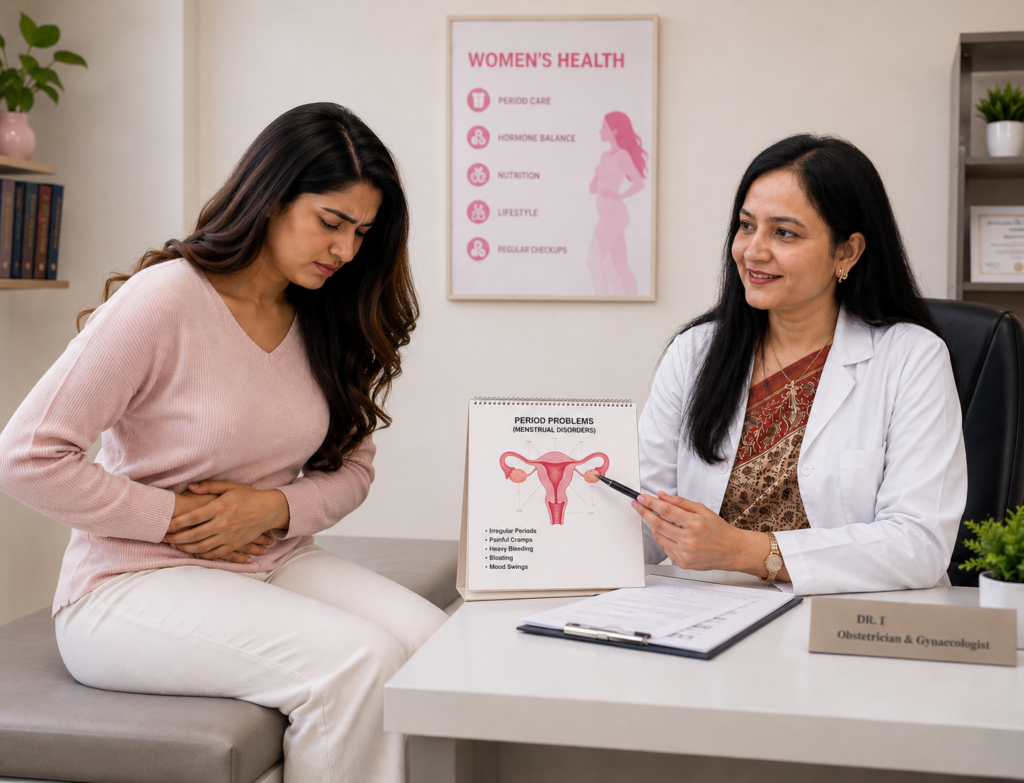
When Should You Visit a Gynaecologist?
You do not always need to wait until a problem becomes severe before consulting a doctor. Routine appointments can help address concerns early and provide preventive guidance.
Consider scheduling a consultation if you experience:
- Persistent changes in your menstrual cycle
- Unusually heavy bleeding
- Severe period pain
- Unexplained pelvic pain
- Recurrent vaginal infections
- Pain during intercourse
- Unusual vaginal discharge or bleeding
- Difficulty becoming pregnant
- Symptoms associated with hormonal changes
- Menopause-related concerns
Pregnant women should follow the antenatal schedule recommended by their healthcare provider.
If you experience severe pain, heavy bleeding, fainting, difficulty breathing, or another potentially urgent symptom, seek appropriate emergency medical care rather than waiting for a routine appointment.
Importance of Regular Gynaecological Check-Ups
Regular healthcare visits allow women to discuss symptoms and preventive health needs even when they feel well.
A routine consultation may include a discussion about menstrual history, reproductive health, contraception, pregnancy plans, medications, lifestyle, and relevant family or medical history.
The exact examinations or tests required depend on age, symptoms, medical history, and individual risk factors. Not every woman needs the same investigations at every visit.
Preventive care is particularly valuable because women’s health needs change over time. The priorities of a teenager, a woman planning pregnancy, a new mother, and a woman approaching menopause can be very different.
Gynaecological Care for Different Stages of Life
Teenagers and Young Women
Young women may have questions about periods, menstrual pain, hygiene, contraception, hormonal changes, or unusual symptoms. A supportive healthcare environment can make it easier to discuss these concerns.
Parents and young women should seek appropriate medical guidance when menstrual symptoms significantly interfere with education, daily activities, or quality of life.
Women Planning Pregnancy
Preconception care can help women prepare for pregnancy. A doctor may review existing medical conditions, medications, lifestyle factors, vaccination status, and other considerations.
This is also an opportunity to discuss reproductive goals and ask questions about fertility and pregnancy planning.
During Pregnancy
Pregnancy requires regular monitoring. Antenatal appointments allow healthcare professionals to assess maternal health, monitor fetal development, and identify potential complications.
Women should follow their doctor’s recommended appointment schedule and complete advised investigations on time.
Postpartum Period
The period after childbirth is an important part of maternal healthcare. Women may experience physical recovery, hormonal changes, breastfeeding-related concerns, emotional changes, or menstrual changes.
Postpartum consultations provide an opportunity to discuss recovery, contraception, breastfeeding concerns, and other health issues.
Perimenopause and Menopause
As women approach menopause, hormonal changes can lead to irregular periods, hot flashes, sleep difficulties, mood changes, and other symptoms. These changes are common, but they do not mean women have to tolerate symptoms without professional guidance.
A gynaecologist can discuss available approaches based on individual health needs.
Questions to Ask During Your Appointment
Many patients remember their main concern but forget important questions once they enter the consultation room. Writing down questions beforehand can make the appointment more productive.
You can ask:
- What could be causing my symptoms?
- Do I need any tests?
- What does the recommended test help identify?
- What treatment options are available?
- Are there lifestyle changes that may help?
- What warning signs should I watch for?
- When should I schedule my next appointment?
- Are there alternatives to the recommended treatment?
If you are pregnant, you may also ask about diet, exercise, medications, warning signs, recommended scans, and appointment schedules.
A good doctor should encourage informed decision-making rather than making you feel uncomfortable for asking questions.
What to Bring to Your Gynaecology Appointment
Preparing for your appointment can save time and help the doctor understand your health history.
Consider carrying previous medical reports, ultrasound or laboratory reports, a list of medications and supplements, and information about previous surgeries or significant medical conditions.
It can also be useful to note your menstrual cycle details. Record the date your last period started, average cycle length, duration of bleeding, and any unusual symptoms.
If you are seeking fertility or pregnancy-related care, information about previous pregnancies, treatments, or relevant reports may also be useful.
How Technology Can Support Women’s Healthcare
Modern healthcare has made it easier for patients to manage appointments, access reports, and communicate with healthcare providers. Some clinics also provide online consultations for selected concerns.
Digital tools can be convenient, but they should not replace appropriate physical examinations when an examination is medically necessary.
When choosing the best gynaecologist in Dwarka, ask whether the clinic provides online consultations, digital reports, appointment reminders, and other services that make ongoing care easier.
Avoid Self-Diagnosis and Unverified Treatments
Women’s health information is widely available online, but not everything published on social media or websites is medically reliable.
A symptom such as irregular periods may have multiple possible causes. Taking medication based on an online recommendation can sometimes delay appropriate diagnosis or create unnecessary risks.
Similarly, herbal products and supplements should not automatically be assumed to be safe simply because they are described as natural.
Use online information to prepare questions, not to replace professional diagnosis and medical advice.

Cost, Convenience, and Continuity of Care
Healthcare decisions naturally involve practical considerations such as consultation fees, location, appointment timings, and availability.
However, choosing solely on price may not provide the best long-term value. If you need ongoing treatment or pregnancy care, continuity with a trusted doctor can be particularly helpful.
When considering the best gynaecologist in Dwarka, compare the overall experience rather than focusing on one factor.
You should understand consultation fees and any expected additional costs before proceeding with non-emergency investigations or procedures.
Why Personalized Women’s Healthcare Is Important
Every woman has a different medical history, lifestyle, reproductive goal, and set of concerns. Personalized care takes these differences into account.
For example, treatment for painful periods may depend on age, severity, pregnancy plans, medical history, and the underlying cause. Similarly, fertility evaluation may involve both partners rather than focusing exclusively on the woman.
Personalized care also means avoiding unnecessary tests and treatments when they are not appropriate.
Frequently Asked Questions
How do I find the best gynaecologist in Dwarka?
Start by checking medical qualifications, experience, areas of expertise, clinic accessibility, patient feedback, and communication style. Choose a doctor whose experience matches your healthcare needs.
How often should I visit a gynaecologist?
The appropriate frequency depends on your age, symptoms, reproductive health, pregnancy status, medical history, and doctor’s recommendations. Some women may need routine visits, while others require more frequent appointments.
Can a gynaecologist help with PCOS?
Yes. Gynaecologists commonly evaluate and manage PCOS-related concerns. Depending on your symptoms and medical history, management may include lifestyle guidance, monitoring, medication, or referral to another specialist when appropriate.
Should I visit a gynaecologist before planning pregnancy?
A preconception consultation can be helpful. It provides an opportunity to discuss medical history, medications, lifestyle, vaccinations, pregnancy planning, and other relevant health considerations.
What should I bring to my first appointment?
Bring previous medical reports, relevant test results, medication information, and details about your menstrual cycle. A written list of symptoms and questions can also be useful.
Can I consult a gynaecologist for irregular periods?
Yes. Persistent or significant menstrual irregularities should be discussed with a qualified healthcare professional. The doctor can evaluate possible causes and recommend appropriate investigations if needed.
Is online consultation suitable for gynaecological concerns?
Online consultation can be useful for certain discussions, follow-ups, reports, and general guidance. However, some symptoms require a physical examination or diagnostic testing, so your doctor can advise whether an in-person appointment is necessary.
Conclusion
Finding the best gynaecologist in Dwarka involves more than choosing the closest clinic or the doctor with the highest online rating. Qualifications, experience, specialization, communication, accessibility, and personalized care should all be considered before making a decision.
Women should feel comfortable discussing their concerns openly and asking questions about diagnosis, investigations, treatment, and preventive care. Whether you need help with menstrual problems, PCOS, pregnancy planning, fertility, postpartum recovery, menopause, or another concern, timely professional guidance can make a meaningful difference.
Do not ignore persistent or unusual symptoms simply because they seem manageable. At the same time, avoid unnecessary worry based on online information or self-diagnosis. A qualified gynaecologist can evaluate your individual situation and recommend appropriate care.
The right healthcare professional should not only address your immediate concern but also help you understand your health and make informed decisions. Taking the time to choose the best gynaecologist in Dwarka for your individual needs is an important step toward confident, informed, and ongoing women’s healthcare.
Contact Information

Dr. Jasleen Kaur Malhotra
Gynaecologist, Obstetrician & Infertility Specialist
📍 Address: Clinic No. 56A, Behind Main Market, Sector 6, Dwarka, New Delhi – 110075
📞 Phone: +91-99105-52246
🌐 Website: gynaefemmewellnessdwarka.com