
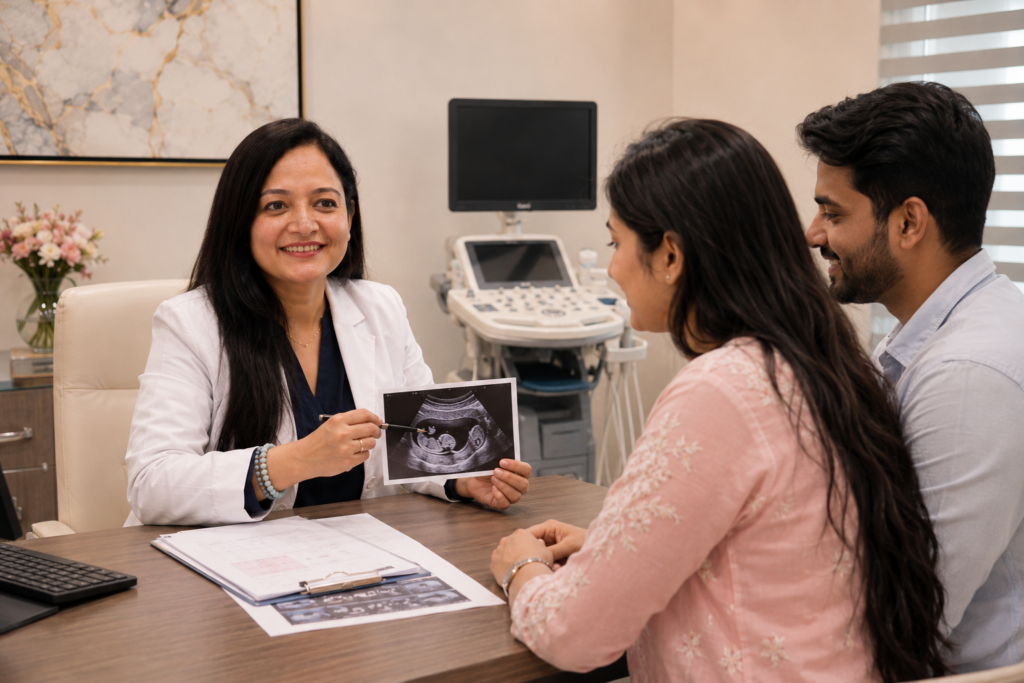
Women’s health changes throughout life, and having access to the right medical professional can make those changes easier to understand and manage. From menstrual concerns and hormonal fluctuations to pregnancy, fertility, postpartum recovery, and menopause, women may need professional guidance at different stages. If you are searching for Gynaecologist Dwarka, understanding how to choose a suitable specialist can help you make a more informed healthcare decision.
Finding a doctor is relatively easy, but finding someone who is qualified, experienced, approachable, and appropriate for your specific needs requires more consideration. Online ratings and clinic location can be useful, but they should not be the only factors you consider.
Table of Contents
Why Choosing the Right Gynaecologist Dwarka Matters
Gynaecological concerns can sometimes be difficult to discuss. Women may hesitate to talk about menstrual changes, vaginal symptoms, fertility problems, sexual health, pelvic pain, or hormonal issues because they feel uncomfortable or embarrassed.
When evaluating Gynaecologist Dwarka options, consider qualifications, experience, communication, availability, clinic accessibility, and the doctor’s experience with your specific concern.
What Does a Gynaecologist Do?
A gynaecologist provides medical care related to the female reproductive system. The exact services offered can vary depending on the doctor’s training and area of specialization.
Common concerns managed by gynaecologists include:
- Irregular menstrual cycles
- Painful periods
- Heavy menstrual bleeding
- PCOS
- Hormonal concerns
- Pelvic pain
- Vaginal infections
- Fibroids
- Endometriosis
- Ovarian cysts
- Fertility concerns
- Contraception and family planning
- Pregnancy planning
- Menopause-related symptoms
- Postpartum concerns
A consultation is not always about treating a disease. Women can also visit a gynaecologist for preventive guidance, reproductive planning, contraception advice, or questions about changes in their body.

Menstrual Health
Menstrual cycles can naturally vary, but significant or persistent changes should not always be ignored.
Very heavy bleeding, severe pain, prolonged bleeding, repeatedly missed periods, or consistently irregular cycles can have several possible causes. These may include hormonal changes, PCOS, thyroid-related problems, stress, changes in body weight, fibroids, endometriosis, or other medical conditions.
A qualified Gynaecologist Dwarka specialist can review your menstrual history and determine whether further evaluation is appropriate.
PCOS and Hormonal Concerns
Polycystic ovary syndrome is a common hormonal condition that can affect menstrual cycles, ovulation, skin, hair, weight management, and fertility.
Not every woman experiences PCOS in the same way. Some women may have irregular periods, while others may experience acne, increased facial or body hair, difficulty with weight management, or fertility-related concerns.
Pelvic Pain
Pelvic pain may occur around menstruation, but persistent or severe pain can have other causes.
Pain that repeatedly affects daily activities, occurs outside the menstrual period, or is associated with unusual bleeding, discharge, fever, or other symptoms should be medically evaluated.
How to Choose the Right Gynaecologist Dwarka
Choosing a doctor involves more than searching for the nearest clinic. Creating a shortlist and comparing important factors can help you make a better decision.
1. Check Medical Qualifications
Begin by reviewing the doctor’s educational qualifications and professional training. A reliable professional profile should clearly explain the doctor’s medical background and areas of practice.
If you are looking for pregnancy care, consider a specialist with appropriate obstetric experience. If your primary concern is fertility, PCOS, menopause, or a particular gynaecological condition, look for relevant experience in that area.
Qualifications provide the foundation, but experience and communication are also important.
2. Consider Clinical Experience
Experience can be especially useful when a patient has recurring symptoms or requires specialized care.
For example, a woman experiencing repeated menstrual problems may benefit from consulting a doctor who regularly manages menstrual disorders. Someone planning pregnancy may prefer a professional experienced in preconception and antenatal care.
When comparing Gynaecologist Dwarka options, consider whether the doctor’s professional experience aligns with your healthcare needs.
3. Evaluate Communication
A medical consultation should be a two-way conversation.
The doctor should listen carefully, ask relevant questions, and explain medical information in language you can understand. You should be able to ask why a test has been recommended or what a treatment involves.
Good communication is particularly important when discussing sensitive women’s health concerns.
4. Review Patient Feedback Carefully
Online reviews can help you identify potential doctors, but they should not be your only source of information.
A review may discuss waiting time, clinic staff, appointment scheduling, or communication. It may not tell you whether the doctor is suitable for your specific medical condition.
Look for consistent patterns across multiple reviews and compare them with the doctor’s qualifications and professional information.
5. Consider Location and Appointment Availability
Location can become important when you need repeated appointments.
Women undergoing pregnancy care, fertility treatment, or ongoing management of a condition may need several consultations. A conveniently located clinic can make regular visits easier.
Also consider appointment timings, availability, accessibility, and whether online consultations are offered for suitable concerns.
Signs of a Good Gynaecologist
A good women’s healthcare professional should treat patients respectfully and take their concerns seriously.
A suitable Gynaecologist Dwarka professional should consider the broader health picture rather than focusing on a single complaint.

When Should You Visit a Gynaecologist?
You do not need to wait until symptoms become severe before seeking professional advice.
Consider making an appointment if you experience:
- Persistent changes in your menstrual cycle
- Very heavy periods
- Severe menstrual pain
- Recurrent pelvic pain
- Unusual vaginal discharge
- Repeated vaginal infections
- Bleeding between periods
- Pain during intercourse
- Difficulty becoming pregnant
- Concerns about contraception
- Symptoms related to menopause
- Questions about pregnancy planning
Pregnant women should follow the appointment schedule recommended by their healthcare provider.
Gynaecological Care During Different Life Stages
Adolescence and Young Adulthood
Young women may have questions about periods, menstrual pain, hygiene, contraception, hormonal changes, or reproductive health.
Severe menstrual pain or bleeding that interferes with school, work, exercise, or daily activities should not automatically be dismissed as normal.
A supportive consultation can help young women understand their bodies and identify symptoms that require medical attention.
Pregnancy Planning
Women considering pregnancy can benefit from a preconception consultation.
A doctor may discuss existing medical conditions, medications, vaccinations, nutrition, lifestyle, previous pregnancies, and other relevant factors.
This is also an opportunity to discuss reproductive goals and ask questions about preparing for a healthy pregnancy.
Pregnancy and Antenatal Care
Pregnancy involves significant physical and hormonal changes. Regular antenatal care allows healthcare professionals to monitor the health of the mother and developing baby.
Appointments may include routine examinations, recommended laboratory tests, ultrasound examinations, nutritional guidance, and discussions about symptoms or concerns.
The frequency and type of monitoring can vary depending on the stage of pregnancy and individual circumstances.
Postpartum Care
Medical care should continue after childbirth.
The postpartum period involves physical recovery, hormonal changes, breastfeeding-related concerns, emotional adjustments, and changes in daily routines.
A postpartum appointment can provide an opportunity to discuss recovery, contraception, menstrual changes, breastfeeding concerns, and other health issues.
Perimenopause and Menopause
Menopause is a natural stage of life, but hormonal changes can cause symptoms that affect daily comfort and quality of life.
Women may experience irregular periods, hot flashes, sleep difficulties, mood changes, vaginal dryness, or other symptoms during the transition.
A Gynaecologist Dwarka specialist can discuss symptoms and available management options based on individual health circumstances.

Questions to Ask During Your Consultation
Many patients think of questions after leaving the clinic. Preparing them beforehand can make the appointment more productive.
Consider asking:
- What could be causing my symptoms?
- Do I need any diagnostic tests?
- What does the recommended test help identify?
- What treatment options are available?
- Are there lifestyle changes that could help?
- What symptoms should I monitor?
- When should I return for follow-up?
- Are there alternative treatment options?
- What should I do if my symptoms become worse?
If you are planning pregnancy, you can also ask about nutrition, exercise, medications, vaccinations, pregnancy preparation, and appropriate monitoring.
Do not hesitate to ask for clarification if you do not understand a medical term or recommendation.
What Should You Bring to Your Appointment?
Preparing a few things before your consultation can help the doctor understand your medical history.
Consider carrying:
- Previous medical reports
- Ultrasound reports
- Laboratory test results
- Current medication details
- Information about allergies
- Previous surgery records
- Relevant pregnancy history
It can also be helpful to record your menstrual cycle. Note the date your last period started, your typical cycle length, duration of bleeding, and symptoms such as pain or unusually heavy flow.
Online Consultation or In-Person Visit?
Online healthcare consultations can be useful for certain concerns. They may be appropriate for follow-up discussions, reviewing reports, medication-related questions, or some non-urgent concerns.
However, some gynaecological symptoms require a physical examination or diagnostic testing. In those cases, an in-person consultation may be necessary.
When choosing a Gynaecologist Dwarka professional, ask whether online consultations are available and whether they are appropriate for your specific situation.
Avoid Self-Diagnosis and Unverified Treatments
The internet provides access to an enormous amount of health information, but online content cannot replace an individual medical assessment.
Use reliable health information to prepare questions, then discuss your concerns with a qualified Gynaecologist Dwarka specialist.
Frequently Asked Questions
How can I choose a Gynaecologist Dwarka specialist?
Check medical qualifications, relevant experience, areas of specialization, communication style, clinic accessibility, appointment availability, and patient feedback. Choose a professional whose expertise matches your individual healthcare needs.
How often should I see a gynaecologist?
There is no universal schedule for every woman. The appropriate frequency depends on age, symptoms, medical history, reproductive goals, pregnancy status, and your healthcare provider’s recommendations.
Can a gynaecologist help with PCOS?
Yes. Gynaecologists commonly evaluate and manage PCOS-related concerns. The appropriate approach depends on symptoms, health history, reproductive goals, and individual circumstances.
Should I see a gynaecologist before planning pregnancy?
A preconception appointment can be helpful. It allows you to discuss medical history, medications, lifestyle, vaccinations, nutrition, and other factors relevant to pregnancy preparation.
Can irregular periods be a reason to visit a gynaecologist?
Yes. Persistent or significant menstrual changes should be discussed with a healthcare professional. A doctor can assess your symptoms and determine whether further evaluation is appropriate.
What should I take to my first appointment?
Bring relevant medical reports, previous test results, medication information, and details about your medical history. Menstrual cycle information and a written list of questions can also be helpful.
Can I consult a gynaecologist online?
Online consultations can be useful for selected concerns and follow-ups. However, some symptoms require physical examination or diagnostic testing, so an in-person appointment may be necessary.
What is the difference between a gynaecologist and an obstetrician?
A gynaecologist primarily focuses on women’s reproductive health, while an obstetrician specializes in pregnancy, childbirth, and postpartum care. Many doctors train in both specialties and practice as obstetrician-gynaecologists.
Conclusion
Choosing the right Gynaecologist Dwarka professional is an important part of taking care of your reproductive and overall health. The decision should go beyond choosing the nearest clinic or relying entirely on online ratings.
Consider the doctor’s qualifications, experience, specialization, communication style, availability, and ability to provide personalized care. You should feel comfortable discussing your symptoms, asking questions, and understanding the reasoning behind recommended investigations or treatments.
Whether you are dealing with irregular periods, PCOS, pelvic pain, fertility concerns, pregnancy planning, postpartum changes, or menopause symptoms, timely professional guidance can help you understand your health more clearly.
Avoid self-diagnosis and unverified treatments, particularly when symptoms are persistent or worsening. Instead, consult a qualified healthcare professional who can evaluate your individual circumstances.
Taking time to select an appropriate Gynaecologist Dwarka specialist can help you build a trusted healthcare relationship and make informed decisions through different stages of your life. Good women’s healthcare is not only about treating illness; it is also about understanding your body, addressing concerns early, and maintaining long-term reproductive well-being.
Contact Information

Dr. Jasleen Kaur Malhotra
Gynaecologist, Obstetrician & Infertility Specialist
📍 Address: Clinic No. 56A, Behind Main Market, Sector 6, Dwarka, New Delhi – 110075
📞 Phone: +91-99105-52246
🌐 Website: gynaefemmewellnessdwarka.com