

Pregnancy is a major life transition that brings excitement, hope, and many new responsibilities. Along with the joy of welcoming a baby, expecting parents may also experience questions about nutrition, physical changes, medical check-ups, emotional well-being, delivery planning, and newborn care. Having the right guidance throughout this journey can make pregnancy feel more organized, informed, and manageable.
Choosing reliable Pregnancy Care in Dwarka can help expecting mothers receive timely guidance and appropriate support at every stage. Pregnancy care is not limited to routine appointments. It involves monitoring the mother’s health, tracking the baby’s development, identifying possible concerns early, supporting healthy habits, and preparing the family for childbirth and life after delivery.
Every pregnancy is different. Some women may experience a smooth journey with minimal discomfort, while others may need additional monitoring because of previous health concerns, age, multiple pregnancy, or pregnancy-related complications. A qualified obstetrician or maternity care professional can help create a care plan suited to individual needs.
Table of Contents
What Does Pregnancy Care Include?
Pregnancy care refers to the medical, emotional, and practical support provided during pregnancy. It usually begins when pregnancy is confirmed and continues through childbirth and the early postpartum period.
A typical care plan may include:
- Initial pregnancy assessment
- Medical history and physical examination
- Routine antenatal appointments
- Blood pressure and weight monitoring
- Blood and urine tests
- Ultrasound examinations when advised
- Monitoring the baby’s growth and development
- Guidance about food, supplements, and physical activity
- Screening for pregnancy-related conditions
- Birth preparation and delivery planning
- Advice about breastfeeding and newborn care
- Postpartum follow-up
The frequency and type of appointments depend on the stage of pregnancy and the mother’s individual health needs. A professional providing Pregnancy Care in Dwarka may also coordinate with other specialists if additional support becomes necessary.
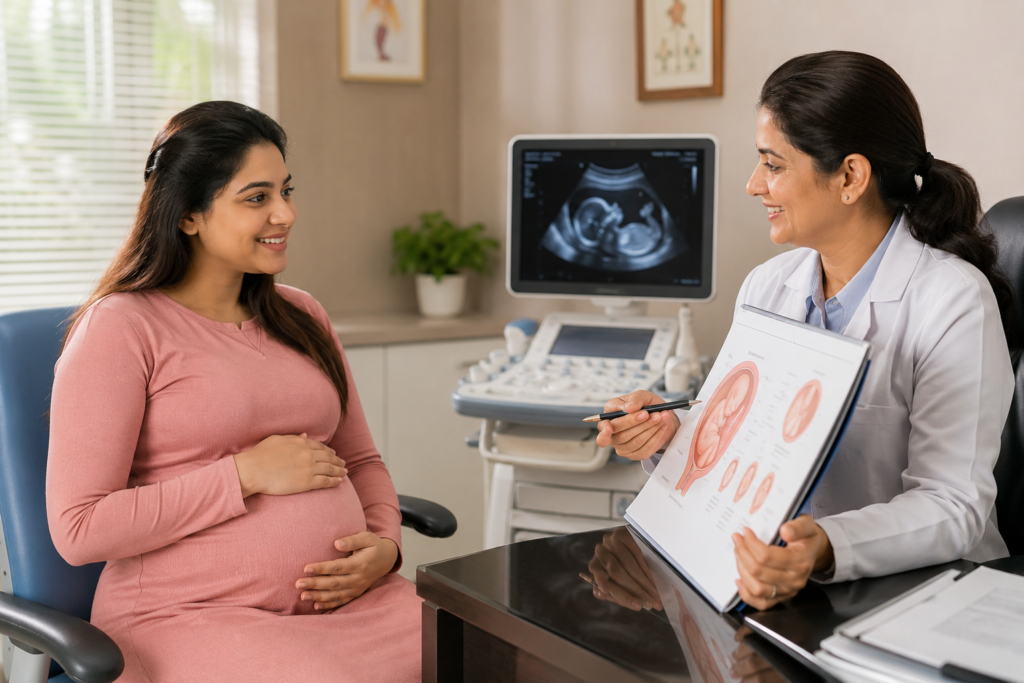
7 Powerful Benefits of Pregnancy Care in Dwarka
1. Regular Monitoring of Mother and Baby
One of the most important benefits of structured pregnancy care is regular monitoring. Pregnancy causes many changes in the body, and some health concerns may develop without obvious symptoms. Routine appointments allow a healthcare professional to check the mother’s general well-being and assess the baby’s progress.
During appointments, the care team may monitor:
- Blood pressure
- Weight changes
- General physical symptoms
- Baby’s heartbeat when appropriate
- Uterine growth
- Blood and urine reports
- Signs of anemia or other concerns
- Baby’s position and growth at relevant stages
Monitoring does not mean that every pregnancy will develop a problem. It simply creates opportunities to identify concerns early and decide whether further assessment is needed.
Consistent Pregnancy Care in Dwarka also helps maintain a clear medical record. This can be useful when making decisions about tests, delivery planning, or referrals later in pregnancy.
2. Early Identification of Possible Complications
Some pregnancy-related conditions can be managed more effectively when identified early. Professional care helps assess risk factors and recognize symptoms that should not be ignored.
Depending on the individual situation, a healthcare provider may screen for or monitor concerns such as:
- Anemia
- Gestational diabetes
- High blood pressure
- Pregnancy-related infections
- Thyroid concerns
- Problems involving the placenta
- Fetal growth concerns
- Preterm labor risks
An important part of Pregnancy Care in Dwarka is knowing when to contact a healthcare professional. Symptoms such as heavy bleeding, severe abdominal pain, sudden breathlessness, severe headache, fainting, leaking fluid, or reduced fetal movement later in pregnancy should receive prompt medical attention.
3. Personalized Nutrition and Lifestyle Guidance
Nutrition plays an important role during pregnancy. The body needs additional nutrients to support maternal health and the baby’s growth, but dietary needs vary from person to person.
A qualified maternity professional can provide guidance about:
- Balanced meals
- Protein and fiber intake
- Iron-rich foods
- Calcium sources
- Adequate hydration
- Prenatal supplements when prescribed
- Food safety
- Caffeine and other dietary considerations
- Managing nausea or food aversions
- Healthy weight gain expectations
Professional Pregnancy Care in Dwarka can be particularly helpful when an expecting mother is unsure about supplements, vegetarian or non-vegetarian food choices, travel, exercise, or managing work during pregnancy.
It is important not to start herbal remedies, high-dose supplements, or medicines without consulting a qualified professional. “Natural” does not always mean safe during pregnancy.
4. Better Understanding of Pregnancy Changes
Pregnancy can bring physical and emotional changes that may feel unfamiliar. Nausea, fatigue, breast tenderness, mood changes, back discomfort, frequent urination, and sleep difficulties are common experiences, but the intensity differs among women.
A healthcare professional may explain:
- What commonly happens during each trimester
- How the baby develops over time
- Why certain tests are recommended
- Which symptoms can be managed at home
- When medication may be appropriate
- How to prepare for later pregnancy
- What changes may occur close to delivery
With Pregnancy Care in Dwarka, expecting parents can ask questions in a setting where information is explained according to their health history and stage of pregnancy. Clear communication can help prevent unnecessary fear while encouraging responsible attention to symptoms.
5. Emotional Support and Mental Well-Being
Pregnancy affects emotional health as well as physical health. Hormonal changes, concerns about childbirth, financial responsibilities, relationship changes, previous pregnancy loss, or fear about parenting may influence a woman’s mood.
Feeling occasional worry or emotional sensitivity can happen during pregnancy. However, persistent sadness, intense anxiety, panic, hopelessness, or difficulty functioning should not be dismissed.
Emotional support may include discussing:
- Fear of labor or delivery
- Concerns about the baby’s health
- Previous difficult pregnancy experiences
- Changes in identity and routine
- Relationship or family stress
- Sleep difficulties
- Feelings of isolation
- Anxiety about becoming a parent
A calm and respectful care environment can make it easier for women to share concerns honestly. Pregnancy Care in Dwarka should ideally include space for questions and emotional support rather than focusing only on test reports.
6. Preparation for Labor, Delivery, and Newborn Care
Childbirth preparation can help expecting parents understand their options and feel more ready for the delivery experience. Although no birth plan can predict every situation, discussing preferences and possible scenarios can be useful.
During later pregnancy, a professional may discuss:
- Signs of labor
- When to contact the maternity team
- Hospital or birth-setting considerations
- Pain-relief options
- Vaginal birth and cesarean delivery
- Birth companion preferences
- Emergency situations
- Breastfeeding basics
- Immediate newborn care
- Postpartum recovery
Good Pregnancy Care in Dwarka can help families understand what to expect without promising a particular delivery method or outcome. A qualified professional can explain the benefits and limitations of different options based on the mother’s health and pregnancy progress.
7. Continuity of Care After Delivery
Pregnancy care should not end immediately after childbirth. The postpartum period involves physical recovery, emotional adjustment, feeding decisions, and major changes in daily routine.
Postnatal follow-up may address:
- Bleeding and recovery after delivery
- Wound care after cesarean birth
- Breastfeeding concerns
- Breast discomfort
- Sleep and fatigue
- Nutrition and hydration
- Contraception planning
- Pelvic health
- Emotional well-being
- Warning signs of postpartum complications
Choosing Pregnancy Care in Dwarka that includes postpartum guidance can make the transition into parenthood more supported. It also gives mothers an opportunity to ask questions that may arise after leaving the hospital.

How to Choose Suitable Pregnancy Care in Dwarka
Selecting a maternity professional is an important decision. Convenience matters, but it should be considered alongside professional suitability, communication, emergency arrangements, and the type of care offered.
Check Professional Credentials and Experience
Look for a qualified obstetrician, gynecologist, or maternity care provider with appropriate training and registration. If the pregnancy is considered high-risk, ask whether the professional has experience managing similar situations or works with a suitable hospital team.
Do not rely only on online claims or promotional language. Ask clear questions about the provider’s experience, approach, and referral arrangements.
Consider Location and Accessibility
A conveniently located clinic or hospital may make routine appointments easier, especially during the later months when travel can become uncomfortable.
When reviewing Pregnancy Care in Dwarka, consider:
- Travel time from home or work
- Availability of appointments
- Parking or public transport access
- Accessibility for older family members
- Emergency contact arrangements
- Hospital affiliation, if relevant
- Availability of laboratory and ultrasound services
The closest provider is not always the best choice, but a practical location can support regular attendance and reduce logistical stress.
Evaluate Communication Style
Pregnancy involves many questions. A suitable professional should explain information clearly, listen respectfully, and allow the mother to discuss concerns.
Before choosing a provider, consider asking:
- How are routine appointments scheduled?
- What tests are commonly recommended?
- How can urgent concerns be communicated?
- What happens outside regular consultation hours?
- Where are delivery services provided?
- How are high-risk situations managed?
- Is partner or family participation encouraged?
- What postpartum follow-up is available?
A respectful communication style can help build trust throughout pregnancy.
What Happens During a Typical Pregnancy Appointment?
The exact process varies according to the pregnancy stage and individual health history. A routine appointment may include a discussion of symptoms, review of previous reports, physical checks, and planning for upcoming tests.
The professional may ask about:
- Nausea or vomiting
- Bleeding or pain
- Headaches or swelling
- Sleep and energy levels
- Food intake and hydration
- Medicines or supplements
- Emotional well-being
- Baby movements when relevant
It is also useful to understand why a test is recommended, what it can show, and whether preparation is required. Asking questions is a normal and valuable part of Pregnancy Care in Dwarka.
Online Versus In-Person Pregnancy Care
Online consultations can be useful for selected concerns, follow-up discussions, report explanations, and general guidance. They may be convenient for women who live far away, have mobility challenges, or need to clarify instructions between appointments.
Before choosing online Pregnancy Care in Dwarka, ask how physical examinations, investigations, prescriptions, and urgent referrals will be managed. Never delay emergency care while waiting for a video consultation.
Practical Ways to Support a Healthy Pregnancy
Professional care works best when combined with practical daily habits. These habits should be adapted to the mother’s medical advice and personal circumstances.
Attend Scheduled Appointments
Even when pregnancy feels comfortable, routine appointments remain important. Some conditions may not produce noticeable symptoms in the beginning.
Follow Medical Advice Carefully
Take prescribed supplements or medicines according to instructions. Do not change the dose or stop treatment without consulting the provider.
Eat Regular, Balanced Meals
Include a variety of foods and maintain hydration. If nausea, vomiting, diabetes, or another condition affects eating patterns, ask for personalized advice.
Prioritize Rest
Sleep may become difficult as pregnancy progresses. Rest breaks, comfortable positioning, and practical household support can help.
Stay Physically Active When Appropriate
Many women can continue safe, moderate activity during pregnancy, but the right level depends on medical history and pregnancy progress. Ask before starting a new exercise routine.
Prepare Questions Before Appointments
Write down symptoms, concerns, and topics such as travel, work, exercise, delivery, or breastfeeding. This helps make consultations more focused.
Build a Support System
Partners and family members can help with transportation, meals, household responsibilities, emotional reassurance, and appointment reminders.

When Should You Seek Immediate Medical Help?
Some symptoms require urgent assessment. Contact a maternity professional promptly or seek emergency care for concerns such as:
- Heavy vaginal bleeding
- Severe or persistent abdominal pain
- Severe headache with visual changes
- Sudden swelling with other concerning symptoms
- Difficulty breathing
- Chest pain
- Fainting or loss of consciousness
- Fever with significant weakness
- Leaking fluid when it may indicate membrane rupture
- Regular painful contractions before the expected time
- Noticeably reduced baby movements later in pregnancy
- Any feeling that the mother or baby may be in danger
The appropriate response depends on the situation, but serious symptoms should never be ignored. Professional Pregnancy Care in Dwarka includes knowing when routine guidance is not enough and urgent assessment is required.
Common Misconceptions About Pregnancy Care
“If I Feel Fine, I Do Not Need Appointments”
Some pregnancy concerns may not cause obvious symptoms. Routine care helps identify changes that may otherwise go unnoticed.
“Every Pregnant Woman Needs the Same Tests”
Testing depends on the pregnancy stage, medical history, symptoms, and professional recommendations. A personalized plan is more appropriate than following someone else’s test schedule.
“Online Advice Is Enough”
Online information can provide general education, but it cannot replace clinical assessment when examination or testing is required.
“Discomfort Should Always Be Tolerated”
Some discomforts are common, but severe, unusual, or persistent symptoms deserve medical advice. It is better to ask than to assume.
“Only the Mother Needs Preparation”
Partners and family members also play an important role. Their understanding and support can make pregnancy and postpartum recovery easier to manage.
Frequently Asked Questions
1. Why should I choose professional Pregnancy Care in Dwarka?
Professional care provides structured monitoring, medical guidance, screening, nutrition advice, delivery preparation, and postpartum support. It also gives expecting parents an opportunity to discuss symptoms and receive recommendations suited to their individual situation.
2. When should pregnancy care begin?
Care should begin as soon as pregnancy is confirmed or suspected. Early assessment helps establish medical history, estimate pregnancy timing, review medicines, and plan appropriate tests and appointments.
3. How often should I attend pregnancy appointments?
The schedule varies according to the stage of pregnancy and the mother’s health. Appointments may become more frequent later in pregnancy or when additional monitoring is needed. Follow the schedule recommended by the healthcare professional.
4. Can pregnancy care help with nutrition and supplements?
Yes. A qualified professional can explain dietary needs and recommend supplements when appropriate. Do not begin high-dose vitamins, herbal products, or medicines without medical advice.
5. Is online pregnancy consultation useful?
Online consultations may help with selected follow-ups, general questions, and report discussions. However, physical examinations, investigations, and urgent concerns usually require in-person medical assessment.
6. What should I carry to my first appointment?
Carry previous medical reports, medication details, information about allergies, menstrual or pregnancy history if available, and a list of questions. It can also help to bring a partner or trusted support person.
7. Does pregnancy care continue after childbirth?
Good maternity support often includes postpartum follow-up. This may cover physical recovery, breastfeeding, emotional health, contraception, wound care, and warning signs that require attention.
Conclusion
Pregnancy is a journey that deserves consistent, respectful, and evidence-informed support. Regular monitoring, early identification of concerns, nutrition guidance, emotional care, delivery preparation, and postpartum follow-up can help expecting parents make informed decisions throughout the process.
Choosing suitable Pregnancy Care in Dwarka involves more than selecting a convenient location. Consider professional qualifications, communication, accessibility, emergency arrangements, available services, and the type of support provided after delivery.
Every pregnancy has its own needs, and no online article can replace personalized medical advice. By attending recommended appointments, asking questions, following professional guidance, and seeking prompt help for warning signs, expecting mothers can take meaningful steps toward a safer and more supported pregnancy experience.
Contact Information

Dr. Jasleen Kaur Malhotra
Gynaecologist, Obstetrician & Infertility Specialist
📍 Address: Clinic No. 56A, Behind Main Market, Sector 6, Dwarka, New Delhi – 110075
📞 Phone: +91-99105-52246
🌐 Website: gynaefemmewellnessdwarka.com