
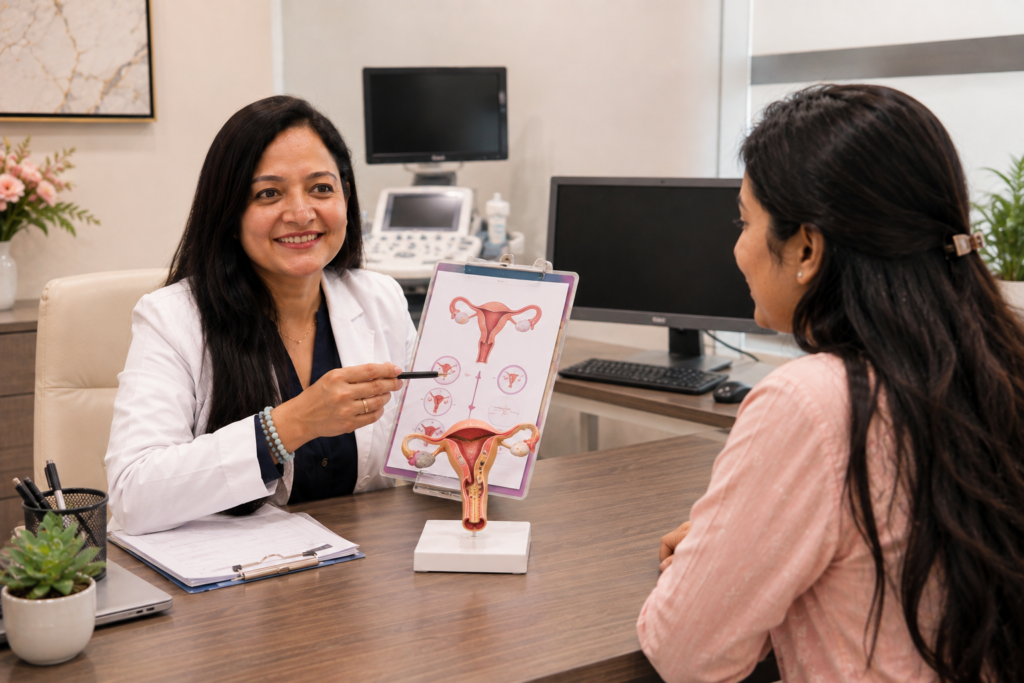
Starting a family is an important dream for many couples, but the journey toward parenthood does not always happen as expected. Some couples conceive quickly, while others may experience delays despite regular efforts. Fertility concerns can bring emotional stress, uncertainty, and many questions about the next step. Seeking timely medical guidance can make the process more organized and help couples understand their available options.
For people living in or around Delhi, Fertility Treatment in Dwarka can offer convenient access to fertility evaluation, reproductive health guidance, and treatment planning. Fertility care is not limited to one procedure or one type of patient. It may include basic assessments, lifestyle guidance, medication, ovulation support, surgical consultation, intrauterine insemination, or assisted reproductive techniques when appropriate.
Fertility Treatment in Dwarka, The right treatment depends on several factors, including age, medical history, reproductive health, test results, and how long conception has been difficult. A qualified fertility specialist can help identify possible causes and explain which options may be suitable. This article explores the reasons to consider fertility care, common causes of infertility, the evaluation process, available treatments, local considerations, and practical ways to prepare for an appointment.
Table of Contents
Understanding Fertility Challenges
Fertility Treatment in Dwarka, Fertility refers to the ability to become pregnant and achieve a successful pregnancy. Difficulties may occur because of factors affecting the female reproductive system, male reproductive health, both partners, or sometimes an identifiable cause cannot be found immediately.
Infertility is generally considered when pregnancy has not occurred after a period of regular, unprotected intercourse. The appropriate time to seek an evaluation may vary according to age, menstrual history, previous pregnancies, known medical conditions, and other risk factors. Couples should not assume that the concern belongs to only one partner.
Fertility Treatment in Dwarka, Fertility challenges can affect people in different ways. Some may have irregular or absent ovulation, while others may experience blocked fallopian tubes, endometriosis, reduced ovarian reserve, hormonal concerns, or changes in sperm count and movement. Certain medical treatments, infections, surgeries, or lifestyle factors may also influence reproductive health.

7 Important Reasons to Consider Fertility Treatment in Dwarka
1. Access to a Structured Fertility Evaluation
One of the most important benefits of seeking Fertility Treatment in Dwarka is the opportunity to receive a structured assessment. Fertility concerns can have several possible causes, and guessing the reason without proper evaluation may lead to confusion or delayed care.
A fertility consultation usually begins with a detailed discussion of the couple’s medical history. The specialist may ask about:
- Duration of attempts to conceive
- Menstrual cycle regularity
- Previous pregnancies or miscarriages
- Previous surgeries or infections
- Existing medical conditions
- Medication and supplement use
- Sexual health and timing
- Family history of reproductive concerns
- Lifestyle, sleep, stress, and substance use
Depending on the situation, the doctor may recommend tests for one or both partners. Female fertility evaluation may include blood tests, ultrasound, ovulation assessment, or examination of the uterus and fallopian tubes. Male evaluation commonly includes semen analysis and, when needed, additional testing.
Fertility Treatment in Dwarka, A structured process helps ensure that important factors are not overlooked. It also gives couples a clearer understanding of whether they should begin with simple measures or discuss more advanced options.
2. Identification of Possible Fertility Causes
Fertility difficulties are not always caused by one issue. Sometimes several small factors may contribute, while in other situations a specific medical concern can be identified. Professional fertility care may help narrow down these possibilities.
Common female-related factors include:
- Irregular ovulation
- Polycystic ovary-related hormonal changes
- Endometriosis
- Fibroids or uterine abnormalities
- Blocked or damaged fallopian tubes
- Reduced ovarian reserve
- Age-related changes in egg quality
- Hormonal or thyroid-related concerns
Male-related factors may include:
- Low sperm concentration
- Reduced sperm movement
- Changes in sperm shape
- Varicocele
- Hormonal concerns
- Previous infections or injuries
- Certain medications or medical treatments
- Lifestyle-related influences
The purpose of evaluation is not to assign blame. It is to understand the medical picture and identify a suitable path forward.
3. Personalized Treatment Planning
There is no single fertility treatment that is appropriate for every couple. The best approach depends on the cause of difficulty, age, previous treatment history, test results, personal preferences, and medical suitability.
During Fertility Treatment in Dwarka, a specialist may explain several possible approaches. For some couples, tracking ovulation and timing intercourse may be sufficient. Others may benefit from medication to support ovulation or correct a hormonal concern.
When appropriate, treatment may involve:
- Ovulation induction
- Monitoring follicular development
- Treatment for selected hormonal conditions
- Intrauterine insemination
- Surgical management of certain reproductive problems
- In vitro fertilization
- Intracytoplasmic sperm injection
- Fertility preservation discussions
- Donor-assisted options where legally and medically appropriate
A personalized plan should include the purpose of the treatment, possible benefits, limitations, risks, expected monitoring, and alternative choices. Couples should feel comfortable asking questions before agreeing to a procedure.
Fertility Treatment in Dwarka, A clear plan can reduce uncertainty and help partners understand what each stage involves.
4. Convenient Access to Ongoing Monitoring
Many fertility treatments require more than one appointment. Monitoring may be necessary to observe follicular growth, hormone levels, uterine lining, or treatment response. Choosing a location that is reasonably accessible can make repeated visits easier to manage.
For residents of West Delhi and nearby areas, Fertility Treatment in Dwarka may be a practical option because of local accessibility and the possibility of coordinating consultations, testing, and follow-up care in a familiar area.
Convenience does not mean that location should be the only deciding factor. Couples should also consider the specialist’s experience, communication style, available services, laboratory arrangements, safety standards, and transparency about treatment.
However, when care requires regular monitoring, practical travel considerations matter. Long journeys, missed work, traffic, and scheduling difficulties may add pressure during an already emotional process. A conveniently located center may help couples maintain appointments more consistently.
Fertility Treatment in Dwarka, Before selecting a provider, ask whether required tests and monitoring are available at the same location or through a connected facility. Understanding this in advance can make the treatment journey smoother.
5. Support for Both Partners
Fertility care should involve both partners whenever appropriate. Although pregnancy occurs in the female body, male reproductive factors contribute to many fertility concerns. Evaluating only one partner may delay a complete understanding of the situation.
A balanced approach to Fertility Treatment in Dwarka includes respectful communication with both individuals. A specialist may recommend semen analysis, hormonal tests, ultrasound, or other assessments based on the medical history.
Couples may also benefit from discussing emotional reactions openly. One partner may feel anxious, while the other may appear calm but experience private worry. Differences in coping styles can sometimes create tension.
Helpful habits include:
- Attending important consultations together
- Discussing treatment decisions as a team
- Avoiding blame or criticism
- Sharing responsibilities for appointments and medicines
- Respecting each other’s emotional boundaries
- Taking breaks from fertility-related conversations
- Seeking counselling when stress becomes difficult to manage
Fertility Treatment in Dwarka, Fertility treatment can involve physical, emotional, financial, and time-related demands. Supporting each other does not mean pretending everything is easy. It means creating space for honest conversations and shared decisions.
6. Guidance About Lifestyle and Reproductive Health
Medical treatment is important when indicated, but general health habits may also support reproductive well-being. Lifestyle advice should be personalized because recommendations can vary according to age, body weight, medical history, work schedule, and existing conditions.
During a fertility consultation, couples may receive guidance about:
- Balanced nutrition
- Regular physical activity
- Healthy sleep patterns
- Smoking and tobacco cessation
- Limiting alcohol
- Avoiding non-prescribed substances
- Managing chronic medical conditions
- Reviewing medicines with a doctor
- Reducing avoidable exposure to reproductive hazards
- Maintaining realistic expectations about supplements
It is important not to assume that a particular diet, exercise routine, herbal product, or supplement can solve infertility. Some products may interact with medicines or may not be appropriate for everyone.
For men, the specialist may discuss factors that can affect sperm health, such as certain medications, heat exposure, tobacco use, alcohol, or untreated medical problems. For women, maintaining general health and managing conditions such as thyroid disorders or irregular ovulation may be relevant.
Fertility Treatment in Dwarka, Lifestyle changes are not a guarantee of pregnancy. They are best viewed as part of broader reproductive healthcare.
7. Emotional Clarity and Informed Decision-Making
Fertility concerns can be emotionally exhausting. Couples may experience disappointment after every menstrual cycle, pressure from relatives, fear about age, or confusion caused by conflicting advice online. Professional guidance may help replace uncertainty with a clearer understanding of the next steps.
The purpose of Fertility Treatment in Dwarka is not simply to offer procedures. Good fertility care should also include clear explanations, realistic expectations, and respectful decision-making.
Before beginning treatment, couples should understand:
- What is known about the fertility concern
- Which tests have been recommended and why
- What treatment is being proposed
- How long the process may take
- What monitoring is required
- What side effects or risks may occur
- What alternatives are available
- When the plan may need to be reviewed
- What emotional support is available
Fertility Treatment in Dwarka, No responsible professional can promise that a particular treatment will definitely lead to pregnancy. Outcomes vary from person to person. A trustworthy specialist will explain uncertainty honestly and avoid pressure-based decisions.

Common Signs That a Fertility Consultation May Be Helpful
Not every couple needs to wait for a long period before seeking advice. Earlier evaluation may be appropriate when there are known risk factors or symptoms.
Consider discussing fertility with a qualified professional if:
- Pregnancy has not occurred despite regular attempts
- Menstrual cycles are very irregular or absent
- There is a history of pelvic infection or reproductive surgery
- Severe period pain or suspected endometriosis is present
- There have been repeated miscarriages
- There is a known sperm-related concern
- One partner has undergone chemotherapy or radiation
- There is a history of testicular injury or surgery
- There is concern about age-related fertility changes
- The couple is considering fertility preservation
People should not self-diagnose based on online information. A consultation can help determine whether testing is necessary and how urgently it should be considered.
What Happens During a Fertility Consultation?
Understanding the process may make the first visit less stressful. Although every clinic follows its own process, a typical consultation may include several stages.
Medical History and Discussion
The specialist usually begins by asking questions about reproductive history, menstrual cycles, previous pregnancies, surgeries, medications, and the duration of attempts to conceive. Both partners may be invited to share relevant information.
Recommended Investigations
Testing is selected according to the individual situation. Common investigations may include ultrasound, hormone-related blood tests, ovulation assessment, semen analysis, or evaluation of the uterus and fallopian tubes.
Not every test is necessary for every person. Couples should ask what each investigation is intended to clarify.
Explanation of Findings
After reviewing available information, the specialist may explain possible causes or contributing factors. Sometimes further tests are needed before a treatment plan can be finalized.
Treatment Discussion
The doctor may outline options ranging from observation and timing guidance to medication, insemination, or assisted reproductive treatment. The plan should reflect medical suitability and the couple’s informed preferences.
Follow-Up and Monitoring
Some treatments require scheduled follow-up visits, blood tests, scans, or adjustments. Ask how appointments are arranged and whom to contact if questions arise between visits.
Choosing a Suitable Fertility Care Provider Locally
Selecting a provider for Fertility Treatment in Dwarka requires more than choosing the closest facility. Fertility treatment may involve sensitive information and multiple decisions, so trust and communication are important.
Consider the following factors:
Professional Credentials and Experience
Check whether the fertility specialist has appropriate medical training and experience in reproductive medicine. You may ask about the types of fertility concerns commonly managed and whether the provider coordinates care for both partners.
Transparency
A suitable provider should explain the treatment plan, expected monitoring, possible risks, and alternatives clearly. Be cautious of claims involving guaranteed pregnancy, fixed outcomes, or pressure to begin expensive procedures immediately.
Privacy and Communication
Fertility concerns are personal. The provider should maintain confidentiality and offer a respectful environment where couples can ask questions without embarrassment.
Appointment Convenience
Consider clinic timings, travel distance, parking or public transport access, online consultation availability, and the ease of arranging follow-up visits. Convenience can be especially important when monitoring is frequent.
Emotional Support
Some couples may benefit from fertility counselling or mental health support during treatment. Ask whether referrals are available if stress, anxiety, grief, or relationship strain becomes difficult to manage.
In-Person Versus Online Fertility Guidance
Online consultations can be useful for discussing medical history, reviewing reports, understanding treatment options, or preparing questions. They may also help couples who live far away or have difficulty attending an initial appointment.
Fertility Treatment in Dwarka, A practical approach may involve an online discussion followed by an in-person visit when testing or treatment is required. Ask the provider which parts of the process can be handled remotely and which require attendance.
Practical Ways to Prepare for Your First Appointment
Preparing in advance can help make the consultation more productive. Consider bringing:
- Previous medical reports
- Ultrasound or scan results
- Semen analysis reports, if available
- A list of medicines and supplements
- Menstrual cycle details
- Information about previous pregnancies
- Records of earlier fertility treatments
- Questions about testing and costs
- Information about relevant family medical history
Common Misconceptions About Fertility Treatment
Fertility Problems Always Affect Women
This is incorrect. Fertility concerns may involve female factors, male factors, both partners, or no immediately identifiable cause. Evaluation should be approached as a shared medical process.
Fertility Treatment Always Means IVF
IVF is one option, not the only option. Depending on the cause, treatment may begin with lifestyle guidance, ovulation tracking, medication, or other less complex approaches.
Fertility Treatment Guarantees Pregnancy
No treatment can guarantee a particular outcome for every individual. A qualified specialist should explain realistic expectations and the factors that may influence results.
Asking for Help Means Failure
Seeking medical support is not a failure. Fertility is influenced by biology and health factors that may not be under a person’s control. Early guidance can provide clarity and help couples make informed choices.
Online Advice Is Enough
Online information can help people prepare questions, but it cannot replace an individualized medical evaluation. Fertility concerns often require history-taking, examination, testing, and professional interpretation.

When Additional Emotional Support May Be Necessary
Fertility treatment can place pressure on relationships and personal well-being. It is normal to experience a range of emotions, but persistent distress should not be ignored.
Consider seeking professional emotional support if you notice:
- Ongoing sadness or anxiety
- Frequent conflict with your partner
- Difficulty sleeping or concentrating
- Feeling isolated from friends or family
- Loss of interest in everyday activities
- Intense fear before appointments
- Difficulty coping after an unsuccessful treatment cycle
Frequently Asked Questions
1. When should a couple consider Fertility Treatment in Dwarka?
A couple may consider a fertility consultation when pregnancy has not occurred after regular attempts, or earlier if there are known reproductive health concerns. Irregular periods, previous pelvic surgery, repeated miscarriages, suspected sperm problems, or age-related concerns may justify earlier advice.
2. Does fertility treatment involve both partners?
In many situations, yes. Fertility concerns can involve male factors, female factors, both partners, or an unexplained cause. A specialist may recommend relevant evaluation for each partner to develop a complete treatment plan.
3. What tests are commonly recommended during fertility evaluation?
Testing varies according to medical history. It may include ultrasound, hormone-related blood tests, ovulation assessment, semen analysis, or tests evaluating the uterus and fallopian tubes. The doctor should explain the purpose of each investigation.
4. Is IVF the first step in fertility care?
Not necessarily. Some couples may benefit from simpler approaches such as cycle tracking, lifestyle guidance, medication, or intrauterine insemination. IVF may be discussed when medically appropriate, but the treatment plan should be individualized.
5. How can I choose a suitable fertility specialist in Dwarka?
Consider professional qualifications, reproductive medicine experience, transparency, privacy, testing facilities, appointment convenience, communication, and follow-up arrangements. Avoid providers who promise guaranteed results or pressure you into making immediate decisions.
6. Can lifestyle changes improve fertility?
Healthy habits may support general reproductive well-being, but they cannot guarantee pregnancy. Balanced nutrition, regular activity, adequate sleep, avoiding tobacco, limiting alcohol, and managing medical conditions may be useful alongside appropriate medical care.
Conclusion
Fertility Treatment in Dwarka, Fertility concerns can feel overwhelming, but couples do not have to navigate the process without guidance. A timely consultation can help identify possible causes, clarify treatment choices, and create a practical plan based on individual needs.
For couples exploring Fertility Treatment in Dwarka, important considerations include professional expertise, complete evaluation, personalized care, transparent communication, convenient follow-up, and emotional support. Treatment may range from basic fertility guidance to advanced reproductive techniques, depending on medical findings.
The most valuable step is to seek reliable information from a qualified fertility professional rather than relying on assumptions or unverified online advice. With realistic expectations, shared decision-making, and appropriate medical support, couples can approach their fertility journey with greater clarity and confidence.
Contact Information

Dr. Jasleen Kaur Malhotra
Gynaecologist, Obstetrician & Infertility Specialist
📍 Address: Clinic No. 56A, Behind Main Market, Sector 6, Dwarka, New Delhi – 110075
📞 Phone: +91-99105-52246
🌐 Website: gynaefemmewellnessdwarka.com