
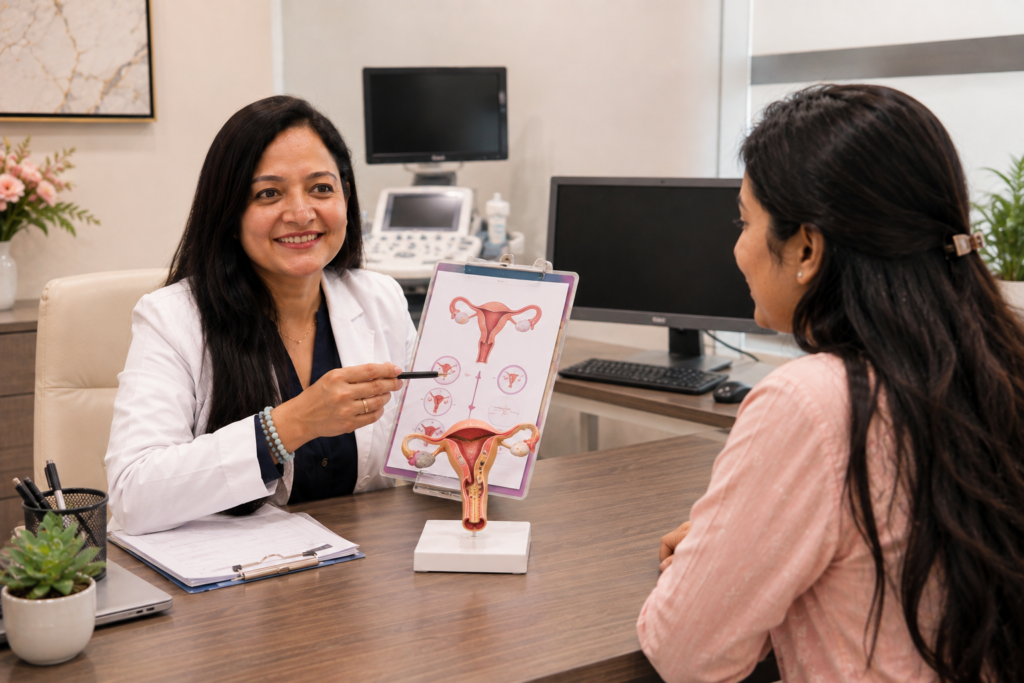
Menstrual cycles can change throughout a person’s life, but repeated delays, unusually frequent bleeding, missed periods, or unpredictable flow deserve attention. If your periods no longer follow a pattern that feels normal for you, seeking Irregular Period Treatment in Dwarka can help you understand possible causes and identify appropriate next steps with a qualified gynaecologist.
An irregular menstrual cycle does not always indicate a serious health problem. Stress, changes in body weight, intense physical activity, hormonal fluctuations, pregnancy, thyroid conditions, and polycystic ovary syndrome (PCOS) are among the possible explanations. The appropriate response depends on your age, medical history, symptoms, and the pattern of your periods.
For some people, irregularity occurs occasionally and resolves without treatment. For others, it may continue for months, affect everyday activities, or occur alongside symptoms such as severe pelvic pain, unusual hair growth, acne, or difficulty conceiving. Understanding these changes can help you decide when medical assessment is appropriate.
People living in Dwarka and nearby parts of Delhi may prefer local gynaecological care because it makes consultations, follow-up appointments, and investigations easier to manage. However, selecting a qualified professional and receiving an accurate assessment are more important than choosing a provider based only on location.
This guide explains what irregular periods mean, their possible causes, how doctors evaluate menstrual changes, available treatment approaches, and practical steps for supporting menstrual health.
Table of Contents
What Are Irregular Periods?
Irregular Period Treatment in Dwarka, An irregular period is a menstrual cycle that falls outside the expected pattern for a person’s age and stage of reproductive development. A menstrual cycle is counted from the first day of one period to the first day of the next.
Irregularity may include:
- Periods that arrive much earlier or later than expected.
- Missing periods for one or more months.
- Bleeding that occurs between periods.
- Menstrual bleeding that lasts longer than usual.
- Changes in menstrual flow, including unusually heavy bleeding.
- Cycles that repeatedly vary significantly in length.
When Should You Pay Attention to Changes?
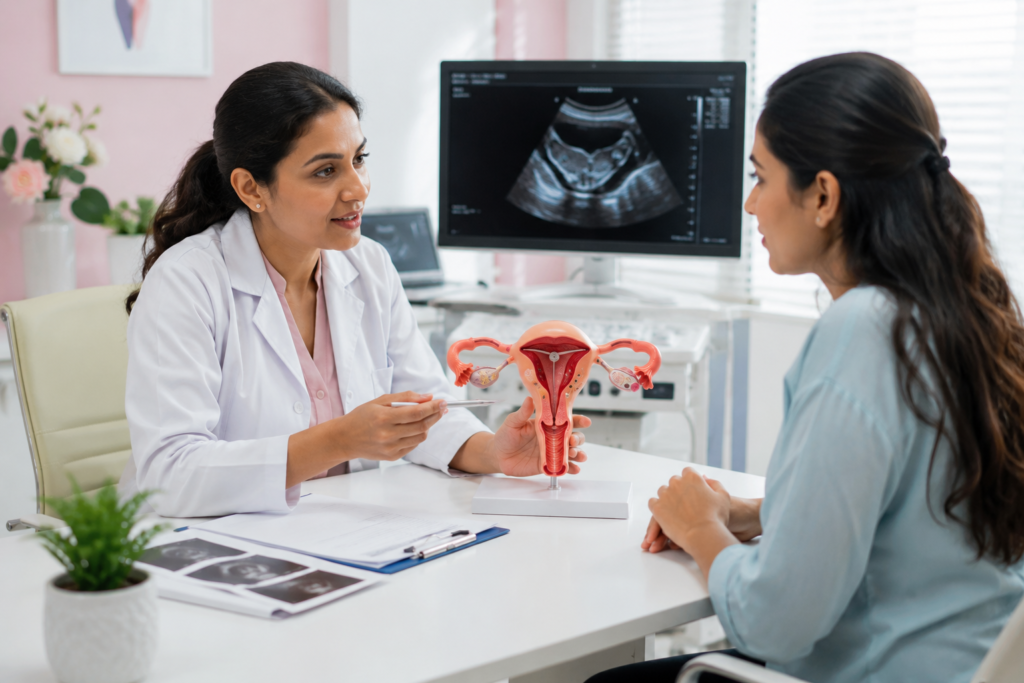
Consider keeping track of your periods if your cycle has become unpredictable or differs noticeably from your usual pattern. Record when bleeding starts and ends, how heavy it is, and whether you experience pain or other symptoms.
Seek medical advice if you repeatedly miss periods, have persistent irregularity, or notice bleeding between periods or after sex. If pregnancy is possible, consider taking a pregnancy test when your period is late.
Very heavy bleeding accompanied by dizziness, fainting, breathlessness, or severe weakness requires urgent medical attention. Sudden severe pelvic pain, particularly when pregnancy is possible, also needs prompt assessment.
Common Causes of Irregular Periods
Understanding the possible causes is an important part of Irregular Period Treatment in Dwarka. Menstrual irregularity can result from temporary changes, hormonal conditions, medication effects, or other medical concerns. A clinician considers the complete pattern rather than assuming that one symptom identifies the cause.
1. Hormonal Imbalances
Hormones regulate the menstrual cycle by coordinating changes in the ovaries and uterine lining. When hormone levels or the timing of hormonal signals change, ovulation and menstruation may become unpredictable.
Hormonal changes can occur during adolescence, after pregnancy, while breastfeeding, and during the transition towards menopause. Certain endocrine conditions may also disrupt the cycle.
The appropriate evaluation depends on age, symptoms, pregnancy possibility, and medical history. Not everyone with irregular periods needs an extensive hormone panel; tests should be selected according to clinical findings.
2. Polycystic Ovary Syndrome (PCOS)
PCOS is a hormonal condition that may affect ovulation and menstrual regularity. Some people with PCOS experience infrequent periods or missed cycles. Others may notice acne, increased facial or body hair, or difficulties with fertility.
Irregular Period Treatment in Dwarka, These symptoms do not confirm PCOS on their own. A healthcare professional considers the medical history, examination findings, and relevant investigations before making a diagnosis.
Management depends on the person’s goals and symptoms. Treatment may focus on regulating periods, managing acne or excess hair growth, addressing metabolic concerns, or supporting pregnancy plans.
3. Thyroid Disorders
The thyroid gland helps regulate several processes in the body, and thyroid disorders can affect menstruation. An underactive or overactive thyroid may be associated with irregular cycles, changes in menstrual flow, fatigue, weight changes, or other symptoms.
A clinician may recommend thyroid testing when the history or symptoms suggest that it could be relevant. If a thyroid disorder is identified, treatment is directed towards the underlying condition.
4. Stress and Lifestyle Changes
Emotional stress, insufficient sleep, substantial weight changes, restrictive eating, and excessive exercise can interfere with the hormonal processes involved in menstruation.
Irregular Period Treatment in Dwarka, For example, a student experiencing intense examination pressure may notice that their period is delayed. However, stress should not automatically be assumed to be the cause, especially if irregularity continues or other symptoms develop.
Regular meals, adequate rest, and balanced physical activity may support overall health. Persistent menstrual changes still warrant medical evaluation.
5. Pregnancy and Breastfeeding
A missed period can be an early sign of pregnancy. People who could be pregnant should consider testing rather than assuming that a delayed cycle is caused by stress or a hormonal problem.
Irregular Period Treatment in Dwarka, Breastfeeding can also influence menstrual patterns, particularly in the months after childbirth. Nevertheless, ovulation may occur before the first period returns, so pregnancy remains possible during this time.
6. Medicines and Contraception
Hormonal contraceptives can change bleeding patterns, and irregular bleeding may occur when starting, changing, or stopping certain methods. Some other medicines and treatments can also influence menstruation.
Irregular Period Treatment in Dwarka, Tell your doctor about all medicines, supplements, and contraceptives you use. Do not stop a prescribed medicine without discussing it with the prescribing professional.
How to Choose Irregular Period Treatment in Dwarka
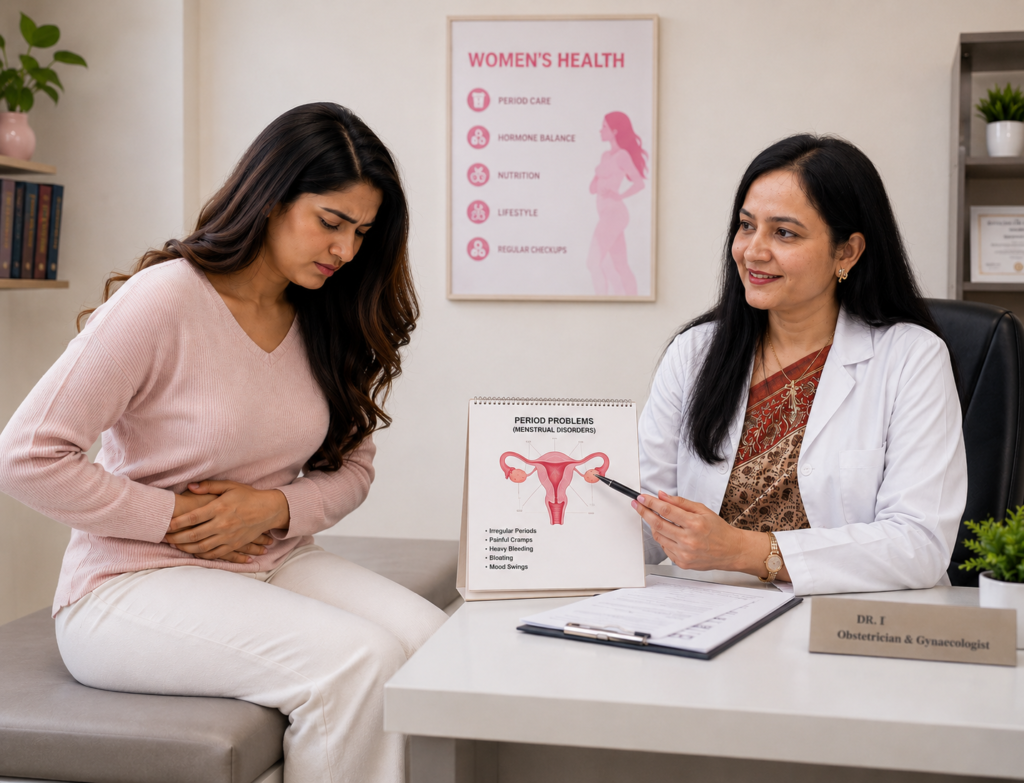
Choosing a suitable healthcare provider involves more than finding the nearest appointment. Menstrual irregularity has several possible causes, so the provider should be able to assess your symptoms, explain potential investigations, and recommend care based on your individual needs.
Look for Appropriate Qualifications
Consider consulting a registered medical practitioner with appropriate qualifications and experience in gynaecology. A qualified gynaecologist can assess menstrual concerns, investigate possible reproductive or hormonal causes, and determine whether specialist referral is needed.
Before booking, check the provider’s qualifications and the services available at the clinic or hospital. Avoid relying only on advertising claims, online ratings, or promises of quick results.
Consider Accessibility and Follow-Up
Managing menstrual health may require more than one appointment. Choose a location that you can reach comfortably and where follow-up consultations and any recommended investigations can be arranged.
People travelling from nearby parts of Dwarka should consider appointment availability, travel time, accessibility, and whether the facility can coordinate relevant tests. Convenience matters because it can make it easier to follow the recommended plan.
Ask Questions Before Starting Treatment
A consultation should give you an opportunity to understand the assessment and discuss your concerns. Useful questions include:
- What could be causing my menstrual changes?
- Do I need a pregnancy test or any other investigations?
- Which symptoms should prompt urgent medical attention?
- What are the benefits and risks of the proposed treatment?
- How will we assess whether the treatment is helping?
- When should I return for follow-up?
Irregular Period Treatment in Dwarka, Clear answers help you participate in decisions about your health and understand what to expect.
How Doctors Diagnose Irregular Periods
An accurate diagnosis is essential because the same symptom can have different causes. Effective Irregular Period Treatment in Dwarka begins with understanding the person’s menstrual history, associated symptoms, and relevant health factors.
Medical History and Symptom Review
A doctor may ask when your periods began, how frequently they occur, how long bleeding lasts, and whether your usual pattern has changed. They may also ask about pregnancy possibility, contraception, medicines, weight changes, stress, and family or personal medical history.
Other symptoms can provide useful clues. For example, pelvic pain, unusual hair growth, acne, nipple discharge, or symptoms suggestive of a thyroid disorder may influence the evaluation.
Irregular Period Treatment in Dwarka, Answering these questions honestly helps the clinician decide which assessments are appropriate. You do not need to remember every date precisely; a period-tracking app or written record can be useful.
Blood Tests and Other Investigations
Depending on the symptoms, a doctor may recommend a pregnancy test, thyroid testing, or selected hormone tests. Blood tests can help investigate certain causes but should be interpreted alongside the clinical picture.
An ultrasound may be recommended when the clinician needs to examine the uterus or ovaries. It is not necessary for every person with irregular periods, and its usefulness depends on age, symptoms, and the suspected condition.
Additional investigations may be appropriate in cases of persistent heavy bleeding or suspected anaemia. The doctor should explain why a test is recommended and how its result could influence the treatment plan.
Why Self-Diagnosis Can Be Misleading
Irregular periods are sometimes automatically attributed to PCOS, stress, or weight changes. While these can be contributing factors, other conditions may produce similar symptoms.
Using medication without knowing the underlying cause can delay appropriate care or create unwanted effects. A proper assessment helps distinguish temporary changes from conditions that need ongoing management.
Treatment Options for Irregular Menstruation
Treatment depends on the cause, severity of symptoms, age, medical history, and whether pregnancy is desired. There is no single medicine or routine that is suitable for everyone.
Treating the Underlying Cause
If testing identifies a thyroid disorder or another medical condition, treatment may focus on managing that problem. When a medicine or contraceptive appears to be contributing to irregular bleeding, the doctor may review available alternatives.
Irregular Period Treatment in Dwarka, For people with PCOS, management may include cycle regulation and support for related symptoms or metabolic health. The recommended approach varies according to individual needs and pregnancy plans.
Hormonal Treatment
In some situations, a clinician may recommend hormonal medication to regulate bleeding or protect the uterine lining. Depending on the circumstances, options may include certain contraceptive pills or other prescribed hormonal treatments.
These medicines are not suitable for everyone. The doctor should review relevant medical history, possible contraindications, side effects, and the reason for treatment before prescribing them.
Do not use hormonal tablets obtained from friends, unverified online sources, or leftover prescriptions to force a period to start. A missed period should be assessed appropriately, especially if pregnancy is possible.
Managing Heavy Bleeding
Treatment for heavy menstrual bleeding depends on the likely cause, the degree of blood loss, and the person’s health and preferences. Options may include prescribed medicines or treatment directed at an identified uterine condition.
If bleeding is prolonged or heavy, a doctor may also assess whether iron deficiency or anaemia has developed. Treatment should address both the bleeding and any resulting health effects.
Treatment When Pregnancy Is Desired
People who are trying to conceive may need a different approach from those seeking menstrual regulation alone. The clinician may evaluate whether ovulation is occurring and investigate other factors affecting fertility when appropriate.
Irregular Period Treatment in Dwarka, Some treatments used to regulate bleeding prevent pregnancy while they are being used, so it is important to explain your goals before treatment begins. Do not assume that a medicine suitable for cycle control will also help you conceive.

Frequently Asked Questions
1. When should I seek Irregular Period Treatment in Dwarka?
Consider a medical consultation if your periods are repeatedly unpredictable, you miss periods, or your bleeding pattern changes significantly. Seek prompt assessment for bleeding between periods, persistent unusual bleeding, or associated symptoms. Severe bleeding with faintness or sudden severe pelvic pain requires urgent care.
2. Can stress cause irregular periods?
Yes, significant stress may affect the hormonal processes that regulate ovulation and menstruation. However, stress is not the only possible explanation. If your periods remain irregular or other symptoms appear, consult a healthcare professional rather than assuming stress is responsible.
3. Which tests may be needed for irregular periods?
Irregular Period Treatment in Dwarka, Depending on your symptoms and history, a doctor may recommend a pregnancy test, thyroid testing, selected hormone tests, an ultrasound, or assessment for anaemia. Not everyone needs every test. Investigations should be selected according to the suspected cause.
4. Can irregular periods affect fertility?
Some conditions that cause irregular periods can also affect ovulation, which may make conception more difficult. However, irregular menstruation does not automatically mean infertility. If you are trying to conceive, a gynaecologist can advise whether further evaluation is appropriate.
5. Is medication necessary for every irregular period?
No. Treatment depends on the cause and whether the irregularity is temporary, persistent, or associated with other symptoms. Some people need monitoring or lifestyle support, while others may benefit from prescribed medication or treatment for an underlying condition.
6. Can I use home remedies to regulate my cycle?
Healthy routines may support general wellbeing, but home remedies cannot reliably treat every cause of menstrual irregularity. Avoid unverified supplements or medicines intended to trigger bleeding. Seek professional advice if the problem continues or pregnancy is possible.
7. How can I prepare for a gynaecology appointment?
Irregular Period Treatment in Dwarka, Bring your period dates if available, a list of medicines and supplements, details of any contraception, and notes about pain or other symptoms. Write down your questions and explain whether you are trying to conceive. This information can help your doctor plan the assessment.
Conclusion
Irregular menstruation can result from temporary lifestyle changes, hormonal fluctuations, PCOS, thyroid disorders, pregnancy, or other medical conditions. Understanding the underlying cause is essential because treatment that helps one person may not be suitable for another.
Seeking Irregular Period Treatment in Dwarka can be a practical step if your cycle has become unpredictable, you repeatedly miss periods, or you experience unusual bleeding or associated symptoms. A qualified gynaecologist can review your history, recommend appropriate investigations, and explain suitable treatment options.
Keep track of your menstrual pattern, share relevant health information during consultations, and avoid self-medicating to trigger or regulate bleeding. Balanced nutrition, adequate rest, and sustainable activity may support overall wellbeing, but they should not replace assessment when symptoms persist.
Contact Information

Dr. Jasleen Kaur Malhotra
Gynaecologist, Obstetrician & Infertility Specialist
📍 Address: Clinic No. 56A, Behind Main Market, Sector 6, Dwarka, New Delhi – 110075
📞 Phone: +91-99105-52246
🌐 Website: gynaefemmewellnessdwarka.com