

Women’s health needs change throughout life, from the first menstrual cycle and reproductive years to pregnancy, childbirth, and menopause. At every stage, having access to appropriate medical guidance can make it easier to understand physical changes, recognise symptoms, and make informed healthcare decisions. Finding a suitable Gynaecologist Dwarka is therefore an important step for women who want consistent, professional support for their reproductive and overall gynaecological health.
Many women delay appointments because of busy schedules, discomfort discussing intimate concerns, or uncertainty about whether a symptom needs medical attention. Issues such as irregular periods, pelvic pain, unusual discharge, fertility concerns, and menopausal changes may feel difficult to discuss, but they deserve respectful and timely attention.
A gynaecologist can assess symptoms, recommend suitable investigations when necessary, explain treatment options, and provide preventive healthcare advice. Regular consultations may also help women understand their bodies and identify concerns that should not be ignored.
For residents of Dwarka and nearby areas, choosing a convenient and trustworthy medical professional can make ongoing healthcare easier to manage. This guide explains when to consult a gynaecologist, which services may be available, what to expect during an appointment, and how to choose a healthcare professional who suits your needs.
Table of Contents
Why Choosing the Right Gynaecologist Dwarka Matters
Gynaecological healthcare involves more than treating a specific illness. It includes preventive consultations, menstrual health, reproductive planning, pregnancy-related care, and guidance through different hormonal changes.
A suitable specialist should listen carefully, understand your medical history, explain findings clearly, and discuss appropriate options without making you feel uncomfortable or judged.
Choosing a Gynaecologist Dwarka can be particularly practical for women who live or work in the area. A nearby consultation location may reduce travel time and make it easier to attend follow-up appointments, pregnancy check-ups, or investigations when recommended.
The quality of communication is just as important as convenience. You should feel comfortable asking questions about symptoms, treatment choices, possible side effects, and the reasons behind recommended tests.

7 Important Reasons to Visit a Gynaecologist
Gynaecologist Dwarka, There are several reasons why women may need professional gynaecological advice. Some concerns require prompt medical attention, while others can be discussed during a routine appointment.
1. Managing Irregular Menstrual Cycles
Menstrual cycles can vary between individuals, and occasional changes do not always indicate a serious problem. However, consistently irregular periods, unusually heavy bleeding, missed periods, or significant changes in cycle patterns should be discussed with a healthcare professional.
Possible contributing factors include hormonal changes, stress, thyroid conditions, polycystic ovary syndrome (PCOS), changes in body weight, and other health conditions.
A gynaecologist may review your menstrual history, ask about associated symptoms, and recommend investigations if required. Keeping track of period dates, bleeding patterns, and pain can help make the consultation more informative.
2. Getting Professional Guidance for PCOS
Polycystic ovary syndrome is a hormonal condition that may affect menstrual cycles, ovulation, skin, and metabolism. Some women experience irregular periods, acne, increased facial or body hair, or difficulty with ovulation.
The symptoms and healthcare needs can differ considerably between individuals. A professional assessment is important because not every irregular cycle or hormonal symptom means that someone has PCOS.
A Gynaecologist Dwarka may evaluate symptoms and medical history and recommend appropriate investigations. Management may involve lifestyle guidance, medication, or referral to another specialist depending on individual needs and treatment goals.
3. Planning a Healthy Pregnancy
Pregnancy planning is an opportunity to discuss health concerns before conception. A preconception consultation may cover menstrual history, existing medical conditions, medications, lifestyle habits, vaccinations, and nutritional needs.
Women who are planning a pregnancy can ask about folic acid, appropriate physical activity, and any health conditions that may need attention before conception.
Professional advice can also help couples understand when fertility evaluation may be appropriate. The recommendations should be based on individual health history rather than general assumptions.
4. Receiving Pregnancy and Antenatal Care
Pregnancy involves physical and hormonal changes that require appropriate monitoring. Antenatal appointments allow healthcare professionals to assess maternal health, review symptoms, monitor pregnancy progress, and recommend investigations at suitable stages.
Gynaecologist Dwarka, During pregnancy, women may have questions about nausea, nutrition, exercise, medication safety, screening tests, and warning signs.
A gynaecologist or obstetrician can explain the recommended schedule of care and help identify situations requiring further assessment. Severe abdominal pain, heavy bleeding, fainting, or other concerning symptoms should not be ignored.
5. Addressing Pelvic Pain and Infections
Pelvic pain can have several possible causes, including menstrual conditions, infections, ovarian problems, urinary conditions, or gastrointestinal concerns.
Persistent pain, pain during intercourse, unusual discharge, itching, burning, or discomfort while urinating may require medical evaluation.
Gynaecologist Dwarka, A specialist can assess the symptoms and determine whether examination, laboratory testing, imaging, or other investigations are appropriate. Avoid self-medicating with antibiotics or repeatedly using products intended to treat intimate infections without understanding the cause.
6. Understanding Menopause and Hormonal Changes
Menopause is a natural stage of life, but the transition can involve symptoms that affect comfort and daily routines.
Gynaecologist Dwarka, Some women experience hot flashes, night sweats, sleep difficulties, mood changes, vaginal dryness, or changes in menstrual patterns.
A gynaecologist can discuss available ways to manage symptoms, assess other possible causes, and explain treatment options where appropriate. Women should receive advice based on their health history, preferences, and individual risk factors.
7. Maintaining Preventive Reproductive Healthcare
Preventive care helps women discuss their health even when they do not have noticeable symptoms. Depending on age, medical history, and individual risk, a healthcare professional may discuss cervical screening, vaccinations, breast health awareness, and other preventive measures.
A consultation with a Gynaecologist Dwarka can help you understand which preventive services are relevant to you and when they should be considered.
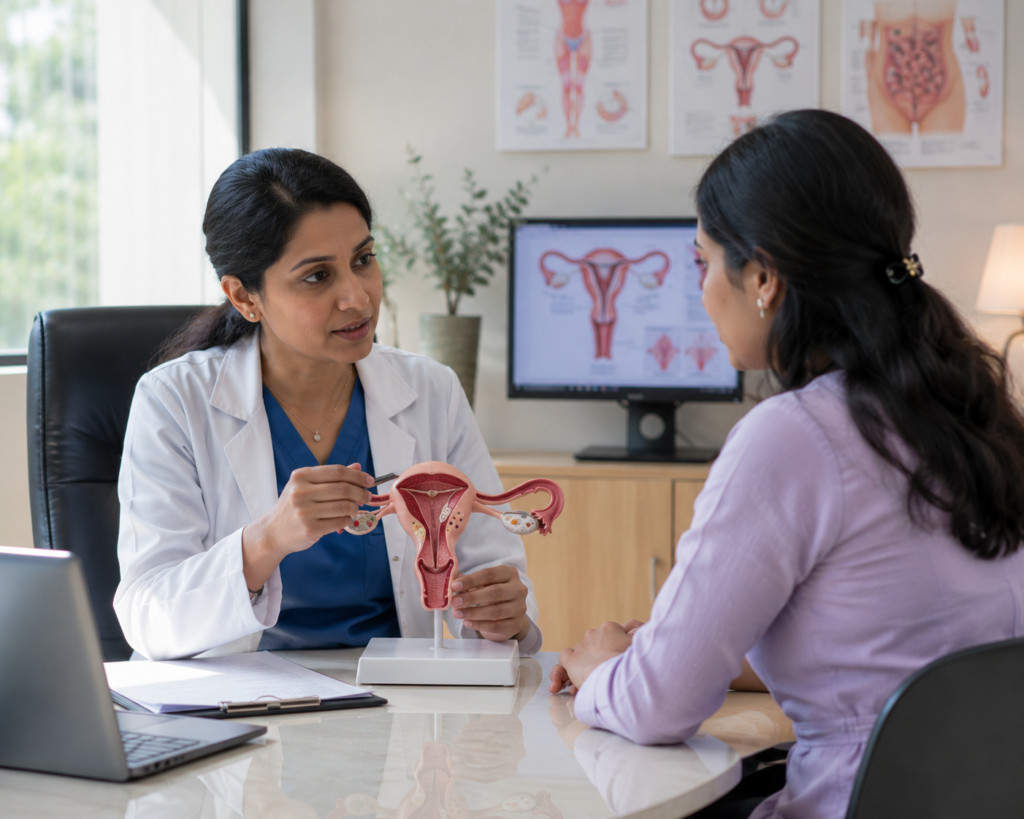
Common Gynaecological Problems Women Should Not Ignore
Some symptoms are easy to dismiss because they appear gradually or seem manageable. However, persistent or unusual changes deserve attention.
Heavy or Painful Periods
Gynaecologist Dwarka, Menstrual cramps are common, but severe pain that affects daily activities should not automatically be considered normal. Heavy bleeding, prolonged periods, or bleeding between cycles may also require assessment.
A healthcare professional can investigate possible causes and discuss suitable management options.
Unusual Vaginal Discharge
Vaginal discharge can naturally change throughout the menstrual cycle. However, a noticeable change in smell, colour, consistency, or quantity, especially with itching, pain, or irritation, may indicate an infection or another concern.
Avoid using scented intimate products or attempting repeated home treatments without professional advice.
Pain During Intercourse
Gynaecologist Dwarka, Pain during sexual activity can have physical, hormonal, psychological, or relationship-related contributors. It should not be dismissed as something a woman simply has to tolerate.
A respectful medical consultation can help identify possible causes and discuss appropriate care.
Breast Changes
Women should pay attention to new lumps, unusual nipple discharge, skin changes, or persistent breast discomfort. Not every change indicates cancer, but unexplained or persistent symptoms should be evaluated by a healthcare professional.
Bleeding After Menopause
Any vaginal bleeding after menopause should be medically assessed, even if it occurs only once or appears light. Timely evaluation helps identify the cause and determine whether further care is needed.
Services You May Discuss With a Gynaecologist
The services offered can differ between medical practices. Before booking an appointment, check whether the specialist provides the type of consultation or care you require.
Common areas of gynaecological care may include:
- Menstrual health assessment and management.
- PCOS and hormonal health consultations.
- Evaluation of pelvic pain and menstrual cramps.
- Assessment of vaginal infections and discharge.
- Fertility and preconception guidance.
- Pregnancy-related consultations and antenatal monitoring.
- Menopause and perimenopause management.
- Preventive reproductive healthcare.
- Guidance about contraception and family planning.
- Evaluation of certain reproductive health conditions.
Some concerns may require collaboration with an endocrinologist, fertility specialist, dermatologist, physician, or other healthcare professional.
Gynaecologist Dwarka, Look for a properly qualified gynaecologist with relevant experience in adolescent reproductive health. You can ask about professional credentials, training, and familiarity with concerns such as menstrual irregularity, puberty, and severe period pain.
When contacting a Gynaecologist Dwarka, explain your primary concern so the clinic can guide you towards the appropriate appointment.
How to Choose the Best Gynaecologist in Dwarka
Selecting a specialist should involve more than comparing distance or appointment availability. Consider the following factors before making your decision.
Check Qualifications and Relevant Experience
Look for a registered medical professional with appropriate qualifications and training in obstetrics and gynaecology. You can ask about experience with the specific concern you want to discuss.
For example, someone seeking pregnancy-related care may want to understand the professional’s experience with antenatal consultations, while someone experiencing menstrual concerns may prioritise expertise in reproductive health.
Consider Communication and Comfort
Gynaecological consultations can involve sensitive subjects. A good doctor should listen without dismissing concerns, explain medical information clearly, and respect your privacy.
You should feel able to discuss symptoms honestly and ask questions without embarrassment.
Check Clinic Accessibility
Dwarka has residential and commercial areas, so the actual travel time to a clinic may vary. Consider the location, transport options, parking availability, and appointment timings.
If you expect to need regular follow-ups, convenience may become an important factor.
Understand Available Facilities
Depending on your needs, you may want to ask whether the clinic offers consultations, ultrasound services, sample collection, or access to other investigations.
If a service is not available at the clinic, ask how referrals and external tests are managed.
Review Appointment and Fee Policies
Before booking, confirm consultation charges, appointment duration, payment methods, cancellation rules, and follow-up arrangements directly with the provider.
Avoid making a decision based only on promotional claims. Reliable healthcare information should be clear about services and limitations.

Preparing for Your First Gynaecology Consultation
A little preparation can help you use your appointment effectively.
Keep a Record of Your Symptoms
Write down the symptoms you have noticed, when they started, how frequently they occur, and whether they are linked to your menstrual cycle.
If you experience irregular periods, noting cycle dates over several months can provide useful information.
Carry Previous Medical Reports
Bring relevant test results, ultrasound reports, prescriptions, and details of previous treatments. This can help prevent unnecessary repetition and provide a clearer picture of your health history.
Preventive Gynaecological Care at Different Life Stages
Women’s healthcare needs are not identical throughout life. A consultation schedule should be based on age, symptoms, medical history, and relevant screening recommendations.
Adolescence and Early Adulthood
Young women may need guidance about menstrual cycles, period pain, hygiene, contraception, and common reproductive health concerns.
A first consultation can also help address questions about normal bodily changes and when medical assessment is necessary.
Reproductive Years
During these years, consultations may focus on menstrual health, contraception, fertility planning, pregnancy, and the management of reproductive conditions.
Women with ongoing health concerns may need an individual follow-up plan.
Pregnancy and After Childbirth
Pregnancy care involves monitoring maternal and foetal health according to clinical recommendations. After childbirth, women may also need support with recovery, menstrual changes, breastfeeding-related concerns, and contraception.
Perimenopause and Menopause
During the menopausal transition, women may need help understanding irregular periods, hot flashes, sleep changes, vaginal symptoms, and longer-term health considerations.
Look for a properly qualified gynaecologist with relevant experience in adolescent reproductive health. You can ask about professional credentials, training, and familiarity with concerns such as menstrual irregularity, puberty, and severe period pain.
A Gynaecologist Dwarka can help explain which concerns are associated with hormonal changes and which may need separate investigation.
For residents looking for a Gynaecologist Dwarka, it is useful to know whether the chosen healthcare facility can manage urgent concerns or whether an emergency hospital is more appropriate.

Frequently Asked Questions
1. When should I visit a gynaecologist?
You can visit a gynaecologist for menstrual irregularities, pelvic pain, unusual discharge, contraception advice, fertility concerns, pregnancy planning, or menopausal symptoms. You do not need to wait until a problem becomes severe to seek professional advice.
2. How do I find a reliable Gynaecologist Dwarka?
Check the doctor’s recognised medical qualifications, relevant experience, communication style, clinic accessibility, and appointment policies. You can also ask whether the professional regularly manages the health concern you want to discuss.
3. Is a gynaecologist visit necessary if my periods are regular?
Regular periods do not mean that every aspect of reproductive health has been assessed. Consultations may still be useful for contraception advice, preventive care, pregnancy planning, or other concerns. The need and frequency of visits depend on your individual circumstances.
4. What should I bring to my first appointment?
Carry previous medical reports, prescriptions, a list of current medications, and notes about your symptoms. If you are visiting for menstrual concerns, keeping a record of your cycle dates can also be helpful.
5. Can I consult a gynaecologist for PCOS?
Yes. A gynaecologist can assess symptoms associated with PCOS, review your menstrual history, and recommend investigations or management options when appropriate. Treatment depends on individual symptoms and health goals.
6. Can I consult a gynaecologist for pregnancy planning?
Yes. A preconception consultation can help you discuss existing medical conditions, medications, reproductive health, nutrition, and other factors relevant to pregnancy planning.
Conclusion
Looking after reproductive health is an important part of overall wellbeing. From menstrual concerns and PCOS to pregnancy planning, infections, and menopause, women may need different forms of medical support at different stages of life. Recognising unusual symptoms and discussing them with a qualified professional can help ensure that appropriate care is not delayed.
Choosing a suitable Gynaecologist Dwarka involves considering medical qualifications, relevant experience, communication, privacy, clinic accessibility, and available services. A comfortable consultation environment can make it easier to discuss sensitive concerns and understand your healthcare options.
Whether you need help managing a specific symptom, planning a pregnancy, or discussing preventive care, make your decision based on accurate information and professional guidance. Your health concerns deserve attention, and seeking timely advice is a positive step towards informed and responsible healthcare.
Contact Information

Dr. Jasleen Kaur Malhotra
Gynaecologist, Obstetrician & Infertility Specialist
📍 Address: Clinic No. 56A, Behind Main Market, Sector 6, Dwarka, New Delhi – 110075
📞 Phone: +91-99105-52246
🌐 Website: gynaefemmewellnessdwarka.com