Pregnancy is one of the most transformative experiences in a woman’s life. However, many women often miss the earliest signs because the symptoms can resemble regular hormonal changes or premenstrual symptoms. Understanding the 15 Early Pregnancy Symptoms Every Woman Should Know can help you identify pregnancy at an early stage and seek appropriate medical guidance.
Every woman experiences pregnancy differently. While some notice symptoms within a few weeks of conception, others may not observe any significant changes until later. Knowing these early warning signs allows women to prepare emotionally, physically, and medically for the months ahead.
If you suspect pregnancy, consulting an experienced gynaecologist can provide clarity and support throughout your journey.
Table of Contents
Understanding the First Trimester: Why Symptoms Appear
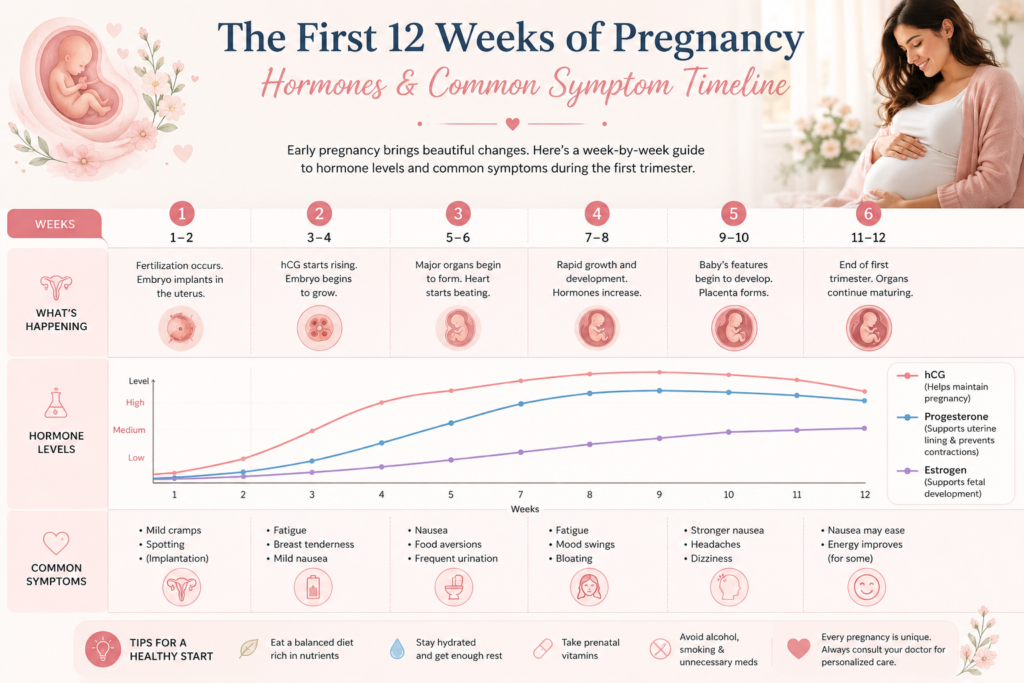
In the early weeks after conception, your body undergoes dramatic hormonal shifts, primarily driven by rising levels of human chorionic gonadotropin (hCG), progesterone, and estrogen. These hormones prepare your uterus for the growing baby while triggering various physical and emotional responses. Many early pregnancy symptoms mimic premenstrual signs, which is why they can sometimes go unnoticed at first.
Recognizing these changes early allows you to adopt healthier habits, manage discomforts, and consult a specialist promptly. Remember, while most symptoms are normal, certain ones warrant professional attention.
Most Common Physical Signs in Early Pregnancy
One of the earliest and most reliable early pregnancy symptoms is a missed period. For women with regular cycles, this often prompts the first suspicion of pregnancy. However, light spotting known as implantation bleeding can occur around the time of your expected period, appearing as light pink or brown discharge lasting a day or two.
Breast changes rank among the top noticeable shifts. Your breasts may become tender, swollen, or sensitive due to increased blood flow and hormonal preparation for breastfeeding. Nipples might darken, and veins may become more visible. These changes typically start within the first few weeks and may ease after the initial adjustment period.
Fatigue can hit hard and unexpectedly. Progesterone’s sedative effects combined with your body’s extra energy demands for building the placenta often leave you feeling exhausted. Prioritizing rest, eating nutrient-rich foods, and staying hydrated can help mitigate this common symptom.
Frequent urination is another classic sign. As blood volume increases, your kidneys work harder, leading to more trips to the bathroom, even at night. This usually continues or intensifies as the uterus grows.
Mild lower abdominal cramping similar to period cramps can occur as the embryo implants into the uterine lining. However, severe or persistent pain should always be evaluated by a doctor.
Digestive and Sensory Changes During Early Weeks
Morning sickness, which can actually strike at any time of day, affects a large percentage of women. Nausea and vomiting often begin around week 6 and are linked to rapidly rising hCG levels. While uncomfortable, it is generally a positive sign of a healthy pregnancy. Small, frequent meals, avoiding triggers, and ginger remedies often provide relief. In rare cases of hyperemesis gravidarum (severe vomiting), medical intervention is necessary.
Food cravings or aversions can surprise you. Certain smells or tastes that once appealed may now repel you, while others become irresistible. These shifts protect the developing baby from potentially harmful foods and are driven by hormonal fluctuations.
Bloating and constipation are frequent complaints. Progesterone relaxes smooth muscles, slowing digestion. Increased fiber intake, hydration, and gentle exercise like walking can help maintain regularity.
A heightened sense of smell often accompanies these digestive changes, making everyday odors more intense and sometimes triggering nausea.
Emotional, Hormonal, and Other Notable Symptoms
Pregnancy hormones can cause significant mood swings, ranging from joy and excitement to irritability or tears. These emotional roller coasters are normal but communicating with your partner and practicing self-care (meditation, light yoga) helps.
Headaches and dizziness may arise from hormonal changes, increased blood volume, or dehydration. Staying hydrated and maintaining stable blood sugar levels is key, but consult your doctor before taking any medication.
Increased vaginal discharge is usually thin, milky, and odorless (leukorrhea). It helps protect against infections but any foul-smelling, colored, or itchy discharge requires medical evaluation.
Skin changes, such as darkening of the areolas or the appearance of a faint linea nigra, may begin early as melanin production increases.
Other possible early pregnancy symptoms include mild backaches, heartburn, or metallic taste in the mouth. Not every woman experiences all 15, and some have very few symptoms—the absence of symptoms doesn’t necessarily indicate a problem.

Why Do Early Pregnancy Symptoms Occur?
After fertilization, the body undergoes significant hormonal changes. Hormones such as human chorionic gonadotropin (hCG), progesterone, and estrogen begin increasing rapidly. These hormonal shifts affect multiple body systems and lead to various physical and emotional symptoms.
Recognizing the 15 Early Pregnancy Symptoms Every Woman Should Know can help women distinguish pregnancy-related changes from normal menstrual cycle variations.
1. Missed Menstrual Period
A missed period is often considered one of the most common Early Pregnancy Symptoms and is usually the first sign that prompts women to suspect pregnancy. Women with regular menstrual cycles may become concerned when their expected period does not arrive on time. However, a missed period alone does not always confirm pregnancy, as factors such as stress, hormonal imbalances, sudden weight changes, excessive exercise, and certain medical conditions can also affect the menstrual cycle. Since it is among the most recognized Early Pregnancy Symptoms, taking a home pregnancy test after a missed period can provide an initial indication and help determine whether further medical consultation is needed.
2. Morning Sickness and Nausea
Morning sickness is one of the most recognized Early Pregnancy Symptoms, affecting many women during the first trimester. Despite its name, nausea can occur at any time of the day or night and may range from mild discomfort to frequent vomiting. Many women begin experiencing this symptom between the fourth and sixth week of pregnancy as hormone levels start rising rapidly. Along with nausea, some women develop a heightened sensitivity to smells, foods, perfumes, or cooking aromas that previously did not bother them. Since every pregnancy is unique, the severity and duration of this symptom vary greatly, making it one of the most common yet unpredictable Early Pregnancy Symptoms.
3. Fatigue and Extreme Tiredness
Feeling unusually tired is another important sign among the 15 Early Pregnancy Symptoms Every Woman Should Know.
Increased progesterone levels can make women feel sleepy and exhausted even after adequate rest. The body is working hard to support the growing embryo, resulting in increased energy demands.
Many women report fatigue as one of the earliest pregnancy indicators.
4. Breast Tenderness and Swelling
Breast tenderness is among the earliest and most noticeable Early Pregnancy Symptoms experienced by many women. Hormonal changes that occur soon after conception can cause the breasts to feel sore, swollen, heavier, fuller, or more sensitive than usual. Some women may also notice tingling sensations or discomfort when wearing certain clothing. In addition, the nipples may become darker, and the areolas may gradually enlarge as the body prepares for future breastfeeding. These physical changes are a natural response to increasing hormone levels and often appear within the first few weeks of pregnancy, making breast tenderness one of the most common Early Pregnancy Symptoms to recognize.
5. Frequent Urination
Frequent urination is one of the commonly experienced Early Pregnancy Symptoms and can begin surprisingly early in pregnancy. Many women notice an increased need to urinate even before they miss a period. This happens because hormonal changes and increased blood flow to the kidneys cause the body to process fluids more efficiently, resulting in greater urine production. As pregnancy progresses, the growing uterus may place additional pressure on the bladder, further increasing bathroom visits. If frequent urination occurs without symptoms such as pain, burning, or infection, it may be one of the natural Early Pregnancy Symptoms indicating that significant changes are taking place within the body.
6. Mood Swings
Rapid hormonal fluctuations can influence emotions and mental well-being.
Women may feel happy one moment and emotional or irritable the next. These mood changes are completely normal and often occur during the first trimester.
Emotional sensitivity is among the commonly reported 15 Early Pregnancy Symptoms Every Woman Should Know.
7. Food Cravings and Food Aversions
Changes in food preferences are among the most fascinating Early Pregnancy Symptoms experienced by many women. Pregnancy can significantly affect taste and smell, leading to sudden cravings for certain foods or strong aversions to foods that were once favorites. Some women may develop an intense desire for sweet, salty, spicy, or unusual food combinations, while others may find familiar foods unappealing. Additionally, strong odors from cooking, perfumes, or everyday items can trigger nausea or discomfort. These changes are primarily linked to hormonal fluctuations occurring during early pregnancy and are considered one of the most common Early Pregnancy Symptoms that women may notice.
8. Light Spotting or Implantation Bleeding
Light spotting, also known as implantation bleeding, is one of the lesser-known Early Pregnancy Symptoms that some women experience during the initial stages of pregnancy. It occurs when the fertilized egg attaches itself to the lining of the uterus, typically one to two weeks after conception. Unlike a regular menstrual period, implantation bleeding is usually much lighter in color and flow and lasts for a shorter duration. Some women may notice only a few drops of pink or brown spotting. Because it can occur around the expected time of a period, implantation bleeding is often mistaken for menstruation, making it an important Early Pregnancy Symptoms indicator to understand.
9. Mild Abdominal Cramping
Mild cramping is one of the Early Pregnancy Symptoms that some women may notice during the first few weeks after conception. These cramps are usually gentle and occur as the uterus begins to expand and adjust to support the developing pregnancy. The sensation may feel similar to mild menstrual cramps and is often accompanied by other Early Pregnancy Symptoms such as fatigue, breast tenderness, or nausea. In most cases, these cramps are a normal part of the body’s adaptation process. However, if the pain becomes severe, persistent, or is accompanied by heavy bleeding, it is important to seek immediate medical attention from a healthcare professional.
10. Increased Basal Body Temperature
A consistently elevated basal body temperature is considered one of the subtle yet important Early Pregnancy Symptoms, particularly for women who actively track their fertility cycles. After ovulation, basal body temperature naturally rises due to progesterone production. If pregnancy occurs, this temperature often remains elevated beyond the expected menstrual cycle instead of returning to normal levels. Many women who monitor their daily temperature notice this change even before experiencing other Early Pregnancy Symptoms such as nausea or breast tenderness. While an elevated basal body temperature alone cannot confirm pregnancy, it can serve as an early indicator and may prompt further testing for confirmation.
11. Bloating
Hormonal changes can slow digestion, causing bloating and abdominal discomfort.
Many women mistakenly assume bloating is related to their upcoming menstrual cycle when it may actually be an early pregnancy symptom.
Bloating is frequently included among the 15 Early Pregnancy Symptoms Every Woman Should Know.
12. Dizziness and Lightheadedness
Dizziness and lightheadedness are common Early Pregnancy Symptoms that many women experience during the first trimester. Hormonal changes can affect blood circulation and blood pressure, sometimes causing temporary feelings of weakness or unsteadiness. Women may feel dizzy when standing up quickly, spending long periods without eating, or becoming dehydrated. As the body works to support the developing baby, changes in blood flow can contribute to these sensations. While occasional dizziness is usually normal, it should not be ignored if it becomes severe or frequent. Maintaining proper hydration, eating balanced meals, and getting adequate rest can help manage these Early Pregnancy Symptoms effectively.
13. Headaches
Hormonal fluctuations, increased blood volume, and changes in circulation can contribute to headaches during early pregnancy.
While occasional headaches are common, persistent or severe headaches should be evaluated by a medical professional.
Maintaining hydration and getting adequate rest may help.
14. Constipation
Progesterone slows down the digestive system during pregnancy.
As a result, many women experience constipation, bloating, or digestive discomfort during the first trimester.
Eating fiber-rich foods and drinking plenty of water can improve digestive health.
15. Heightened Sense of Smell
An increased sensitivity to odors is one of the lesser-known but common pregnancy symptoms.
Certain perfumes, foods, smoke, or household products may suddenly seem overwhelming.
This heightened sense of smell often contributes to nausea and food aversions.
When Should You Take a Pregnancy Test?
Although symptoms provide clues, a pregnancy test remains the most reliable initial confirmation method.
Most home pregnancy tests provide accurate results after a missed period. Testing too early may produce false-negative results due to insufficient hCG levels.
If the result is positive, schedule an appointment with a qualified gynaecologist for confirmation and prenatal guidance.
When to Seek Medical Advice for Early Pregnancy Symptoms
While most symptoms are benign, contact your healthcare provider if you experience severe abdominal pain, heavy bleeding, persistent vomiting preventing fluid intake, dizziness with fainting, severe headaches, vision changes, or signs of urinary tract infection. Early prenatal care ensures the best outcomes for you and your baby.
When Should You Consult a Gynaecologist?
Women should seek medical attention if they experience:
- A positive pregnancy test
- Severe abdominal pain
- Heavy bleeding
- Persistent vomiting
- Extreme dizziness
- Unusual symptoms causing concern
Early prenatal care helps ensure the health of both the mother and the baby.
Expert Pregnancy Care in Dwarka, New Delhi

For expert guidance regarding pregnancy, fertility concerns, prenatal care, and women’s health, consult:
Dr. Jasleen Kaur Malhotra
Gynaecologist, Obstetrician & Infertility Specialist
📍 Address: Clinic No. 56A, Behind Main Market, Sector 6, Dwarka, New Delhi – 110075
📞 Phone: +91-99105-52246
🌐 Website: gynaefemmewellnessdwarka.com
With extensive experience in women’s healthcare, Dr. Jasleen Kaur Malhotra provides personalized pregnancy care, infertility treatment, antenatal consultations, and comprehensive gynaecological services.
Frequently Asked Questions (FAQs)
1. How soon can pregnancy symptoms start?
Some women may notice symptoms as early as one to two weeks after conception, while others may not experience noticeable symptoms until several weeks later.
2. Can I be pregnant even if I don’t have all the symptoms?
Yes. Every pregnancy is unique. Some women experience multiple symptoms, while others have very few signs during early pregnancy.
3. Is a missed period always a sign of pregnancy?
Not necessarily. Stress, hormonal changes, excessive exercise, and certain medical conditions can also cause missed periods. A pregnancy test and medical consultation are recommended for confirmation.
Conclusion
Understanding the 15 Early Pregnancy Symptoms Every Woman Should Know empowers women to recognize potential signs of pregnancy and seek timely medical advice. While symptoms such as fatigue, nausea, breast tenderness, and missed periods are common indicators, every woman’s experience is unique.
If you suspect pregnancy or need expert guidance regarding reproductive health, early consultation with a qualified specialist can ensure the best possible care. Timely diagnosis, proper prenatal support, and professional medical supervision contribute significantly to a healthy pregnancy journey for both mother and baby.