
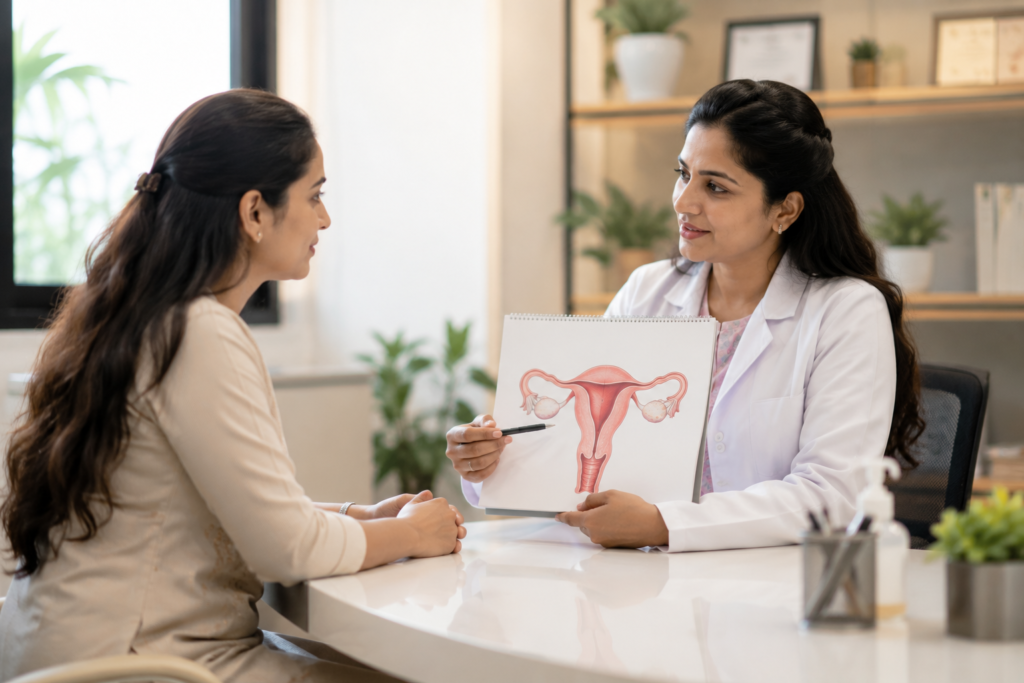
Women’s health needs evolve throughout different stages of life, from adolescence and reproductive years to pregnancy, menopause, and beyond. Regular gynecological care plays a vital role in maintaining overall well-being, detecting health concerns early, and providing guidance on reproductive and hormonal health. For many women, finding a Female Gynecologist Near Me offers an added sense of comfort, privacy, and confidence during consultations and examinations.
Choosing a gynecologist is a personal decision. While both male and female gynecologists are highly qualified to provide expert medical care, some women feel more comfortable discussing intimate health concerns with a female doctor. This comfort can encourage open conversations about menstrual health, fertility, pregnancy, contraception, menopause, sexual wellness, and other sensitive topics that might otherwise be difficult to discuss.
In today’s busy lifestyle, convenience also matters. Searching for a Female Gynecologist Near Me helps patients access timely healthcare without long travel times. Easy access to regular check-ups increases the likelihood of preventive screenings, follow-up appointments, and consistent medical care, all of which contribute to better long-term health outcomes.
Comfort during medical appointments often improves communication. Patients who feel relaxed are more likely to ask questions, describe symptoms accurately, and follow medical advice. A Female Gynecologist Near Me can help create a supportive environment where women feel heard, respected, and actively involved in decisions about their healthcare.
The following sections explain what a Female Gynecologist Near Me does, why regular gynecological care is important, common reasons women seek consultation, and how preventive healthcare supports lifelong wellness.
Table of Contents
What is a Female Gynecologist Near Me?
A Female Gynecologist Near Me refers to a qualified medical doctor specializing in women’s reproductive health who practices in a convenient nearby location. These specialists diagnose, treat, and help prevent conditions affecting the female reproductive system while providing routine preventive care and health education.
A gynecologist commonly provides care for:
- Routine gynecological examinations
- Menstrual disorders
- Pregnancy planning and prenatal care
- Family planning and contraception
- Polycystic ovary syndrome (PCOS)
- Endometriosis
- Menopause management
- Cervical cancer screening
- Pelvic pain evaluation
- Vaginal infections and reproductive health concerns
Each consultation is personalized based on the patient’s age, medical history, symptoms, and healthcare goals.
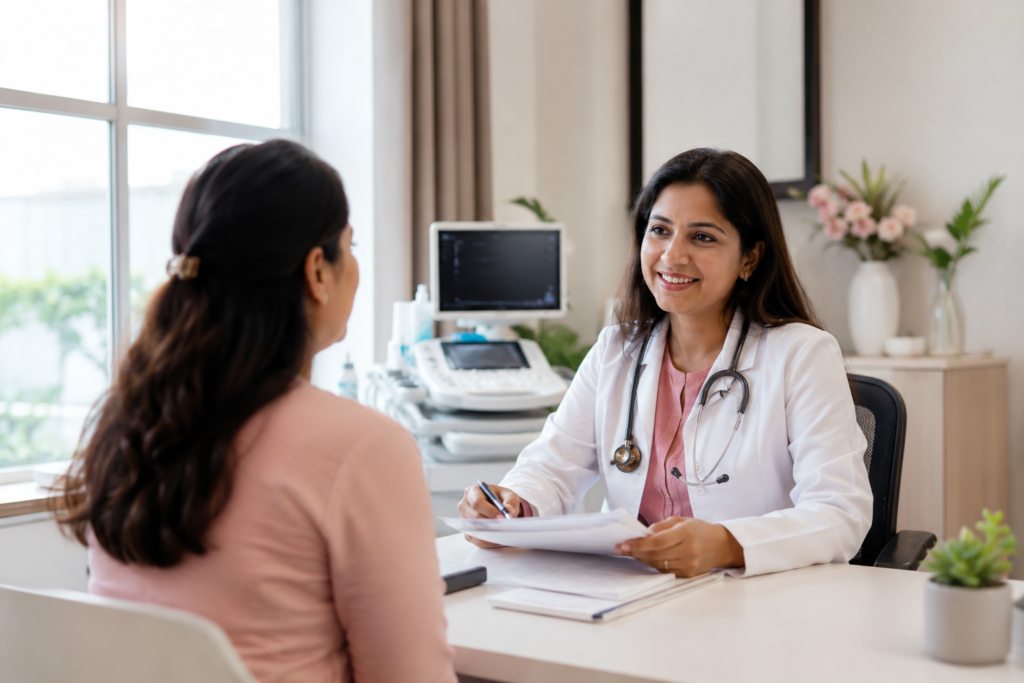
Common Signs You Should Visit a Gynecologist
Routine check-ups are recommended even without symptoms, but certain concerns should prompt a medical consultation.
Irregular Menstrual Cycles
Periods that are unusually heavy, very painful, unpredictable, or absent may require medical evaluation.
Persistent Pelvic Pain
Ongoing pelvic discomfort should not be ignored, as it may indicate an underlying gynecological condition.
Unusual Vaginal Discharge
Changes in color, odor, or consistency, especially when accompanied by itching or discomfort, should be assessed by a healthcare professional.
Pain During Intercourse
Persistent pain during sexual activity may have several possible medical causes that deserve evaluation.
Difficulty Becoming Pregnant
Couples trying to conceive without success may benefit from an assessment to identify possible contributing factors.
Menopause-Related Symptoms
Hot flashes, night sweats, mood changes, sleep disturbances, or vaginal dryness can often be managed with appropriate medical guidance.
Breast or Reproductive Health Concerns
Any unusual breast changes, pelvic lumps, abnormal bleeding, or persistent discomfort should be evaluated promptly.
Common Reasons Women Search for a Female Gynecologist Near Me
Greater Comfort During Consultations
Many women feel more at ease discussing personal health concerns with a female gynecologist.
Preventive Health Screenings
Regular examinations and cervical cancer screening help identify potential health issues early.
Pregnancy and Family Planning
Women seek professional guidance before conception, throughout pregnancy, and after childbirth.
Menstrual and Hormonal Concerns
Irregular periods, PCOS, hormonal imbalances, and menopause-related symptoms are common reasons for consultation.
Ongoing Women’s Healthcare
Routine gynecological care supports reproductive health, preventive medicine, and overall well-being throughout every stage of life.
11 Benefits of Choosing a Female Gynecologist Near Me
1. Comfortable and Open Communication
Many women find it easier to discuss sensitive topics such as menstrual health, pregnancy, fertility, sexual wellness, or menopause with a Female Gynecologist Near Me. Feeling comfortable during consultations often leads to more honest conversations and better healthcare decisions.
2. Personalized Women’s Healthcare
Every woman has unique healthcare needs based on her age, medical history, lifestyle, and reproductive goals. A gynecologist develops individualized care plans that may include preventive screenings, treatment options, and lifestyle recommendations tailored to each patient.
3. Early Detection of Health Conditions
Routine gynecological examinations help identify conditions such as cervical abnormalities, ovarian cysts, uterine fibroids, infections, or hormonal disorders before they become more serious. Early diagnosis often allows for more effective treatment.
4. Expert Menstrual Health Management
Heavy bleeding, painful periods, irregular cycles, or missed periods can significantly affect daily life. A Female Gynecologist Near Me can evaluate these symptoms, determine possible causes, and recommend appropriate treatment based on individual needs.
5. Pregnancy Planning and Prenatal Care
Women planning a pregnancy benefit from preconception counseling, nutritional guidance, and health assessments. During pregnancy, regular prenatal visits help monitor both maternal and fetal health while addressing concerns as they arise.
6. Guidance on Family Planning
Gynecologists provide information about contraceptive options, fertility awareness, and reproductive planning. Personalized counseling helps women choose methods that align with their health status and future family goals.
7. Support for Menopause Management
Hormonal changes during menopause may lead to symptoms such as hot flashes, sleep disturbances, mood changes, and vaginal dryness. Professional guidance can help women manage these changes while maintaining their quality of life.
8. Better Preventive Healthcare
Preventive care includes cervical cancer screening, HPV vaccination guidance, breast health education, and routine pelvic examinations. These services support long-term reproductive and overall health.
9. Treatment for Common Gynecological Conditions
Conditions such as polycystic ovary syndrome (PCOS), endometriosis, uterine fibroids, vaginal infections, and pelvic inflammatory disease require accurate diagnosis and evidence-based management. Regular follow-up ensures ongoing care when needed.
10. Confidential and Compassionate Care
A trusted Female Gynecologist Near Me creates a respectful and confidential environment where patients feel comfortable asking questions and discussing concerns without fear of judgment.
11. Lifelong Women’s Health Support
Gynecological care extends beyond pregnancy and childbirth. From adolescence through menopause and healthy aging, regular consultations help women maintain reproductive health and receive timely medical advice at every stage of life.
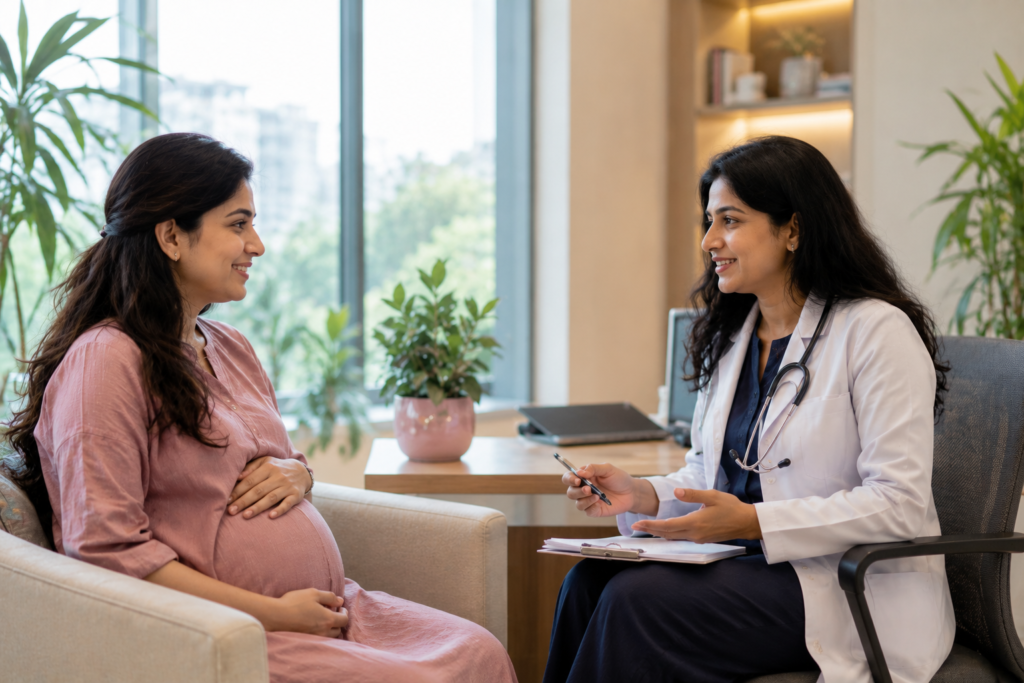
What Happens During a Gynecology Appointment?
Knowing what to expect can help reduce anxiety, especially for first-time patients.
Medical History Discussion
The appointment usually begins with questions about your menstrual cycle, previous pregnancies, medications, surgeries, family medical history, and current symptoms. Honest answers help the doctor understand your overall health.
Discussion of Health Concerns
Patients can discuss issues such as irregular periods, pelvic pain, contraception, fertility, menopause, urinary symptoms, or sexual health. This is also an opportunity to ask questions about preventive care.
Physical Examination
Depending on your age, symptoms, and reason for the visit, the doctor may perform a general physical examination and, if appropriate, a pelvic examination. The doctor explains each step before proceeding and obtains your consent.
Recommended Screening Tests
When medically indicated, the gynecologist may recommend tests such as a Pap smear, HPV screening, blood tests, ultrasound, or other investigations based on your symptoms and health history.
Treatment and Follow-Up Plan
After reviewing the findings, the doctor discusses possible diagnoses, treatment options, lifestyle recommendations, medications if needed, and any follow-up appointments or additional investigations.
Tips for Choosing the Right Female Gynecologist Near Me
Selecting the right specialist can make a significant difference in your healthcare experience.
Verify Qualifications
Choose a board-certified or appropriately licensed gynecologist with recognized medical training and relevant experience.
Consider Clinical Experience
A doctor experienced in managing your specific concerns—such as pregnancy, infertility, PCOS, or menopause—can provide more personalized care.
Read Patient Reviews
Patient feedback may provide insights into communication style, appointment experience, clinic environment, and overall satisfaction. Reviews should be considered alongside professional qualifications.
Evaluate Accessibility
Choose a clinic that is conveniently located and offers appointment times that fit your schedule. Easy access encourages regular follow-up visits.
Assess Communication Style
A good gynecologist listens carefully, explains medical information clearly, answers questions patiently, and encourages shared decision-making.
Look for Comprehensive Services
A clinic offering preventive care, diagnostic testing, pregnancy care, menopause management, and routine screenings can provide continuity of care throughout different life stages.
Prioritize Your Comfort
Feeling respected, heard, and comfortable during consultations is essential. Trust your instincts when selecting a healthcare provider.
Daily Habits That Support Women’s Reproductive Health
Healthy lifestyle choices complement regular medical care and contribute to overall well-being.
Schedule Regular Check-Ups
Routine visits to a Female Gynecologist Near Me help monitor reproductive health and identify potential concerns early.
Eat a Balanced Diet
A diet rich in fruits, vegetables, whole grains, lean proteins, and calcium supports hormonal balance, bone health, and overall wellness.
Stay Physically Active
Regular exercise helps maintain a healthy weight, improves cardiovascular health, and may reduce the risk of certain gynecological conditions.
Practice Good Personal Hygiene
Maintaining proper intimate hygiene while avoiding harsh products can help reduce irritation and lower the risk of some infections.
Monitor Menstrual Health
Keeping track of your menstrual cycle can help identify changes that may require medical evaluation.
Get Enough Sleep
Quality sleep supports hormone regulation, immune function, and emotional well-being.
Don’t Ignore Persistent Symptoms
Seek medical advice if you experience abnormal bleeding, severe pelvic pain, unusual discharge, or other ongoing symptoms. Early evaluation often leads to more effective treatment.

Common Myths About Visiting a Gynecologist
Myth 1: You only need a gynecologist during pregnancy.
Fact: Women benefit from routine gynecological care throughout every stage of life. Regular visits help with preventive screenings, menstrual health, contraception, menopause management, and early detection of health conditions.
Myth 2: Only women with symptoms should see a gynecologist.
Fact: Preventive check-ups are just as important as visits for symptoms. A Female Gynecologist Near Me can identify potential health concerns before they become more serious, often improving treatment outcomes.
Myth 3: Gynecological examinations are always painful.
Fact: Most routine examinations cause little to no discomfort. Gynecologists explain each step, obtain consent, and make every effort to ensure patients feel comfortable throughout the appointment.
Myth 4: Menstrual pain is always normal.
Fact: Mild discomfort during menstruation is common, but severe pain, heavy bleeding, or irregular cycles may indicate an underlying condition that should be medically evaluated.
Myth 5: Young women don’t need gynecological care.
Fact: Adolescents and young adults may benefit from gynecological consultations for menstrual concerns, reproductive health education, HPV vaccination guidance, and preventive healthcare.
Frequently Asked Questions
1. When should I visit a Female Gynecologist Near Me for the first time?
Women should consider visiting a gynecologist during their teenage years if they have menstrual concerns or as recommended by their healthcare provider. Adults should schedule regular preventive check-ups and seek medical attention whenever they experience reproductive health symptoms or have questions about contraception, fertility, or pregnancy.
2. How often should I see a Female Gynecologist Near Me?
The frequency of visits depends on your age, medical history, and individual health needs. Many women benefit from annual gynecological check-ups, while others may require more frequent appointments based on pregnancy, ongoing medical conditions, or specific treatment plans.
3. What should I bring to my gynecology appointment?
Bring your medical records if available, a list of current medications, details about your menstrual cycle, previous pregnancies or surgeries, and any questions or symptoms you want to discuss. This information helps the gynecologist provide personalized care.
4. Can a gynecologist help with fertility concerns?
Yes. Gynecologists evaluate factors that may affect fertility, recommend appropriate investigations, provide treatment when possible, and refer patients to fertility specialists if advanced reproductive care is needed.
5. Is it normal to feel nervous before a gynecology visit?
Yes. Many women feel anxious, especially during their first appointment. A qualified gynecologist understands these concerns, explains procedures clearly, answers questions patiently, and works to ensure patients feel comfortable throughout the consultation.
6. Why choose a Female Gynecologist Near Me instead of traveling farther?
Choosing a nearby specialist makes routine check-ups, follow-up visits, pregnancy care, and ongoing treatment more convenient. Easier access encourages consistent healthcare, which supports better long-term reproductive and overall health.
Final Thoughts
Women’s health deserves consistent attention at every stage of life. Regular gynecological care supports not only reproductive health but also overall well-being through preventive screenings, education, and timely medical guidance. Choosing a Female Gynecologist Near Me can help many women feel more comfortable discussing personal health concerns, leading to open communication and informed healthcare decisions. Prioritizing routine check-ups today can contribute to healthier outcomes in the future.
Conclusion
Maintaining good reproductive health requires more than seeking medical care only when symptoms appear. Regular gynecological visits provide valuable opportunities for preventive screenings, early diagnosis, health education, and personalized guidance that support women through adolescence, reproductive years, pregnancy, menopause, and beyond. Building a long-term relationship with a trusted healthcare provider encourages continuity of care and better health management.
A Female Gynecologist Near Me offers compassionate, patient-centered care while addressing a wide range of women’s health concerns, including menstrual disorders, pregnancy planning, fertility issues, hormonal changes, menopause management, and preventive screenings. Feeling comfortable with your healthcare provider often encourages honest conversations, helping doctors make accurate assessments and recommend evidence-based treatments tailored to individual needs.
Every woman’s healthcare journey is unique, and choosing the right gynecologist is an important decision. Consider factors such as qualifications, experience, communication style, accessibility, and personal comfort when selecting a provider. By combining routine medical check-ups with healthy lifestyle habits and timely professional advice, women can take proactive steps toward maintaining lifelong reproductive health and overall wellness.
Contact Information

Dr. Jasleen Kaur Malhotra
Gynaecologist, Obstetrician & Infertility Specialist
📍 Address: Clinic No. 56A, Behind Main Market, Sector 6, Dwarka, New Delhi – 110075
📞 Phone: +91-99105-52246
🌐 Website: gynaefemmewellnessdwarka.com