
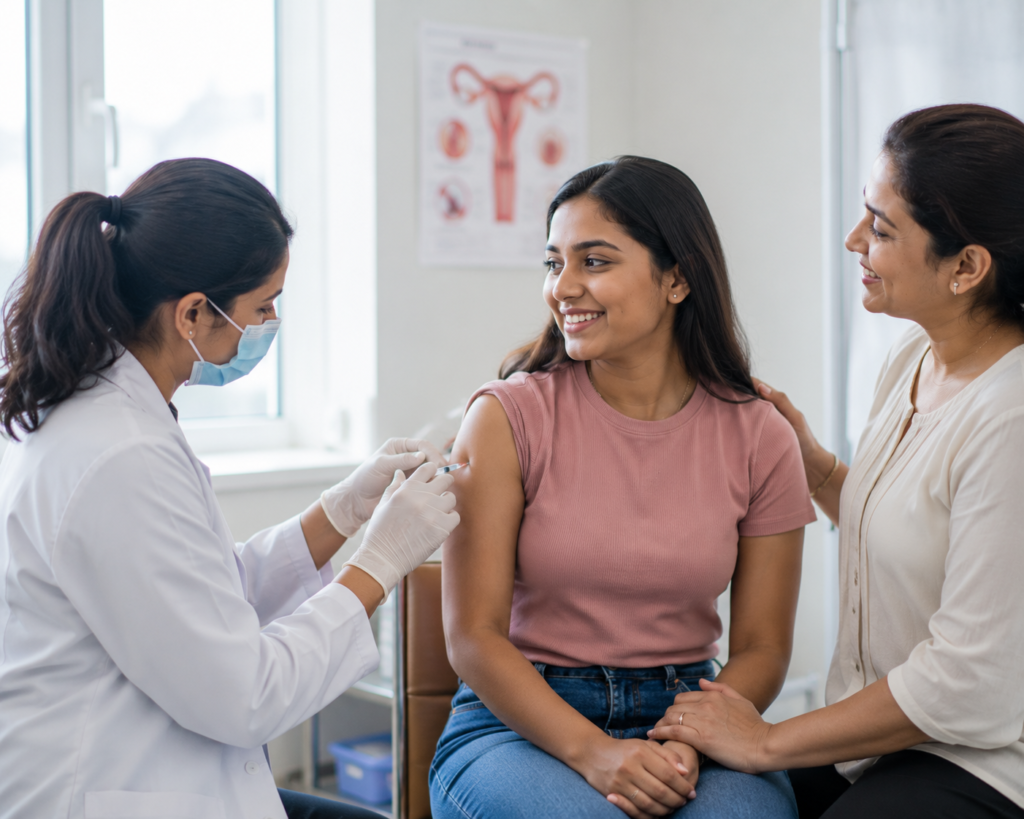
Human papillomavirus, commonly known as HPV, is one of the most widespread viral infections transmitted through intimate skin-to-skin contact. Certain types of HPV can cause genital warts, while others are associated with several types of cancer. Because infection can occur without obvious symptoms, prevention plays an important role in protecting long-term health. HPV Vaccination in Dwarka is an important preventive healthcare option for eligible children, adolescents, young adults, and others who may benefit from vaccination after discussing their circumstances with a qualified healthcare professional.
HPV vaccination in Dwarka works by helping the immune system develop protection against specific HPV types before exposure occurs. Vaccination does not treat an existing HPV infection, and it does not eliminate the need for appropriate screening later in life. Instead, it is part of a broader preventive approach that can include vaccination, regular healthcare visits, and recommended screening.
Table of Contents
What Is HPV and Why Does Prevention Matter?
HPV Vaccination in Dwarka refers to a large group of related viruses. Many HPV infections do not cause noticeable symptoms and may clear naturally through the body’s immune response. However, certain types can persist and contribute to health problems.
Some HPV Vaccination in Dwarka types are linked to cancers affecting the cervix, anus, penis, vulva, vagina, and throat. Other types can cause genital warts. The presence of HPV does not mean that a person will develop cancer, but persistent infection with certain high-risk types can increase the risk of cellular changes over time.
Choosing HPV Vaccination in Dwarka can therefore be an important preventive decision for eligible individuals and families looking to understand their vaccination options.

7 Benefits of HPV Vaccination in Dwarka
1. Helps Prevent HPV-Related Diseases
The primary purpose of HPV Vaccination in Dwarka vaccination is prevention. Depending on the vaccine used, vaccination can protect against several HPV types associated with cervical cancer, other cancers, and genital warts.
The immune response developed after vaccination can help the body recognize and respond to targeted HPV types if exposure occurs later.
HPV Vaccination in Dwarka cannot guarantee complete protection against every HPV type. However, it can significantly strengthen prevention against the types covered by the vaccine.
2. Provides Important Protection Before Exposure
HPV vaccination generally provides the greatest preventive benefit when given before a person is exposed to HPV.
This is one reason health authorities commonly recommend vaccination during childhood or adolescence. Vaccination at an appropriate age allows the immune system to develop protection before potential future exposure.
Parents may therefore discuss HPV Vaccination in Dwarka with a pediatrician or other qualified healthcare provider when their child reaches the recommended age.
However, being older does not automatically mean vaccination is irrelevant. Some adolescents and adults who were not vaccinated earlier may still be eligible depending on age and individual circumstances.
3. Supports Cervical Cancer Prevention
One of the most important reasons HPV vaccination receives attention is its role in preventing HPV infections associated with cervical cancer.
Persistent infection with certain high-risk HPV types can cause changes in cervical cells. Over time, some of these changes can progress toward cancer if they are not identified and managed.
Vaccination can reduce the risk of infection from HPV types included in the vaccine.
However, HPV Vaccination in Dwarka does not replace cervical cancer screening. People who are eligible for screening should continue following recommended screening schedules even after vaccination.
Combining vaccination with appropriate screening provides a stronger preventive approach than relying on either measure alone.
4. Can Protect Against Other HPV-Related Cancers
HPV is not associated only with cervical cancer. Certain HPV types are also linked to cancers affecting other areas of the body.
These can include cancers of the anus, penis, vulva, vagina, and oropharyngeal region.
Because HPV-related disease can affect people of different sexes, HPV vaccination is relevant to more than one population.
Parents sometimes assume the vaccine is exclusively for girls because of its connection with cervical cancer prevention. In reality, vaccination can provide benefits for boys and men as well, including protection against certain HPV-related diseases and helping reduce transmission.
If you are considering HPV Vaccination in Dwarka, ask a qualified healthcare professional whether vaccination is appropriate based on age and individual circumstances.
5. Offers a Preventive Option for Adolescents
Adolescence is an important period for preventive healthcare. Alongside routine immunizations, nutrition, physical activity, dental care, and regular medical check-ups, HPV vaccination can form part of age-appropriate health planning.
Parents may hesitate because their child may not currently have any symptoms. However, vaccines are designed primarily for prevention rather than treatment.
A child does not need to have an HPV infection for vaccination to be useful.
Healthcare professionals can explain why the vaccine is recommended at particular ages and how the schedule is determined.
Having an open, age-appropriate conversation can also help adolescents understand that vaccination is a routine healthcare decision rather than something associated with stigma.
6. Helps Reduce Future Health Risks
Preventive medicine focuses on reducing the likelihood of future disease rather than waiting for symptoms to appear.
HPV infection can be difficult to identify because many people do not know they have it. A person may feel completely healthy while carrying an HPV type that could potentially cause problems later.
Vaccination offers an opportunity to reduce certain future risks before infection occurs.
This does not mean that every vaccinated person will avoid every HPV-related condition. The vaccine has defined coverage, and individual responses can vary.
Nevertheless, vaccination can be a valuable preventive measure when recommended by a healthcare professional.
7. Encourages Better Preventive Healthcare Awareness
A discussion about HPV vaccination can lead to broader conversations about preventive healthcare.
Parents may become more aware of recommended immunizations, adolescents may become more comfortable discussing health questions, and adults may better understand the importance of regular medical screening.
Healthcare is not only about treating illness. Prevention, early detection, and informed decision-making are equally important.
For many families, learning about HPV Vaccination in Dwarka can be the beginning of a broader conversation about age-appropriate preventive care.
Who Should Consider HPV Vaccination?
Eligibility and recommended schedules depend on age, previous vaccination, health circumstances, and the guidelines followed by the healthcare provider.
HPV vaccination is commonly recommended during adolescence because protection is most beneficial before potential exposure.
People who missed routine vaccination may still be able to receive catch-up vaccination within recommended age ranges.
For adults outside routine vaccination ages, the potential benefit may depend on individual circumstances and previous exposure. Vaccination decisions should therefore be discussed with a healthcare professional rather than based solely on age.
A doctor can review vaccination history and explain whether additional doses are appropriate.

What Is the HPV Vaccine Schedule?
The number and timing of HPV vaccine doses can vary depending on the age at which vaccination begins and the applicable medical guidelines.
Younger individuals may follow a different schedule from those who begin vaccination at an older age. People with certain medical conditions may also have specific recommendations.
This is why families should avoid copying another person’s vaccination schedule.
A healthcare professional can provide the appropriate schedule and explain when subsequent doses should be taken.
Keeping vaccination records is also helpful. If someone has received a previous dose, the record can help the healthcare provider determine what remains to be completed.
When arranging HPV Vaccination in Dwarka, ask the provider to clearly explain the dose schedule and any recommended follow-up.
Is HPV Vaccination Safe?
Vaccines are carefully evaluated for safety before they are approved for use, and their safety continues to be monitored afterward.
HPV vaccines have been administered to millions of people globally. Like other vaccines, they can cause side effects.
Common reactions may include pain, redness, or swelling at the injection site. Some people may experience mild fever, headache, tiredness, or other temporary symptoms.
Severe allergic reactions are uncommon but can occur with any vaccine. Healthcare facilities generally have procedures for recognizing and managing immediate reactions.
People should inform their healthcare provider about allergies, previous vaccine reactions, current medical conditions, pregnancy, or other relevant circumstances before vaccination.
If you are concerned about a possible side effect after HPV Vaccination in Dwarka, contact your healthcare provider for appropriate advice rather than relying on online information.
Common Myths About HPV Vaccination
Myth 1: The Vaccine Causes HPV Infection
HPV vaccines do not contain live HPV capable of causing an HPV infection. They work by stimulating an immune response against specific HPV types.
Myth 2: Vaccination Means Screening Is No Longer Necessary
This is incorrect. HPV vaccination does not protect against every HPV type and does not replace recommended cervical cancer screening.
Myth 3: Only Females Need the Vaccine
HPV can affect people of different sexes. Depending on age and guidelines, vaccination can be recommended for both girls and boys and may benefit eligible adults.
Myth 4: Vaccination Treats Existing HPV
HPV vaccination is preventive. It does not treat an HPV infection that someone already has.
Myth 5: Healthy People Do Not Need It
Vaccines are primarily preventive. A person does not need symptoms or an existing illness for a preventive vaccine to be beneficial.
Understanding these facts can make conversations about HPV Vaccination in Dwarka more informed and less influenced by misconceptions.
What Should Parents Know Before Vaccination?
Parents may have questions about whether their child really needs the vaccine, how many doses are required, and whether side effects are possible.
A consultation with a qualified healthcare professional can address these concerns individually.
Parents should provide accurate information about the child’s medical history, allergies, previous vaccination, and current health status.
It is also useful to maintain a vaccination record so that future healthcare providers can easily determine which doses have already been administered.
Parents should avoid delaying vaccination solely because the child currently feels healthy. Preventive vaccines are intended to provide protection before disease occurs.
If your child is approaching the recommended vaccination age, discussing HPV Vaccination in Dwarka with a healthcare provider can help you understand the appropriate timing.
HPV Vaccination for Adults
Adults sometimes assume that vaccination is only useful during adolescence. While early vaccination provides important preventive advantages, some adults who were not vaccinated previously may still be candidates for vaccination.
The decision becomes more individualized with age.
Previous HPV exposure, relationship circumstances, vaccination history, health status, and expected benefit can all be relevant.
A healthcare provider can explain whether vaccination is likely to offer meaningful protection in a particular situation.
Adults should not assume that previous HPV exposure means vaccination can never be useful. At the same time, vaccination should not be presented as a treatment for an existing infection.
An individualized consultation is the best way to understand the potential role of HPV Vaccination in Dwarka for an adult.
HPV Vaccination and Cervical Screening
Vaccination and screening serve different purposes.
The vaccine helps prevent infection from targeted HPV types. Screening aims to identify abnormal cervical changes or HPV-related risk before cancer develops.
Because vaccination does not cover every cancer-causing HPV type, eligible individuals should continue recommended screening.
Following both preventive measures can provide broader protection.
Healthcare providers can explain the appropriate screening method and schedule according to age, medical history, and applicable guidelines.
People should also discuss unusual symptoms with a healthcare professional rather than waiting for their next routine screening appointment.

How to Prepare for an HPV Vaccine Appointment
Preparation is usually straightforward.
Before the appointment, make sure you know the individual’s previous vaccination history if available. Bring relevant medical records and inform the healthcare provider about allergies or previous vaccine reactions.
You can also prepare questions.
For example:
- Which HPV vaccine is recommended?
- How many doses are required?
- When should the next dose be given?
- What side effects should we expect?
- Are there any reasons vaccination should be delayed?
- Does the person need any other vaccines?
- What preventive screening will be needed later?
Having these questions ready can make the consultation more productive.
If you are arranging HPV Vaccination in Dwarka, choosing a qualified healthcare facility with appropriate vaccination procedures can also provide reassurance.
What to Expect After Vaccination
Most people can continue normal activities after vaccination unless their healthcare provider advises otherwise.
Mild discomfort at the injection site is possible. Some individuals may feel tired or experience other temporary symptoms.
Following the provider’s instructions is important.
If a concerning or severe reaction occurs, seek medical attention promptly.
It is also important to complete the recommended vaccine schedule if multiple doses are required. Receiving only the first dose when additional doses are recommended may mean that the vaccination course has not been completed.
Keeping reminders for future doses can help families stay on schedule.
Choosing a Healthcare Provider in Dwarka
When looking for vaccination services, consider whether the healthcare provider follows appropriate vaccine storage and administration procedures.
You can ask about the professional’s qualifications, vaccination availability, appointment process, and documentation.
For children and adolescents, a pediatrician may be able to discuss vaccination alongside other age-specific preventive care.
For adults, a physician or other qualified healthcare professional can review medical history and vaccination needs.
The quality of the consultation matters as much as convenience. A good healthcare professional should be willing to answer questions and explain benefits, limitations, possible side effects, and the recommended schedule.
Families considering HPV Vaccination in Dwarka should prioritize qualified medical guidance over unverified online claims.
Why Timely Preventive Care Matters
Preventive healthcare often works best when it is planned rather than delayed.
Vaccination schedules exist for specific reasons, and missing an appropriate window can sometimes reduce the simplicity or potential benefit of routine vaccination.
However, a missed vaccination does not necessarily mean that someone has permanently missed the opportunity. Catch-up options may be available depending on age and circumstances.
Rather than assuming that it is too late, discuss the situation with a healthcare professional.
Parents should also avoid comparing their child’s schedule with friends or relatives because vaccination recommendations can differ according to age and medical circumstances.
Frequently Asked Questions
What is HPV Vaccination in Dwarka?
It refers to receiving an HPV vaccine through an appropriate healthcare provider in Dwarka. The vaccine is designed to help prevent infection from specific HPV types associated with certain cancers and other conditions.
At what age should HPV vaccination be given?
Routine vaccination is commonly recommended during adolescence, but the appropriate age and schedule depend on applicable guidelines and individual circumstances. A healthcare professional can provide age-specific advice.
Can adults receive the HPV vaccine?
Some adults who were not vaccinated earlier may still be eligible. The potential benefit depends on individual circumstances, including age and previous vaccination or exposure. A healthcare professional should guide the decision.
Does the HPV vaccine treat an existing infection?
No. HPV vaccination is preventive and does not treat an HPV infection that is already present.
Does HPV vaccination eliminate the need for cervical screening?
No. Vaccination does not protect against every HPV type, so eligible individuals should continue recommended cervical screening.
Are there side effects after the vaccine?
Temporary reactions such as injection-site soreness, redness, mild fever, headache, or tiredness can occur. Serious reactions are uncommon. Discuss individual concerns with your healthcare provider.
Can boys receive HPV vaccination?
Yes. HPV can affect people of different sexes, and vaccination may be recommended for boys as well as girls depending on age and applicable guidelines.
How many doses are needed?
The number of doses depends on factors such as the age when vaccination begins and relevant medical recommendations. Your healthcare provider can provide the appropriate schedule.
Is HPV vaccination useful if someone is already sexually active?
Potential benefit can vary because previous exposure to HPV may have occurred. However, some people may still benefit from protection against HPV types they have not encountered. Discuss individual circumstances with a healthcare professional.
What should I do if a vaccine dose was missed?
Do not assume that the vaccination course needs to be restarted. Contact the healthcare provider and provide the previous vaccination record so they can advise on the appropriate next step.
Conclusion
HPV vaccination is an important part of preventive healthcare because certain HPV types can contribute to cancers and other health conditions. Vaccination can help reduce the risk associated with specific HPV types, particularly when administered before exposure.
For families and individuals exploring HPV Vaccination in Dwarka, the most important step is to seek advice from a qualified healthcare professional who can assess age, vaccination history, medical circumstances, and applicable recommendations.
The vaccine does not treat an existing HPV infection and does not replace recommended screening. Instead, it works alongside other preventive measures to support long-term health.
Parents can discuss vaccination with their child’s healthcare provider during routine preventive visits, while eligible adults who missed vaccination earlier can ask whether catch-up or individual vaccination may be appropriate.
Making informed decisions, keeping vaccination records, completing recommended doses, and following screening guidance can all contribute to effective preventive care. With accurate information and professional guidance, families can approach HPV vaccination with greater confidence and clarity.
Contact Information

Dr. Jasleen Kaur Malhotra
Gynaecologist, Obstetrician & Infertility Specialist
📍 Address: Clinic No. 56A, Behind Main Market, Sector 6, Dwarka, New Delhi – 110075
📞 Phone: +91-99105-52246
🌐 Website: gynaefemmewellnessdwarka.com