
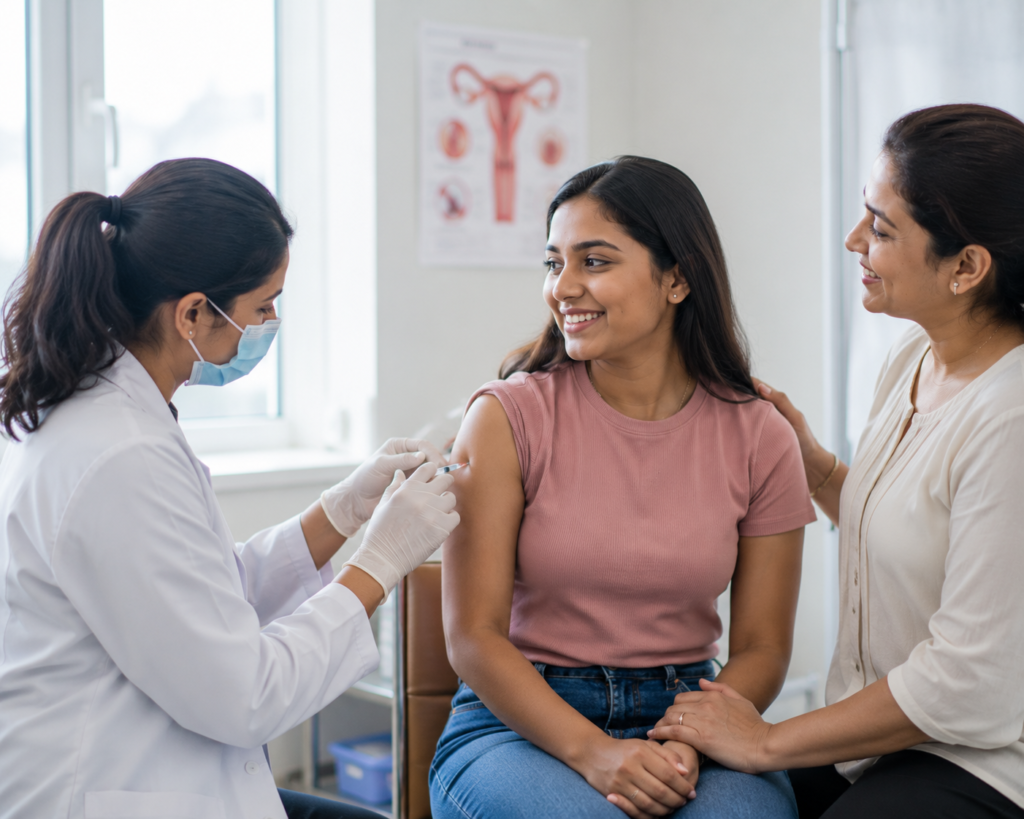
Human papillomavirus (HPV) is one of the most common viral infections worldwide. Many people become infected at some point in their lives, often without knowing it because the infection may not cause noticeable symptoms. While many HPV infections clear on their own, certain high-risk types can persist and increase the risk of developing several cancers, including cervical, anal, penile, vaginal, vulvar, and some head and neck cancers. This makes prevention an important part of long-term health.
As awareness grows, many families are searching for reliable information about HPV Vaccination in Dwarka. Parents want to understand when their children should receive the vaccine, adults want to know whether they are still eligible, and many individuals have questions about safety, effectiveness, and the vaccination schedule. Having accurate, evidence-based information helps people make informed healthcare decisions.
For residents considering HPV Vaccination in Dwarka, accessibility to experienced healthcare providers and vaccination services has made preventive care more convenient than ever. Receiving guidance from a qualified doctor ensures that the vaccine is administered according to current recommendations and individual health needs.
Choosing HPV Vaccination in Dwarka is not simply about receiving an injection; it is about making a long-term investment in health. By understanding who should receive the vaccine, how it works, and why timely vaccination matters, individuals and families can make confident, informed decisions.
Parents increasingly recognize the value of HPV Vaccination in Dwarka as part of comprehensive adolescent healthcare. Early vaccination, combined with regular medical check-ups and health education, supports long-term protection and promotes greater awareness about disease prevention within families.
Table of Contents
What Is HPV Vaccination in Dwarka?
HPV Vaccination in Dwarka refers to the administration of the human papillomavirus (HPV) vaccine by qualified healthcare professionals in Dwarka. The vaccine helps protect against several high-risk and low-risk HPV types responsible for many HPV-related cancers and genital warts.
Awareness and timely action are essential for preventing HPV-related diseases. By considering HPV Vaccination in Dwarka, eligible individuals can take a proactive approach to their health while following evidence-based recommendations from qualified medical professionals.
Key features include:
- Protection against multiple HPV types included in the vaccine.
- Recommended for both females and males.
- Given as a series of doses depending on age and clinical recommendations.
- Supported by extensive scientific research and ongoing safety monitoring.
- An important component of preventive healthcare.
Why Is HPV Vaccination Important?
Preventing disease is always preferable to treating it later. HPV vaccination offers protection against infections that may otherwise lead to serious health complications over time.
Important reasons include:
- Helps reduce the risk of cervical cancer.
- Protects against several other HPV-related cancers.
- Lowers the risk of genital warts caused by specific HPV types.
- Contributes to community protection by reducing virus transmission.
- Supports long-term reproductive and overall health.
- Complements routine cervical cancer screening rather than replacing it.
- Provides the greatest benefit when received at the recommended age.
Individuals seeking HPV Vaccination in Dwarka should also continue routine health check-ups and recommended screening programs, as vaccination does not protect against every HPV type.

Common Signs, Risk Factors, and Reasons to Consider HPV Vaccination
Most HPV infections do not cause symptoms, which is why prevention is so important. Vaccination is recommended based on age and risk rather than symptoms.
HPV Infection Often Has No Symptoms
Many people carry HPV without knowing it, making unintentional transmission possible.
Early Vaccination Provides Better Protection
Receiving the vaccine before exposure to HPV allows the immune system to build protection when it is most effective.
HPV Can Affect Both Men and Women
Although cervical cancer receives significant attention, HPV is also associated with diseases affecting males, making vaccination beneficial for both sexes.
Delayed Preventive Care
Waiting until symptoms appear is not an effective strategy because HPV infections are frequently silent in the early stages.
Limited Awareness
Many people remain unaware that vaccination is recommended for boys as well as girls and may also be appropriate for some adults after medical consultation.
Missed Vaccination During Adolescence
Individuals who did not receive the vaccine at the recommended age may still be eligible depending on their age, health status, and healthcare provider’s assessment.
Family Focus on Preventive Healthcare
Parents increasingly choose HPV Vaccination in Dwarka as part of a broader commitment to preventive healthcare for adolescents and young adults.
Evidence-based preventive care begins with informed decisions. HPV Vaccination in Dwarka offers eligible individuals a scientifically supported option to reduce future health risks while complementing routine medical screening and healthy lifestyle practices.
12 Benefits of HPV Vaccination in Dwarka
1. Helps Prevent Cervical Cancer
One of the primary benefits of HPV Vaccination in Dwarka is reducing the risk of cervical cancer caused by high-risk HPV types. While regular cervical screening remains essential, vaccination provides an additional layer of protection and supports long-term women’s health.
2. Protects Against Other HPV-Related Cancers
HPV is linked to several cancers beyond cervical cancer, including anal, vaginal, vulvar, penile, and certain head and neck cancers. Vaccination helps lower the risk of infections caused by the HPV types most commonly associated with these conditions.
3. Reduces the Risk of Genital Warts
Some HPV types are responsible for genital warts. The vaccine protects against these low-risk strains, reducing the likelihood of developing this common but preventable condition.
4. Provides Protection Before Exposure
The vaccine works best when administered before exposure to HPV. Vaccinating children and adolescents at the recommended age allows the immune system to build strong protection before future risk of infection.
5. Benefits Both Girls and Boys
HPV affects everyone, regardless of gender. Vaccinating boys as well as girls helps reduce the spread of the virus and protects against HPV-related diseases that can affect males.
6. Supports Long-Term Public Health
Higher vaccination coverage within the community helps decrease HPV transmission over time. This broader protection contributes to improved public health and reduces the overall burden of HPV-related diseases.
7. Well-Studied Safety Profile
HPV vaccines have undergone extensive clinical testing and continue to be monitored through global vaccine safety programs. Most side effects are mild and temporary, such as soreness at the injection site, fatigue, or low-grade fever.
8. Complements Cervical Cancer Screening
Vaccination does not replace Pap tests or HPV screening where recommended. Instead, it works alongside regular screening to provide more comprehensive protection against cervical cancer.
9. Convenient Preventive Healthcare Option
Receiving HPV Vaccination in Dwarka through qualified healthcare providers allows individuals and families to access preventive care close to home while receiving personalized medical guidance.
10. Encourages Health Awareness
Choosing vaccination often leads to greater awareness about preventive healthcare, regular medical check-ups, and healthy lifestyle practices that support long-term well-being.
11. Reduces Future Healthcare Burden
Preventing HPV-related diseases may reduce the need for future diagnostic procedures, treatments, and long-term medical care associated with HPV complications.
12. Offers Peace of Mind
Although no vaccine provides 100% protection against every HPV type, receiving the recommended doses can provide reassurance that an important preventive step has been taken to reduce future health risks.

How HPV Vaccination Works
Understanding how the vaccine works can help individuals make informed decisions about preventive healthcare.
Step 1: Medical Consultation
A qualified healthcare provider reviews the individual’s age, vaccination history, medical conditions, allergies, and eligibility before recommending vaccination.
Step 2: Determining the Vaccination Schedule
The number of doses depends on factors such as the age at which vaccination begins and current clinical guidelines. Your healthcare provider will explain the appropriate schedule.
Step 3: Vaccine Administration
The HPV vaccine is given as an intramuscular injection, usually in the upper arm. The procedure is quick and is generally completed within a few minutes.
Step 4: Observation After Vaccination
Patients are typically observed for a short period after vaccination to ensure they feel well before leaving the clinic. This is a routine precaution followed for many vaccines.
Step 5: Completing the Recommended Doses
For optimal protection, it is important to receive all recommended doses according to the prescribed schedule. Missing doses may reduce the effectiveness of the vaccination series.
Step 6: Continue Preventive Care
Even after vaccination, routine cervical cancer screening and regular health check-ups remain important because the vaccine does not protect against every HPV type.
Receiving HPV Vaccination in Dwarka at the recommended age provides the best opportunity for protection. Following the complete vaccination schedule helps maximize the vaccine’s preventive benefits and supports lifelong health.
Daily Habits That Support Long-Term HPV Prevention
While vaccination is one of the most effective preventive measures against HPV-related diseases, maintaining healthy habits further supports overall well-being.
Attend Regular Health Check-ups
Routine medical visits help monitor your overall health and provide opportunities to discuss recommended preventive care.
Follow Cervical Cancer Screening Guidelines
Women should continue recommended cervical screening based on their age and healthcare provider’s advice, even after vaccination.
Practice Healthy Lifestyle Habits
A balanced diet, regular physical activity, adequate sleep, and stress management contribute to a healthy immune system and overall wellness.
Stay Informed About Preventive Healthcare
Keeping up with evidence-based medical recommendations allows individuals and families to make informed healthcare decisions throughout life.
Encourage Family Health Discussions
Open conversations about vaccination and preventive healthcare can help parents, adolescents, and young adults understand the importance of timely immunization.
Maintain Personal Health Records
Keeping track of vaccination dates, screening appointments, and medical history makes it easier to follow recommended healthcare schedules and avoid missed preventive services.
Choosing HPV Vaccination in Dwarka is an important preventive healthcare decision that may help reduce the risk of several HPV-related diseases. Consulting an experienced healthcare professional ensures appropriate eligibility assessment, personalized guidance, and timely completion of the recommended vaccination schedule.

Common Myths About HPV Vaccination
Myth 1: HPV Vaccination Is Only for Girls
Fact: HPV affects both males and females. Current medical guidelines recommend HPV vaccination for both boys and girls because it helps protect against several HPV-related cancers and genital warts.
Myth 2: The Vaccine Can Cause HPV Infection
Fact: The HPV vaccine does not contain live virus capable of causing HPV infection. It works by stimulating the immune system to develop protection against specific HPV types.
Myth 3: Adults Cannot Benefit from HPV Vaccination
Fact: Although the vaccine provides the greatest benefit before HPV exposure, some adults may still be eligible based on their age, health status, and individual risk factors. A healthcare provider can determine whether vaccination is appropriate.
Myth 4: HPV Vaccination Replaces Cervical Cancer Screening
Fact: HPV vaccination is an important preventive measure, but it does not replace routine cervical cancer screening. Women should continue recommended Pap tests or HPV screening according to medical guidelines.
Myth 5: HPV Vaccines Are Unsafe
Fact: HPV vaccines have been extensively studied in clinical trials and continue to be monitored through global vaccine safety systems. Most side effects are mild, short-lived, and similar to those seen with many other routine vaccines.
Frequently Asked Questions
1. Who should consider HPV Vaccination in Dwarka?
HPV Vaccination in Dwarka is generally recommended for girls and boys during the recommended age group, preferably before exposure to HPV. Some young adults and certain older individuals may also benefit after discussing their medical history and eligibility with a qualified healthcare provider.
2. At what age is the HPV vaccine usually recommended?
The HPV vaccine is routinely recommended during early adolescence, typically between 9 and 14 years of age, as it provides the strongest immune response before potential exposure to the virus. Catch-up vaccination may be recommended for older adolescents and young adults based on current medical guidelines.
3. Is HPV Vaccination in Dwarka safe?
Yes. HPV Vaccination in Dwarka follows the same approved vaccines and medical protocols used internationally. The vaccines have undergone extensive research and continuous safety monitoring. Most people experience only mild side effects such as temporary arm soreness, redness, or mild fever.
4. How many doses of the HPV vaccine are required?
The number of doses depends on the individual’s age at the time vaccination begins and current clinical recommendations. Your healthcare provider will advise the appropriate schedule and emphasize the importance of completing all recommended doses for optimal protection.
5. Can someone receive the HPV vaccine after becoming sexually active?
Yes. Although vaccination is most effective before HPV exposure, individuals who are already sexually active may still benefit because they are unlikely to have been exposed to every HPV type covered by the vaccine. A doctor can help determine eligibility.
Final Thoughts
Preventive healthcare plays a vital role in reducing the burden of serious diseases, and HPV vaccination is one of the most effective preventive measures available today. By choosing HPV Vaccination in Dwarka, individuals and families can take an informed step toward protecting long-term health while following evidence-based medical recommendations.
Consulting a qualified healthcare professional ensures that vaccination decisions are tailored to individual age, health status, and current clinical guidelines. Combining vaccination with regular health check-ups and recommended screening provides comprehensive preventive care.
Conclusion
In conclusion, HPV Vaccination in Dwarka offers a safe, evidence-based, and effective way to reduce the risk of several HPV-related cancers and other diseases caused by specific HPV types. Receiving the vaccine at the recommended age provides the greatest benefit, but eligible adolescents and adults may also gain protection after consulting a qualified healthcare provider.
By prioritizing prevention today, individuals can reduce future health risks and contribute to a healthier community. Choosing HPV Vaccination in Dwarka is an investment in lifelong health and a proactive step toward protecting yourself and future generations.
Contact Information

Dr. Jasleen Kaur Malhotra
Gynaecologist, Obstetrician & Infertility Specialist
📍 Address: Clinic No. 56A, Behind Main Market, Sector 6, Dwarka, New Delhi – 110075
📞 Phone: +91-99105-52246
🌐 Website: gynaefemmewellnessdwarka.com