
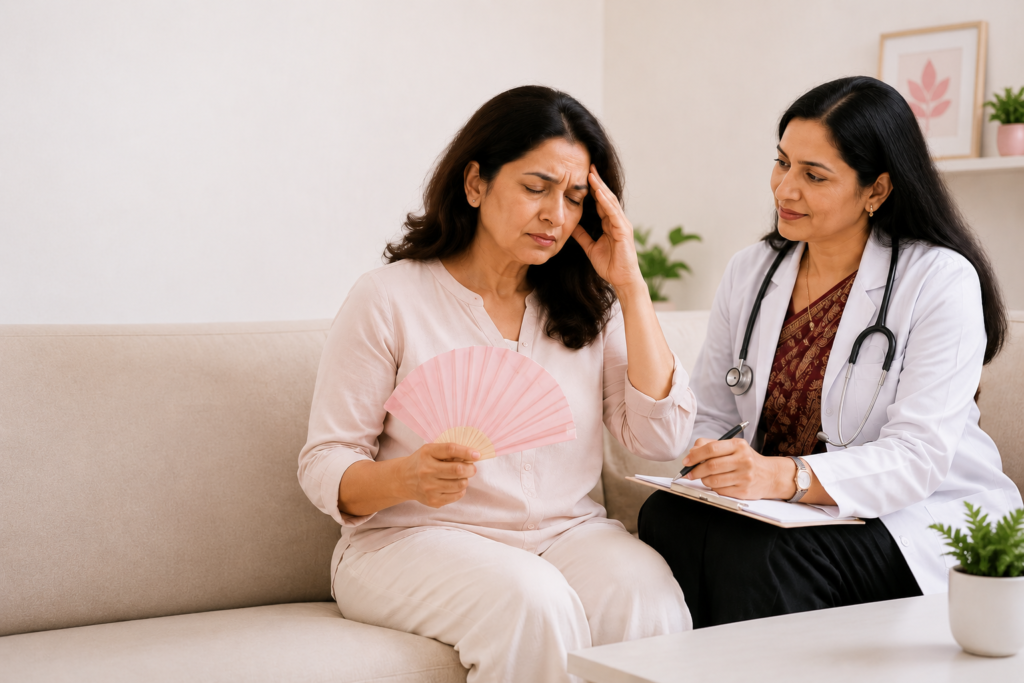
Consulting a Menopause Specialist in Dwarka can help women better understand the changes taking place in their bodies and receive personalized guidance based on their symptoms, medical history, and long-term health goals. Instead of relying on myths, home remedies, or internet advice, a qualified specialist offers evidence-based recommendations that support healthy aging and improve everyday comfort.
Menopause usually occurs between the ages of 45 and 55, although the timing varies from person to person. The transition leading up to menopause, known as perimenopause, may begin several years earlier. Hormonal fluctuations during this period can affect multiple body systems, making it important to monitor symptoms carefully and discuss any concerns with a healthcare professional.
Another important reason to consult a Menopause Specialist in Dwarka is the long-term impact of declining estrogen levels. Bone health, heart health, metabolism, urinary health, and mental well-being can all be influenced during and after menopause. Early assessment and preventive care can help reduce future health risks while improving current quality of life.
Menopause is a lifelong transition that extends beyond symptom management. Regular visits to a Menopause Specialist in Dwarka, combined with healthy lifestyle choices and preventive healthcare, can improve overall wellness, reduce future health risks, and help women maintain confidence, independence, and an active quality of life throughout the aging process.
Understanding hormonal changes helps women make informed decisions about nutrition, physical activity, sleep, and preventive healthcare. Consulting a Menopause Specialist in Dwarka ensures individualized care based on medical history, current symptoms, and long-term wellness goals while supporting healthy aging with evidence-based recommendations and regular follow-up evaluations.
Building healthy habits before and after menopause contributes to stronger bones, improved heart health, better emotional resilience, and sustained energy levels. A trusted Menopause Specialist in Dwarka can provide personalized guidance that supports both immediate symptom relief and long-term health maintenance for every stage of menopause.
Table of Contents
What is Menopause Specialist in Dwarka
A Menopause Specialist in Dwarka is a healthcare professional with expertise in diagnosing, managing, and treating symptoms related to perimenopause, menopause, and postmenopause. The specialist evaluates hormonal changes, discusses symptom patterns, recommends suitable treatment options, and provides long-term preventive care for women’s health.
Care may include:
- Menopause evaluation
- Hormonal assessment
- Lifestyle counseling
- Nutrition guidance
- Bone health monitoring
- Heart health risk assessment
- Management of sleep disturbances
- Treatment for vaginal dryness and urinary symptoms
- Guidance regarding hormone therapy when appropriate
- Regular follow-up for long-term wellness
Choosing a Menopause Specialist in Dwarka allows women to receive individualized care, practical lifestyle guidance, and evidence-based treatment options that improve comfort, support healthy aging, and encourage informed healthcare decisions throughout the menopause journey.
Why is it Important
Seeking help from a Menopause Specialist in Dwarka offers several important benefits beyond symptom relief.
A specialist helps identify whether symptoms are truly related to menopause or another medical condition. Early diagnosis allows timely intervention and reduces unnecessary anxiety.
Regular follow-up with a Menopause Specialist in Dwarka helps monitor symptom progression, adjust treatment plans when necessary, and promote long-term physical and emotional well-being through personalized preventive healthcare and ongoing medical support.

Common Signs and Symptoms
Hot Flashes
Sudden feelings of heat, especially around the face and chest, are among the most common menopausal symptoms.
Night Sweats
Excessive sweating during sleep can interrupt rest and contribute to fatigue.
Irregular Periods
Cycles may become shorter, longer, lighter, or heavier before menstruation stops permanently.
Mood Changes
Hormonal fluctuations can contribute to irritability, anxiety, emotional sensitivity, and low mood.
Sleep Problems
Difficulty falling asleep or staying asleep becomes increasingly common during menopause.
Vaginal Dryness
Lower estrogen levels can lead to discomfort during daily activities or intimacy.
Weight Gain
Many women notice changes in metabolism and fat distribution around the abdomen.
Memory and Concentration Issues
Some women experience temporary forgetfulness or difficulty focusing during hormonal changes.
Early consultation with a Menopause Specialist in Dwarka can help women understand hormonal changes, manage troublesome symptoms, and develop a personalized care plan. Timely medical guidance also supports better long-term bone, heart, and overall health during and after menopause.
Common Causes
Natural Aging
The ovaries gradually produce less estrogen and progesterone as women age.
Perimenopause
Hormonal fluctuations before menopause often trigger symptoms several years before periods stop.
Surgical Menopause
Removal of both ovaries causes immediate menopause regardless of age.
Cancer Treatments
Certain chemotherapy medications and pelvic radiation may affect ovarian function.
Premature Ovarian Insufficiency
A small percentage of women experience menopause before age 40 due to reduced ovarian function.
A Menopause Specialist in Dwarka provides evidence-based advice tailored to each woman’s unique health needs. From lifestyle recommendations to treatment options, expert care helps improve comfort, confidence, and overall quality of life throughout the menopause transition.
12 Benefits of Consulting a Menopause Specialist in Dwarka
1. Personalized Symptom Management
Every woman experiences menopause differently. A Menopause Specialist in Dwarka evaluates your symptoms, medical history, and lifestyle to create a personalized care plan. This tailored approach often provides better symptom control than relying on generalized advice or self-medication.
2. Accurate Diagnosis
Not every symptom during midlife is caused by menopause. Thyroid disorders, anemia, vitamin deficiencies, and other medical conditions can present similar symptoms. A specialist performs appropriate evaluations to identify the actual cause and recommend suitable treatment.
3. Better Sleep Quality
Poor sleep is one of the most frustrating menopause symptoms. By addressing night sweats, hormonal changes, stress, and sleep habits, a specialist can recommend strategies that promote deeper, more restful sleep and improve daytime energy.
4. Improved Emotional Well-being
Hormonal fluctuations may contribute to mood swings, anxiety, irritability, or low mood. A specialist helps identify contributing factors and suggests evidence-based treatment options, lifestyle modifications, or referrals to mental health professionals when appropriate.
5. Guidance on Hormone Therapy
Hormone Replacement Therapy (HRT) may benefit some women but is not suitable for everyone. A Menopause Specialist in Dwarka explains the potential benefits, risks, and alternatives, helping you make an informed decision based on your individual health profile.
6. Stronger Bone Health
Declining estrogen levels increase the risk of osteoporosis and fractures. A specialist may recommend bone density assessments, calcium-rich nutrition, vitamin D, weight-bearing exercises, and preventive measures to support long-term bone strength.
7. Better Heart Health Monitoring
Menopause can influence cholesterol levels, blood pressure, and cardiovascular health. Regular assessments allow early identification of risk factors and encourage healthy habits that support long-term heart wellness.
8. Relief from Vaginal and Urinary Symptoms
Vaginal dryness, discomfort during intimacy, urinary urgency, and recurrent urinary tract infections can affect quality of life. A specialist recommends evidence-based treatments that improve comfort and support intimate health.
9. Healthy Weight Management
Hormonal changes may slow metabolism and alter body fat distribution. A specialist provides realistic nutrition advice, physical activity recommendations, and lifestyle strategies that help maintain a healthy weight without extreme diets.
10. Increased Energy Levels
Persistent fatigue can make daily activities more challenging. Identifying contributing factors such as sleep disturbances, nutritional deficiencies, or hormonal changes allows targeted interventions that may improve overall energy and vitality.
11. Preventive Healthcare Planning
Regular menopause care focuses not only on current symptoms but also on preventing future health problems. Screenings, vaccinations, and routine health checks become increasingly important during this stage of life.
12. Greater Confidence During Menopause
Understanding what is happening in your body reduces uncertainty and fear. With professional support and practical guidance, many women feel more confident managing symptoms and maintaining an active, fulfilling lifestyle.
Regular follow-up with a Menopause Specialist in Dwarka allows symptoms to be monitored effectively while ensuring treatment plans remain appropriate. Consistent medical support empowers women to embrace menopause with greater confidence, better health, and improved daily well-being.

How Menopause Care Works
Managing menopause involves more than treating individual symptoms. A comprehensive evaluation helps develop a care plan that addresses immediate concerns while supporting long-term health.
Initial Consultation
The specialist discusses your menstrual history, symptoms, medical conditions, medications, lifestyle, and family history to understand your overall health.
Clinical Evaluation
A physical examination may be performed, along with recommended investigations when necessary. These tests help rule out other conditions that can mimic menopause symptoms.
Individualized Treatment Plan
Based on your symptoms and health status, the specialist develops a personalized management plan. This may include lifestyle modifications, medications, hormone therapy when appropriate, or non-hormonal treatment options.
Treatment and Management Options
Treatment is individualized and depends on the severity of symptoms, age, medical history, and personal preferences.
Lifestyle Modifications
Healthy daily habits often play a significant role in reducing menopause-related discomfort. Regular exercise, balanced meals, adequate hydration, stress management, and quality sleep can make a noticeable difference.
Hormone Therapy
Hormone therapy may be considered for women with moderate to severe symptoms after a careful discussion of benefits, risks, and individual suitability. Decisions should always be made in consultation with a qualified healthcare professional.
Non-Hormonal Medications
Some women may benefit from prescription medications that help manage hot flashes, mood changes, or sleep disturbances without using hormones.
Nutritional Support
A diet rich in fruits, vegetables, whole grains, lean proteins, healthy fats, calcium, and vitamin D supports overall health during menopause. Nutritional counseling can also help address weight management and bone health.
Pelvic Floor Care
Pelvic floor exercises and other supportive therapies may help improve bladder control, pelvic strength, and overall pelvic health, especially for women experiencing urinary symptoms.
Mental Health Support
Stress, anxiety, and emotional changes deserve attention alongside physical symptoms. Counseling, mindfulness practices, relaxation techniques, or referrals to mental health professionals may be recommended when needed.
Daily Habits That Support Menopause Health
Small, consistent lifestyle changes can help reduce symptoms and improve overall well-being during menopause.
Stay Physically Active
Aim for a combination of aerobic exercise, strength training, flexibility exercises, and balance activities throughout the week to support heart health, bone strength, and mood.
Eat a Balanced Diet
Focus on nutrient-rich foods, including leafy greens, colorful vegetables, fruits, whole grains, lean proteins, nuts, seeds, and dairy or fortified alternatives to meet calcium and vitamin D needs.
Maintain Healthy Sleep Habits
Create a regular sleep schedule, keep the bedroom cool, avoid excessive caffeine late in the day, and establish a relaxing bedtime routine to improve sleep quality.
Manage Stress Effectively
Deep breathing, yoga, meditation, journaling, or spending time in nature can help reduce stress and improve emotional well-being.
Stay Hydrated
Drinking enough water throughout the day may help support overall health and reduce discomfort associated with dehydration.
Limit Smoking and Alcohol
Avoiding tobacco products and limiting alcohol intake can benefit cardiovascular health, bone health, and overall wellness during menopause.
Attend Regular Health Check-ups
Routine visits with a Menopause Specialist in Dwarka help monitor symptoms, review treatment plans, and detect potential health concerns early.

Common Myths About Menopause
Myth 1: Menopause only causes hot flashes.
Fact: While hot flashes are common, menopause can also affect sleep, mood, memory, bone health, heart health, metabolism, and urinary health. Every woman’s experience is unique.
Myth 2: Every woman needs hormone therapy.
Fact: Hormone Replacement Therapy (HRT) is beneficial for some women but not for everyone. A Menopause Specialist in Dwarka evaluates your medical history, symptoms, and health risks before recommending any treatment.
Myth 3: Weight gain during menopause is unavoidable.
Fact: Hormonal changes may influence metabolism, but a balanced diet, regular physical activity, strength training, and healthy lifestyle habits can help maintain a healthy weight.
Myth 4: Menopause marks the end of an active lifestyle.
Fact: Many women remain physically active, professionally successful, and socially engaged after menopause. Proper symptom management allows women to continue enjoying a fulfilling and healthy life.
Myth 5: Menopause always begins at age 50.
Fact: The average age varies. Some women experience menopause in their mid-40s, while others transition later. Perimenopause may begin several years before menopause.
Frequently Asked Questions
1. When should I consult a Menopause Specialist in Dwarka?
You should consider consulting a Menopause Specialist in Dwarka if you experience persistent hot flashes, irregular periods, sleep disturbances, mood changes, vaginal dryness, or other symptoms that interfere with your daily life. Early evaluation also helps identify long-term health risks and appropriate preventive care.
2. Is menopause a medical condition?
No. Menopause is a natural biological stage that marks the end of menstrual cycles. Although it is not a disease, some symptoms can significantly affect quality of life and may benefit from professional medical guidance.
3. Can menopause increase the risk of osteoporosis?
Yes. Declining estrogen levels can lead to reduced bone density, increasing the risk of osteoporosis and fractures. Regular exercise, adequate calcium and vitamin D intake, and periodic bone health assessments help lower this risk.
4. Does every woman experience severe menopause symptoms?
No. Symptoms vary widely. Some women have minimal discomfort, while others experience more noticeable physical and emotional changes. A Menopause Specialist in Dwarka can recommend personalized strategies based on individual needs.
5. Is Hormone Replacement Therapy safe?
Hormone Replacement Therapy can be safe and effective for many women when prescribed appropriately. However, suitability depends on factors such as age, medical history, and personal risk factors. Treatment decisions should always be made in consultation with a qualified healthcare professional.
Final Thoughts
Menopause is a significant life transition that deserves understanding, support, and evidence-based care. Rather than viewing it as something to simply endure, women can benefit from learning about the physical and emotional changes that accompany this stage. Early guidance, healthy lifestyle choices, and regular medical follow-up can make a meaningful difference in comfort and long-term health.
Conclusion
Choosing to consult a Menopause Specialist in Dwarka provides access to personalized care that considers your unique symptoms, medical history, and future health goals. From evaluating treatment options and supporting bone health to managing hot flashes, mood changes, and sleep disturbances, specialized care helps women navigate menopause with greater confidence and clarity.
Every menopause journey is different. Seeking professional advice early can help address concerns before they significantly impact daily life, allowing women to continue enjoying active, productive, and fulfilling lives. With the support of an experienced Menopause Specialist in Dwarka, menopause can become a well-managed transition rather than an overwhelming challenge.
Contact Information

Dr. Jasleen Kaur Malhotra
Gynaecologist, Obstetrician & Infertility Specialist
📍 Address: Clinic No. 56A, Behind Main Market, Sector 6, Dwarka, New Delhi – 110075
📞 Phone: +91-99105-52246
🌐 Website: gynaefemmewellnessdwarka.com