

Adolescence is a period of significant physical, emotional, and hormonal changes. For girls and teenagers, the transition from childhood to adulthood may bring questions about periods, menstrual pain, puberty, vaginal health, body changes, and reproductive well-being. Although many of these changes are a normal part of development, some symptoms deserve medical attention and should not be ignored.
Consulting an Adolescent Gynaecologist in Dwarka can help teenagers and their families understand these changes, receive appropriate medical guidance, and address concerns in a supportive environment. Adolescent gynaecology focuses on reproductive health needs during the teenage years, taking into account physical development, emotional comfort, privacy, and age-appropriate care.
Parents may feel uncertain about when a teenager should visit a gynaecologist, especially if there is no obvious medical problem. Teenagers themselves may hesitate to discuss sensitive symptoms because of embarrassment, fear, or a lack of reliable information. A respectful consultation can make these conversations easier and help young people develop healthy habits for the future.
This guide explains common reasons to seek adolescent gynaecological care, symptoms that need attention, what to expect during an appointment, and how families can choose an appropriate healthcare professional in Dwarka, Delhi.
Table of Contents
What Is Adolescent Gynaecology?
Adolescent gynaecology is the area of healthcare concerned with reproductive and menstrual health during adolescence. It addresses questions and medical concerns related to puberty, periods, hormonal changes, and the developing reproductive system.
An Adolescent Gynaecologist in Dwarka may assess concerns such as irregular menstruation, severe period pain, unusually heavy bleeding, delayed puberty, and certain vulvovaginal symptoms. The care offered depends on the teenager’s age, symptoms, medical history, and the clinician’s expertise.
Adolescent healthcare also recognises that teenagers need clear explanations and respectful communication. A young person should have an opportunity to ask questions without feeling ashamed of normal bodily changes.
A gynaecological consultation does not automatically involve an intimate examination. The clinician should explain why any examination or test is being considered, discuss appropriate alternatives when available, and obtain informed consent in accordance with the patient’s age and applicable requirements.

7 Positive Reasons to Visit an Adolescent Gynaecologist in Dwarka
Understanding when professional advice may be helpful can reduce uncertainty for teenagers and parents. The following situations are common reasons to arrange an appointment.
1. Understanding Periods and Menstrual Irregularities
Menstruation often begins during puberty, but the timing and pattern can differ between individuals. Periods may be irregular during the first few years after menstruation starts. However, persistent irregularity, unusually long gaps, or other concerning symptoms may require evaluation.
A teenager might notice that her periods arrive unpredictably, making school activities or sports difficult to plan. A healthcare professional can review when menstruation began, the pattern of bleeding, associated symptoms, and other relevant aspects of health.
An Adolescent Gynaecologist in Dwarka can explain which menstrual changes may be expected during puberty and which deserve further assessment. Depending on the symptoms, the clinician may recommend tracking periods, reviewing medical history, or arranging investigations.
Keeping a menstrual diary can be useful. Record the first day of each period, its approximate duration, the amount of bleeding, and any associated pain or other symptoms. This information can help the clinician understand the pattern more accurately.
2. Getting Help With Severe Period Pain
Mild cramps can occur during menstruation, but severe pain that interferes with school, sleep, sports, or daily activities should not simply be accepted as an unavoidable part of growing up.
For example, a teenager may regularly miss classes because of abdominal cramps or experience pain that does not improve with usual measures. These symptoms deserve attention, particularly if the pain is worsening or accompanied by other unusual changes.
Consulting an Adolescent Gynaecologist in Dwarka may help identify possible causes and determine an appropriate management plan. The clinician may ask about the timing, severity, duration, and location of the pain, as well as any associated symptoms.
Depending on the clinical findings, management may involve practical self-care measures, suitable medication, or further investigation. Severe or sudden abdominal pain, especially with fainting, fever, vomiting, or heavy bleeding, may require urgent medical assessment.
3. Evaluating Unusually Heavy Menstrual Bleeding
Heavy menstrual bleeding can affect a teenager’s energy, concentration, participation in activities, and overall quality of life. It may also contribute to iron deficiency or anaemia, depending on the amount and duration of blood loss.
Warning signs may include bleeding that lasts longer than expected, repeatedly soaking through menstrual products quickly, frequent leakage through clothing, or feeling unusually tired or dizzy during periods.
A qualified clinician can assess the bleeding pattern and determine whether tests are needed. The causes vary, so it is important not to assume that heavy bleeding is simply a normal part of adolescence.
An Adolescent Gynaecologist in Dwarka can discuss possible explanations and appropriate treatment options based on the teenager’s circumstances. Treatment should be guided by a professional rather than self-prescribed hormonal medication or supplements.
Very heavy bleeding accompanied by fainting, marked weakness, shortness of breath, or severe dizziness needs prompt medical attention.
4. Understanding Puberty and Hormonal Changes
Puberty brings changes in breast development, body hair, skin, body shape, and menstrual function. The sequence and timing of these changes vary, which can lead to questions or worries about whether development is progressing normally.
Some teenagers may start puberty earlier or later than their peers. Others may experience acne, increased hair growth, or menstrual changes that raise concerns about hormonal health.
An Adolescent Gynaecologist in Dwarka can review developmental history and symptoms to determine whether further assessment is appropriate. In some cases, a clinician may recommend evaluation by another specialist, depending on the concern.
Teenagers should be reassured that comparing their bodies with classmates or social media images is not a reliable way to assess development. If a change causes concern, a professional assessment is more useful than relying on online comparisons or unverified advice.
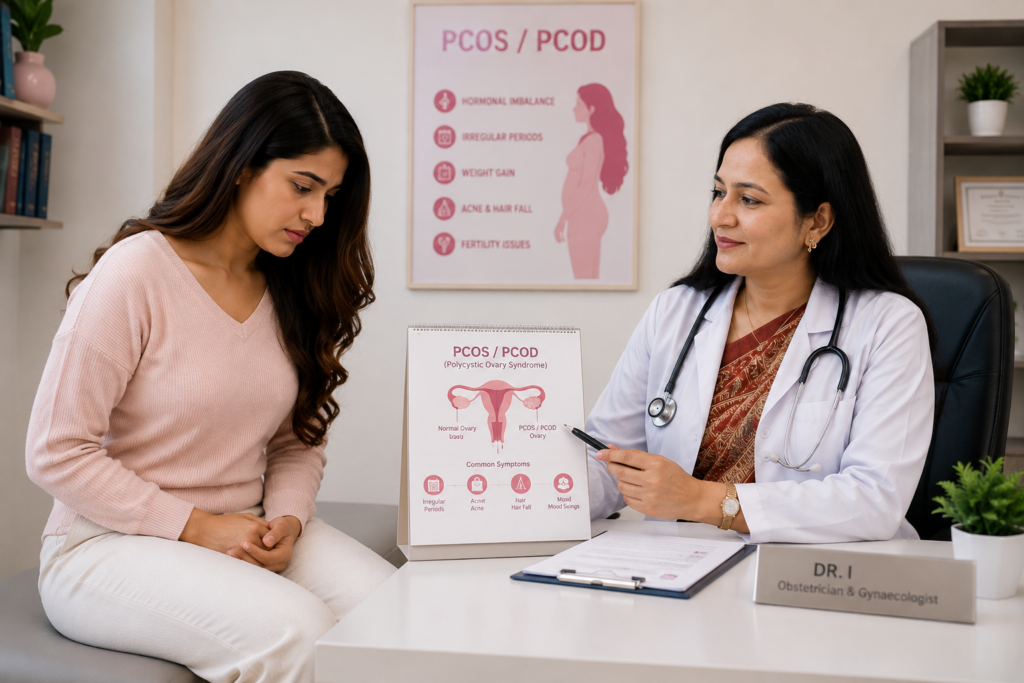
5. Discussing PCOS and Other Hormonal Concerns
Polycystic ovary syndrome, commonly called PCOS, is one possible cause of irregular periods and certain hormonal symptoms. However, irregular menstruation or acne alone does not establish that a teenager has PCOS.
Symptoms such as persistent menstrual irregularity, increased facial or body hair, or significant acne may warrant a clinical assessment. Other conditions can cause similar symptoms, so evaluation should consider the teenager’s age, developmental stage, medical history, and overall presentation.
A qualified Adolescent Gynaecologist in Dwarka can assess the concern and explain whether additional investigations or specialist input may be appropriate. Diagnosis in adolescents requires care because normal puberty can overlap with some features associated with PCOS.
If a hormonal condition is identified, management may include symptom monitoring, lifestyle guidance where relevant, and medication when clinically appropriate. Treatment decisions should be individualised, with clear explanations for both the teenager and family.
6. Addressing Vaginal Discomfort or Unusual Discharge
Vaginal discharge can be a normal part of puberty and reproductive development. Its amount and consistency may change over time. However, discharge accompanied by a strong or unusual odour, itching, irritation, pain, or a marked change in appearance may need medical assessment.
Teenagers may feel embarrassed about discussing these symptoms, but they are common reasons to seek healthcare. Avoiding the subject or using scented products, harsh soaps, or unprescribed vaginal treatments may worsen irritation or delay appropriate care.
Seeking an Adolescent Gynaecologist in Dwarka can provide a safe opportunity to ask questions about intimate hygiene and learn which symptoms should prompt medical attention.
7. Learning Healthy Reproductive Care Habits
Adolescence is an important time to develop practical habits that support long-term reproductive health. These include understanding menstrual patterns, recognising warning signs, practising appropriate hygiene, and knowing when to seek professional advice.
An Adolescent Gynaecologist in Dwarka can help teenagers understand their bodies without judgement and distinguish reliable medical information from myths. The goal is to encourage informed decisions and reduce unnecessary fear or embarrassment about normal development.
When Should a Teenager See a Gynaecologist?
A teenager does not necessarily need to wait until adulthood or until a serious problem develops before seeking reproductive healthcare. An appointment may be appropriate when symptoms are persistent, uncomfortable, unusual, or affecting daily activities.
Consider arranging a medical consultation if there is:
- No first period by age 15, or no breast development by age 13.
- A gap of around 90 days between periods after menstruation has begun.
- Periods that repeatedly last longer than seven days.
- Heavy bleeding that affects school, sleep, or everyday activities.
- Severe menstrual pain or worsening pelvic discomfort.
- Persistent itching, unusual discharge, or genital irritation.
- Menstrual irregularity accompanied by other concerning hormonal symptoms.
- Questions about puberty, menstrual hygiene, or reproductive health.
These are general reasons to seek assessment rather than a diagnosis. Individual circumstances differ, and a clinician can determine whether the pattern is concerning.
What Happens During an Adolescent Gynaecology Appointment?
Knowing what to expect may make the first visit less stressful. The process depends on the teenager’s concern, age, symptoms, medical history, and the clinician’s assessment.
Initial Discussion and Medical History
The clinician may ask when periods started, how regularly they occur, how long bleeding lasts, and whether pain or other symptoms are present. They may also ask about medication, existing health conditions, family history, and relevant developmental changes.
Teenagers should be encouraged to describe symptoms honestly. If they are unsure about a detail, they can say so rather than feeling pressured to provide an exact answer.
Examination and Tests When Needed
A physical examination is not automatically required for every adolescent gynaecology visit. Depending on the concern, the clinician may begin with a discussion, general health assessment, or other appropriate evaluation.
If an examination or investigation is recommended, the clinician should explain why it may be helpful, what it involves, and what alternatives are available. Consent, privacy, and the teenager’s comfort should be handled appropriately under applicable rules.
Discussing Results and Next Steps
After assessing the concern, the clinician may explain whether the symptoms appear consistent with normal development or require further evaluation. Recommendations could include symptom tracking, lifestyle guidance, medication, laboratory testing, imaging, or referral when indicated.
A consultation with an Adolescent Gynaecologist in Dwarka should leave the teenager and family with a clear understanding of the next steps and when to seek follow-up care.
How Parents Can Support Teenagers During Gynaecological Care
Parents and caregivers often play an important role in helping teenagers access healthcare. However, sensitive health conversations can feel uncomfortable for both generations.
Begin by listening without immediately criticising, dismissing, or comparing symptoms with your own experiences. Statements such as “period pain is always normal” may unintentionally discourage a teenager from describing severe discomfort.
Helpful ways to offer support include:
- Explain that puberty and menstrual questions are normal.
- Encourage the teenager to describe symptoms in their own words.
- Avoid making jokes or comments about body changes.
- Help record menstrual dates and relevant symptoms.
- Discuss appointment arrangements and privacy beforehand.
- Give the teenager opportunities to ask the clinician questions directly.
When visiting an Adolescent Gynaecologist in Dwarka, parents can share relevant medical history while also allowing the young person to participate in the conversation. Depending on age, local requirements, and clinical circumstances, the clinician may offer part of the consultation privately and explain the applicable confidentiality limits.
If a teenager feels nervous, acknowledging that feeling and explaining the purpose of the visit may make the experience easier.

How to Choose the Right Adolescent Gynaecologist in Dwarka
Choosing a healthcare professional involves more than location. Relevant qualifications, experience with adolescent patients, communication style, and the ability to explain sensitive topics clearly are all important considerations.
Check Qualifications and Experience
Look for a properly qualified gynaecologist with relevant experience in adolescent reproductive health. You can ask about professional credentials, training, and familiarity with concerns such as menstrual irregularity, puberty, and severe period pain.
Do not rely only on advertisements or online claims. Where appropriate, verify qualifications through official professional sources.
Consider Communication and Comfort
Teenagers should feel that their questions are taken seriously and that their symptoms are not dismissed because of their age. A good clinician explains findings in understandable language and allows time for questions.
Before choosing an Adolescent Gynaecologist in Dwarka, consider whether the professional appears respectful, patient, and willing to discuss privacy and consent clearly.
Frequently Asked Questions
1. When should I consult an Adolescent Gynaecologist in Dwarka?
Consider an appointment for severe period pain, persistent menstrual irregularity, heavy bleeding, delayed puberty, unusual discharge, or other reproductive health concerns. A consultation can also help teenagers understand normal development and learn when symptoms require attention.
2. At what age should a girl have her first gynaecology visit?
There is no single age that applies to every teenager. A visit may be appropriate when puberty-related questions arise or symptoms develop. Medical guidance is particularly important if menstruation has not started by age 15 or breast development has not begun by age 13.
3. Is irregular menstruation normal during adolescence?
Periods can be irregular during the first few years after menstruation begins. However, a prolonged gap, repeated irregularity, very heavy bleeding, or severe pain should be discussed with a healthcare professional.
4. Does a teenager need an internal examination during the first appointment?
Not necessarily. Many concerns can initially be discussed through a medical history and appropriate assessment. Any proposed examination should be explained, with attention to consent, privacy, and the teenager’s comfort.
5. Can adolescent gynaecology help with PCOS concerns?
A qualified clinician can assess symptoms such as persistent menstrual irregularity, significant acne, or increased facial or body hair. These symptoms do not automatically mean PCOS, and diagnosis in adolescents requires careful evaluation.
Conclusion
Adolescence is a time when clear, respectful healthcare can make a meaningful difference to a young person’s understanding of their body. Menstrual irregularities, severe period pain, unusual discharge, puberty-related concerns, and hormonal symptoms deserve appropriate attention rather than embarrassment or guesswork.
Consulting an Adolescent Gynaecologist in Dwarka can help teenagers and families understand symptoms, receive individualised guidance, and learn practical ways to support reproductive health. Choosing a qualified professional who values privacy, consent, clear communication, and age-appropriate care is an important part of the process.
Contact Information

Dr. Jasleen Kaur Malhotra
Gynaecologist, Obstetrician & Infertility Specialist
📍 Address: Clinic No. 56A, Behind Main Market, Sector 6, Dwarka, New Delhi – 110075
📞 Phone: +91-99105-52246
🌐 Website: gynaefemmewellnessdwarka.com