

Women’s health needs can change significantly throughout life. From menstrual problems and hormonal concerns to pregnancy planning, fertility, infections, pelvic pain, menopause, and preventive care, choosing the right medical professional can make a meaningful difference. For women searching for a gynaecologist Dwarka, the challenge is often not finding a doctor but identifying a specialist who matches their individual healthcare needs.
This guide explains how to evaluate a gynaecologist Dwarka, which common conditions require specialist attention, what to expect during an appointment, how to prepare for your consultation, and which factors can help you make a confident healthcare decision.
Table of Contents
Why Choosing the Right gynaecologist Dwarka Matters
Gynaecological symptoms can sometimes have several possible causes. For example, heavy periods may be associated with conditions affecting the uterus or ovaries, including fibroids, endometriosis, adenomyosis, or other medical conditions. Heavy bleeding can also contribute to tiredness and iron-deficiency anaemia.
This is why choosing a suitable gynaecologist Dwarka should involve more than looking at advertisements or star ratings. The right specialist should consider your symptoms, age, reproductive goals, previous medical history, medications, and other relevant factors before recommending a treatment plan.
What Does a Gynaecologist Treat?
A gynaecologist specializes in women’s reproductive and related health concerns. The services available can differ from one doctor or clinic to another, so it is useful to check whether the specialist regularly manages the condition you are concerned about.
Common areas of gynaecological care include:
- Irregular periods
- Heavy menstrual bleeding
- Painful periods
- Pelvic pain
- PCOS-related concerns
- Endometriosis
- Fibroids
- Ovarian cysts
- Vaginal infections
- Abnormal vaginal discharge
- Contraception and family planning
- Preconception counselling
- Pregnancy-related care
- Fertility evaluation
- Menopause-related concerns
- Cervical health
- Preventive screening
- Postpartum care
A qualified gynaecologist Dwarka should assess your individual circumstances rather than assuming that everyone with the same symptom requires identical treatment.
1. Check Qualifications and Professional Experience
One of the first factors to consider when selecting a gynaecologist Dwarka is professional qualification. Look for appropriate medical training and postgraduate specialization in obstetrics and gynaecology, along with valid professional registration.
Qualifications are important, but relevant clinical experience matters too. A doctor may have broad experience in women’s healthcare while having a particular interest in areas such as pregnancy, fertility, minimally invasive procedures, menstrual disorders, or menopause.
Match Experience With Your Concern
Consider your main reason for visiting.
If you have severe period pain, you may prefer a doctor who frequently evaluates conditions such as endometriosis, adenomyosis, fibroids, or pelvic inflammatory disease. Period pain is common, but severe or worsening pain that affects everyday activities deserves medical attention.
If you are planning a pregnancy, you may prioritize experience in preconception counselling and antenatal care. If you are experiencing difficulty conceiving, you may want a doctor who can perform an initial fertility assessment and refer you to a reproductive specialist when necessary.
2. Use Online Reviews Carefully
Online reviews can help you create a shortlist when searching for a gynaecologist Dwarka, but they should not be the only deciding factor.
Look for consistent patterns rather than relying on one review. Patients may mention whether the doctor listens carefully, explains medical information clearly, respects privacy, avoids unnecessary procedures, and provides helpful follow-up.
Consider the number and recency of reviews as well. A large number of recent reviews can provide more context than a small number of older comments.
However, reviews represent individual experiences. A treatment experience that was appropriate for one patient may not be relevant to another person with a different diagnosis or medical history.
Use reviews alongside qualifications, experience, clinic facilities, communication, accessibility, and your own comfort level.
3. Prioritize Communication and Comfort
Gynaecological consultations can involve highly personal topics. You may need to discuss periods, contraception, sexual health, fertility, pregnancy history, vaginal symptoms, pain, or previous medical conditions.
A good gynaecologist Dwarka should make you feel comfortable enough to discuss these subjects without embarrassment or judgment.
Pay attention to how the doctor communicates. Do they allow you to explain your symptoms without repeatedly interrupting? Do they ask relevant questions? Do they explain possible causes? Do they tell you why a test is recommended?
You should also understand the treatment plan before leaving the clinic.
If medication is prescribed, ask what it is intended to do, how it should be taken, how long you may need it, and whether there are important side effects or precautions. If an investigation is recommended, ask what information it is expected to provide.
Good communication can help you become an active participant in your healthcare decisions.

4. Understand Menstrual Health
Your menstrual pattern can provide useful information about your reproductive health. Tracking your periods can help identify changes that may otherwise be difficult to describe during an appointment.
According to NHS guidance, menstrual cycles can vary between individuals, and cycles outside the usual pattern may require discussion with a healthcare professional, particularly when there is a change from your normal cycle.
Irregular periods may be associated with several factors, including puberty, approaching menopause, contraception, stress, changes in weight, and certain health conditions.
When Should You Discuss Period Problems?
Consider booking an appointment with a gynaecologist Dwarka if your periods become significantly heavier, more painful, unusually irregular, prolonged, or different from your usual pattern.
Heavy periods can sometimes involve changing pads or other menstrual products very frequently, bleeding for more than seven days, passing large clots, bleeding through clothing or bedding, or avoiding normal activities because of the bleeding.
The doctor may ask about your cycle and symptoms and decide whether blood tests, imaging, or other investigations are appropriate.
5. Do Not Ignore Persistent Pelvic Pain
Pelvic pain can have many different causes. Some pain around menstruation can be common, but severe, persistent, worsening, or recurrent pain should not automatically be considered normal.
Conditions such as endometriosis, adenomyosis, fibroids, pelvic inflammatory disease, and some ovarian conditions can cause pelvic or period-related pain.
During an appointment, a gynaecologist Dwarka may ask about where the pain occurs, when it begins, how long it lasts, whether it is related to your menstrual cycle, and whether it occurs during intercourse, urination, or bowel movements.
Depending on the symptoms, the doctor may recommend examination, blood tests, ultrasound, or other investigations.
If pelvic pain is severe or substantially worse than usual, prompt medical evaluation is appropriate.
6. Consider Pregnancy and Preconception Care
Women planning a pregnancy may benefit from consulting a gynaecologist Dwarka before trying to conceive.
Preconception counselling can provide an opportunity to discuss existing health conditions, medications, previous pregnancy history, menstrual cycles, lifestyle factors, vaccinations, and other relevant considerations.
If you have irregular periods, discussing them before pregnancy may also be useful. Irregular cycles can sometimes indicate irregular ovulation, which may affect the chances of conceiving.
During pregnancy, a gynaecologist or obstetrician can provide monitoring and guidance according to the individual’s health and pregnancy needs.
Women with previous pregnancy complications or medical conditions may require additional monitoring or specialist care. Your doctor can explain what level of follow-up is appropriate.

7. Understand Fertility Evaluation
Difficulty conceiving can be stressful, particularly when people rely on online information and attempt treatments without understanding the underlying issue.
A gynaecologist Dwarka can begin a fertility assessment by discussing menstrual cycles, ovulation, previous pregnancies, medical history, medications, lifestyle factors, and other relevant information.
Fertility concerns can involve different factors, and evaluation may sometimes involve both partners. A structured medical assessment can help identify whether additional investigation or referral is needed.
If advanced fertility treatment is appropriate, the gynaecologist may recommend consultation with a reproductive medicine or fertility specialist.
Patients should avoid assuming that fertility difficulties are automatically caused by the woman. A balanced assessment is important because reproductive health involves both partners.
8. Pay Attention to Abnormal Bleeding
Bleeding between periods or after sexual intercourse should be discussed with a healthcare professional, particularly when it is new, persistent, or associated with other symptoms.
There can be several possible causes, including contraception, infections, hormonal changes, pregnancy-related issues, and cervical or other gynaecological conditions.
A gynaecologist Dwarka can determine whether you need an examination or further testing based on your symptoms, age, medical history, and pregnancy possibility.
Unusual bleeding accompanied by pelvic pain after a missed period requires prompt medical attention because ectopic pregnancy is one possible cause and can be serious.
The important point is not to panic when abnormal bleeding occurs, but not to ignore it either. Proper evaluation can help determine the cause.
9. Consider Preventive Women’s Healthcare
Gynaecology is not limited to treating problems after symptoms develop. Preventive healthcare is also an important part of women’s health.
Depending on age, medical history, risk factors, and local recommendations, preventive care may include contraception counselling, reproductive planning, cervical cancer screening, menopause discussions, and other health assessments.
Cervical cancer screening is particularly important because screening can help identify cervical changes before they develop into cancer. WHO’s current guidance continues to emphasize HPV-based screening approaches for cervical cancer prevention, with screening and follow-up strategies adapted to the healthcare setting and population.
A gynaecologist Dwarka can help you understand which preventive services are appropriate for your age and circumstances.
Do not assume that every woman needs exactly the same test at the same interval. Screening recommendations can vary according to age, risk factors, previous results, and local healthcare guidance.
What to Expect During Your First Appointment
Knowing what happens during a consultation can make your first visit less stressful.
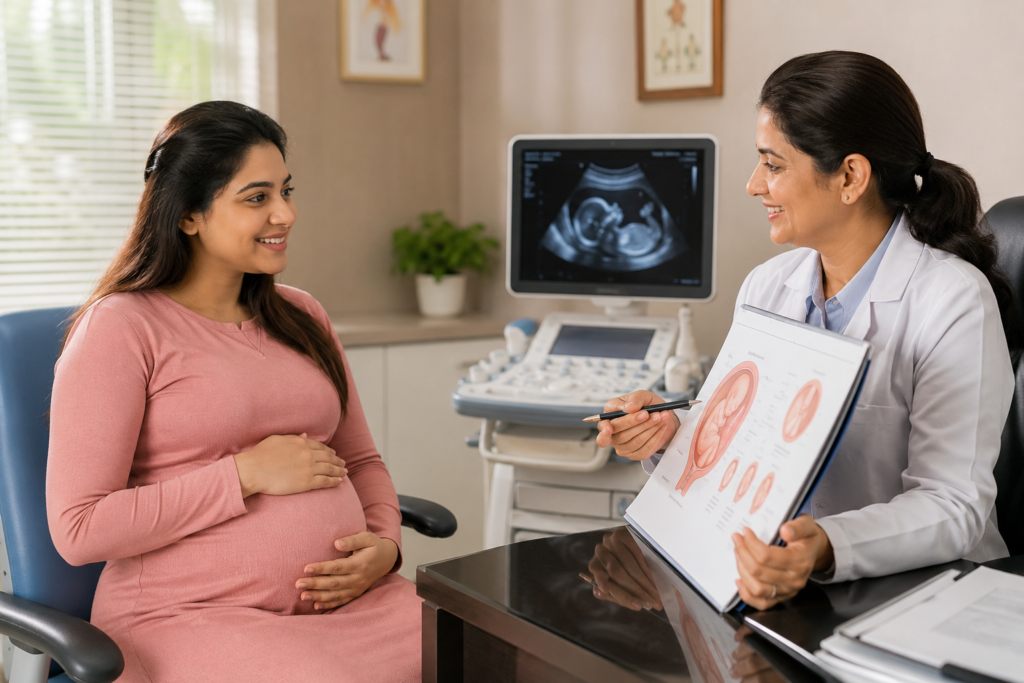
A first appointment with a gynaecologist Dwarka will generally begin with a discussion of your symptoms and medical history. Depending on your concern, the doctor may ask about:
- Date of your last period
- Menstrual cycle pattern
- Bleeding amount and duration
- Period pain
- Pregnancy history
- Current medications
- Allergies
- Previous surgeries
- Existing health conditions
- Contraception
- Fertility concerns
- Family medical history
A physical or pelvic examination may be recommended depending on your symptoms and clinical situation. Not every appointment requires the same examination.
How to Prepare for Your Appointment
A little preparation can make a consultation more productive.
Track Your Symptoms
Write down when your symptoms started and how frequently they occur. If you have period-related concerns, record the first day of your periods, duration, bleeding intensity, pain, and other unusual symptoms.
Period tracking can also help you identify whether symptoms follow a consistent pattern.
Bring Medical Records
Carry previous ultrasound reports, blood tests, prescriptions, discharge summaries, and other relevant medical records.
If you have already tried treatment, tell your doctor what you used and whether it helped. This information can prevent unnecessary repetition.
Prepare a Question List
Before visiting a gynaecologist Dwarka, write down your most important questions.
Useful questions may include:
- What could be causing my symptoms?
- Do I need any tests?
- Why is each test recommended?
- What treatment options are available?
- Are there alternatives?
- What side effects should I know about?
- When should I return for follow-up?
- Which symptoms would require urgent attention?
Taking notes during the consultation can also help you remember important instructions.
How to Compare Gynaecology Clinics in Dwarka
When comparing a gynaecologist Dwarka, look beyond the doctor’s name and consider the overall clinic experience.
Location and Accessibility
A clinic that is easy to reach can be useful when follow-up appointments are required. Consider travel time, parking, public transport, and consultation timings.
Diagnostic Facilities
Ask whether diagnostic services such as ultrasound or laboratory testing are available at the clinic or nearby. Easy access to investigations can make the overall process more convenient.
Hospital Support
If you may require a procedure, surgery, delivery care, or hospital admission, find out where the doctor provides hospital-based services.
Follow-Up Process
Ask how follow-up appointments are scheduled and what you should do if symptoms change after treatment.
Continuity of care can be especially useful for chronic or recurring concerns because the doctor can track your response to treatment over time.
Frequently Asked Questions
When should I visit a gynaecologist Dwarka?
Consider an appointment if you have persistent or unusual menstrual changes, heavy bleeding, severe period pain, pelvic pain, abnormal discharge, fertility concerns, pregnancy planning needs, contraception questions, menopause-related symptoms, or other reproductive health concerns.
How can I choose the right gynaecologist Dwarka?
Compare professional qualifications, relevant clinical experience, services, communication style, clinic accessibility, diagnostic support, hospital facilities, and follow-up arrangements. Reviews can help you shortlist doctors but should not be the only deciding factor.
Are irregular periods always a medical problem?
No. Irregular periods can occur for different reasons, including puberty, approaching menopause, contraception, stress, and changes in health or weight. However, a significant or persistent change in your normal cycle should be discussed with a healthcare professional.
When are heavy periods considered concerning?
Heavy bleeding may be concerning when you need to change menstrual products very frequently, periods last more than seven days, you pass large clots, bleed through clothing or bedding, or the bleeding interferes with normal activities.
Is period pain always normal?
Mild or moderate period discomfort can be common. However, severe, worsening, or disruptive pain may require evaluation. Conditions such as endometriosis, adenomyosis, fibroids, and pelvic inflammatory disease can cause significant pain.
What should I bring to my first appointment?
Bring previous medical reports, prescriptions, medication details, allergy information, menstrual records, and a list of questions. A record of your symptoms can also help the doctor understand your situation more accurately.
Does every gynaecological consultation require an examination?
No. The need for examination depends on your symptoms, medical history, age, and clinical assessment. If an examination is recommended, ask the doctor to explain its purpose and what it involves.
Can a gynaecologist Dwarka help with fertility problems?
Yes. A gynaecologist can assess menstrual and reproductive health and begin an appropriate fertility evaluation. If specialized treatment is needed, referral to a fertility or reproductive medicine specialist may be recommended.
Is cervical screening important?
Yes. Cervical cancer screening is an important preventive measure. WHO currently recommends HPV testing as the preferred primary screening method in its evidence-informed guidance, while exact screening approaches and intervals depend on the healthcare programme and individual circumstances.
Conclusion
Choosing the right gynaecologist Dwarka is an important step toward better women’s healthcare. The best choice should not depend only on online ratings, advertisements, or convenience. Professional qualifications, relevant experience, communication, diagnostic support, accessibility, and follow-up care all deserve consideration.
Most importantly, do not ignore symptoms that are severe, persistent, or significantly different from your usual pattern. A qualified gynaecologist Dwarka can provide individualized assessment and guide you toward appropriate care, testing, treatment, or specialist referral when necessary.
Contact Information

Dr. Jasleen Kaur Malhotra
Gynaecologist, Obstetrician & Infertility Specialist
📍 Address: Clinic No. 56A, Behind Main Market, Sector 6, Dwarka, New Delhi – 110075
📞 Phone: +91-99105-52246
🌐 Website: gynaefemmewellnessdwarka.com