
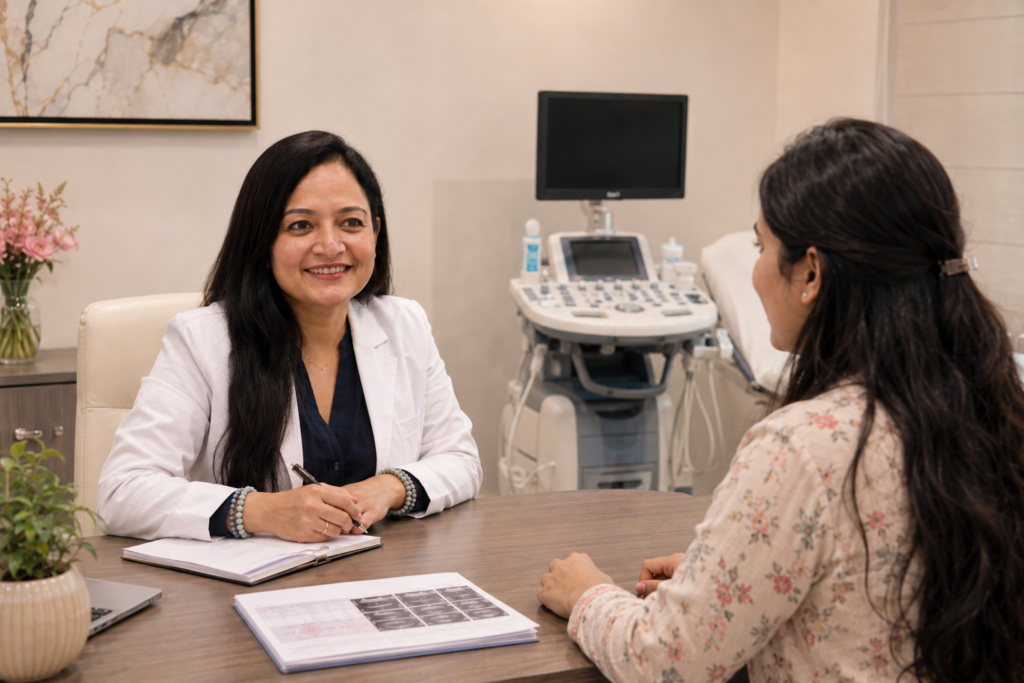
The arrival of a baby brings happiness, excitement, and significant changes to everyday life. However, the weeks following childbirth can also involve physical discomfort, hormonal changes, disrupted sleep, feeding challenges, and emotional adjustments. While much attention is often given to pregnancy and delivery, the mother’s recovery after birth deserves the same level of care and planning.
Choosing appropriate Postnatal Care in Dwarka can help new mothers receive guidance during this important recovery period. Postnatal care focuses on the mother’s physical healing, emotional well-being, nutrition, breastfeeding support when desired, and identification of complications that require medical attention. It also helps families understand how to care for a newborn while allowing the mother adequate time to recover.
Recovery is different for every woman. Some may feel physically stronger within a few weeks, while others need more time because of a caesarean birth, significant blood loss, breastfeeding difficulties, or other health concerns. There is no need to compare your recovery with another person’s experience.
For families living in Dwarka, Delhi, convenient access to qualified healthcare professionals and follow-up appointments can make it easier to address concerns early. This guide explains what postnatal care involves, how to support recovery at home, when to seek medical attention, and how to choose suitable professional support for you and your baby.
Table of Contents
What Is Postnatal Care and Why Is It Important?
Postnatal care refers to healthcare and practical support provided to a mother and newborn after childbirth. It begins immediately after delivery and continues through the early weeks and months, according to individual medical needs and recommended follow-up arrangements.
Postnatal Care in Dwarka, The mother may need monitoring for bleeding, blood pressure changes, infection, wound healing, pain, breastfeeding difficulties, and emotional distress. The newborn may require feeding support, growth monitoring, examination, and guidance about safe sleep and general care.
Seeking Postnatal Care in Dwarka may be particularly useful for families who want accessible follow-up support close to home. However, the appropriate care plan depends on the mother’s medical history, the type of delivery, the baby’s condition, and any complications experienced during pregnancy or childbirth.
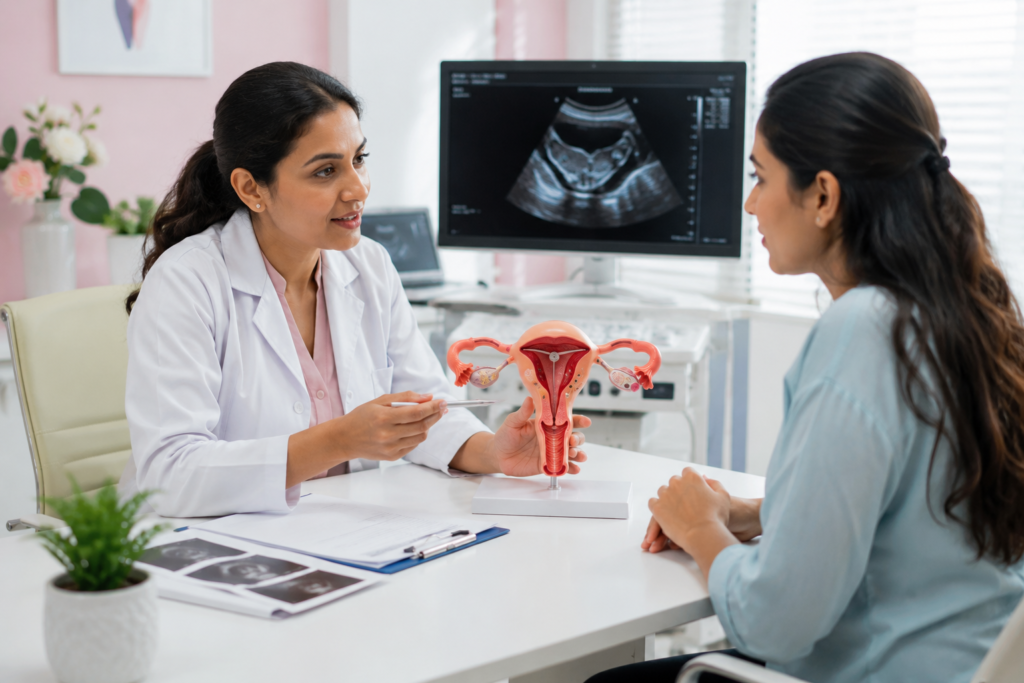
7 Essential Aspects of Postnatal Care in Dwarka
1. Monitoring Physical Recovery
After childbirth, the body needs time to heal. Vaginal bleeding, uterine cramping, soreness, fatigue, and changes in the breasts may occur during recovery. The nature and duration of these changes vary, and some symptoms require medical assessment.
A healthcare professional can review bleeding, pain, blood pressure where relevant, wound healing, and other recovery concerns. Attend recommended follow-up appointments even if you feel generally well, particularly if you experienced complications during pregnancy or delivery.
2. Support After a Caesarean or Vaginal Birth
Postnatal Care in Dwarka, Recovery needs may differ according to the type of delivery. After a vaginal birth, soreness around the perineum, stitches, or discomfort while sitting may occur. Following a caesarean birth, the mother also needs care for the surgical incision and guidance on gradually returning to movement.
Keep the wound clean and follow the instructions provided by your healthcare team. Avoid heavy lifting or strenuous activity until you have received appropriate guidance. Increasing pain, spreading redness, discharge, or fever should not be ignored.
3. Breastfeeding and Feeding Guidance
Breastfeeding may take time to establish, and challenges such as nipple soreness, difficulty attaching the baby, engorgement, or concerns about milk supply can be stressful. Some mothers may choose or need to use expressed milk or infant formula.
A qualified healthcare professional or appropriately trained lactation specialist can help assess feeding difficulties and discuss suitable options. Feeding support should be respectful and non-judgmental, with the baby’s nutrition and the mother’s well-being both considered.
4. Nutrition and Hydration
Recovery places demands on the body, particularly when a mother is healing from delivery and feeding a newborn. Regular, balanced meals can provide protein, carbohydrates, healthy fats, vitamins, minerals, and energy.
Include a variety of foods such as vegetables, fruit, whole grains, pulses, dairy products or suitable alternatives, nuts, and protein-rich foods according to your preferences. Drink fluids regularly and discuss supplements, iron, or other nutritional requirements with your healthcare professional.
5. Emotional Well-Being
Postnatal Care in Dwarka, Hormonal changes, sleep deprivation, physical discomfort, and the responsibilities of caring for a newborn can affect mood. Some mothers experience temporary tearfulness or irritability, while others develop persistent anxiety, low mood, or feelings of hopelessness.
Emotional changes should be taken seriously. Postnatal depression and anxiety are treatable conditions, and professional support can help. If symptoms persist, intensify, or interfere with everyday functioning, contact a qualified healthcare professional rather than waiting for them to disappear.
6. Rest and Practical Support
Newborn care can make uninterrupted sleep difficult. Family members can support recovery by sharing household tasks, preparing meals, helping with older children, and taking responsibility for selected baby-care tasks.
Postnatal Care in Dwarka, Rest does not mean remaining in bed continuously unless your healthcare professional advises it. Gentle movement may support recovery when appropriate, but activity should increase gradually according to comfort and medical guidance.
7. Follow-Up for Mother and Baby
Postnatal visits allow healthcare professionals to assess recovery and discuss concerns that may not have been apparent immediately after delivery. These appointments can cover bleeding, wound healing, blood pressure, feeding, mood, contraception, and other health needs.
Postnatal Care in Dwarka, The baby also needs appropriate newborn checks, feeding assessment, growth monitoring, and immunisation according to the recommended schedule. Keeping a list of questions can help parents make better use of each appointment.
What Happens During a Postnatal Check-Up?
A postnatal consultation generally focuses on the mother’s recovery, current symptoms, and any health concerns arising after childbirth. The exact assessment depends on the type of delivery, medical history, and how recovery is progressing.
Physical Assessment
The healthcare professional may ask about bleeding, pain, urination, bowel movements, wound healing, breast discomfort, and mobility. Blood pressure or other checks may be recommended depending on your health history and symptoms.
If you have stitches or a surgical incision, explain any changes you have noticed. Do not hesitate to mention concerns that feel embarrassing or difficult to discuss.
Breastfeeding and Newborn Care
Feeding questions may include how often the baby feeds, whether feeding is comfortable, and whether the baby appears to be feeding effectively. A healthcare professional may observe a feed or recommend further lactation support if needed.
Parents can also ask about safe sleep, bathing, cord care, signs of illness, and when the baby requires medical review. Advice should reflect the baby’s age and individual health needs.
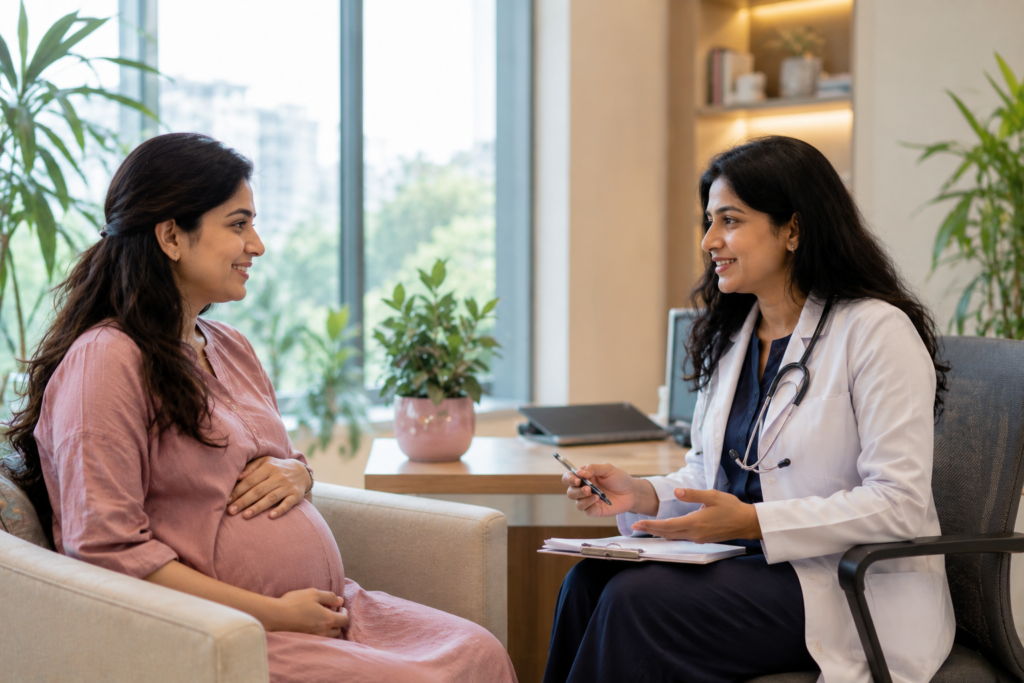
Emotional Health Review
Your clinician may ask how you have been feeling, whether you have support at home, and whether sleep or anxiety is becoming difficult to manage. Answer as honestly as you can; emotional symptoms are part of postnatal health.
Postnatal Care in Dwarka, If you are worried about your mood, concentration, or ability to cope, raise these concerns directly. You deserve support even if the birth was uncomplicated and your baby is healthy.
Choosing the Right Postnatal Care in Dwarka Provider
Finding suitable care involves more than choosing the nearest appointment. Consider professional qualifications, the range of services available, accessibility, communication, and arrangements for urgent concerns.
Check Qualifications and Experience
Look for appropriately qualified healthcare professionals with relevant experience in maternal and newborn care. Depending on your needs, support may involve an obstetrician-gynaecologist, family physician, paediatrician, midwife, or trained lactation professional.
Ask who will provide each service and whether referrals are available if a concern falls outside that professional’s scope. Confirm qualifications through appropriate professional channels where possible.
Understand the Services Offered
Not every clinic provides every form of postnatal support. Some may offer maternal check-ups, while others may also provide breastfeeding guidance, newborn assessments, or referrals for emotional health support.
Postnatal Care in Dwarka, Before booking, explain your main concerns and ask whether the service is appropriate. If your delivery involved complications, confirm whether the provider can review your discharge summary and coordinate with the hospital or specialist team when necessary.
Consider Location and Accessibility
For families in Dwarka, travel time, parking, public transport, appointment hours, and access for a recovering mother can influence the choice of provider. A nearby service may be helpful when the mother is tired or needs repeated follow-up visits.
Ask whether appointments can be scheduled around feeding and rest. If the mother has mobility limitations after surgery or a difficult delivery, explain these needs when making arrangements.
Ask About Communication and Follow-Up
Postnatal Care in Dwarka, You should feel comfortable asking questions and receiving clear answers. A healthcare professional should explain findings, treatment recommendations, medication instructions, and warning signs that require urgent attention.
Confirm how to contact the clinic if symptoms change after the appointment. Understand the difference between routine follow-up and situations that require immediate emergency care.
Nutrition and Hydration During Postnatal Recovery
A balanced diet supports tissue healing, energy levels, and general health. There is no single postnatal diet that is suitable for every mother, and restrictive eating plans are generally not a priority during early recovery unless a clinician recommends specific changes.
Include a Variety of Nutrients
Postnatal Care in Dwarka, Try to include protein sources such as lentils, beans, eggs, dairy products, tofu, fish, or meat according to your dietary preferences. Whole grains, vegetables, fruit, and healthy fats can help provide energy and a range of essential nutrients.
Iron requirements may be particularly important for mothers who experienced significant blood loss or had low iron levels during pregnancy. Your clinician can determine whether testing or supplementation is needed.
Drink Fluids Regularly
Keep water available where you usually feed the baby and drink according to thirst. Breastfeeding may increase fluid needs, but forcing excessive amounts of water is not necessary for everyone.
If you have a medical condition that affects fluid intake, follow your clinician’s instructions. Discuss ongoing dizziness, unusual weakness, or difficulty eating and drinking rather than assuming these symptoms are simply part of new motherhood.
Be Careful With Supplements and Traditional Remedies
Postnatal Care in Dwarka, Some families use traditional foods, herbal preparations, or supplements after childbirth. Ingredients and doses vary, and natural products are not automatically safe, particularly during breastfeeding or when taking medication.
Discuss unfamiliar supplements, herbal products, or restrictive dietary practices with a qualified healthcare professional before using them. Prioritise adequate nutrition and personalised medical advice over unsupported promises of faster recovery.
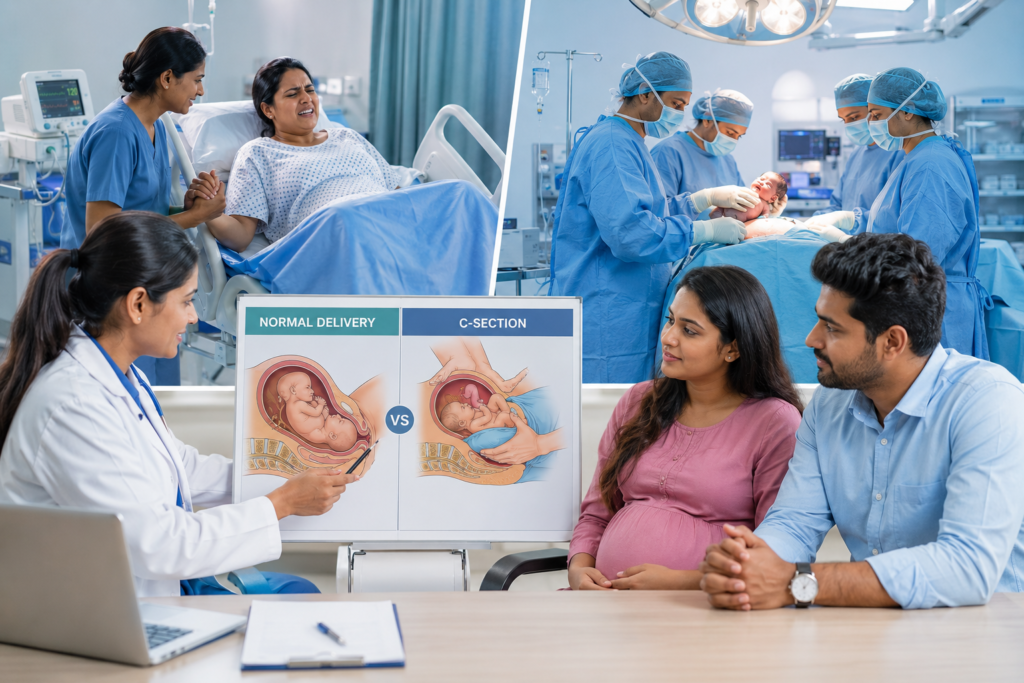
Emotional Health After Childbirth
The transition to parenthood can bring love and excitement alongside uncertainty, exhaustion, and sadness. These feelings can occur together and do not mean someone is failing as a parent.
Postnatal Care in Dwarka, Temporary mood changes may occur in the early days after delivery. However, persistent sadness, loss of interest, excessive worry, panic, guilt, or difficulty bonding with the baby may indicate that additional support is needed.
Recognising When Support Is Necessary
Contact a healthcare professional if emotional symptoms persist, become more intense, or interfere with eating, sleeping when possible, daily functioning, or caring for yourself. A professional can assess your concerns and discuss suitable psychological or medical support.
Seek urgent help if you experience thoughts of harming yourself or the baby, feel unable to stay safe, or develop severe confusion, unusual beliefs, or hallucinations. Postpartum psychosis is a medical emergency and requires immediate assessment. In India, call 112 for emergency assistance when there is immediate danger.
Postnatal Care in Dwarka, A mother should not be blamed or shamed for emotional difficulties after birth. Early support can protect her well-being and help the family respond to the situation appropriately.
Practical Home-Care Tips for New Mothers
Professional follow-up is important, but everyday arrangements also influence recovery. A realistic plan can reduce unnecessary strain during the first weeks.
- Prepare easy meals: Keep nutritious meals or simple ingredients available so eating regularly does not become another stressful task.
- Organise essential supplies: Keep feeding items, nappies, clean clothes, and other frequently used items within convenient reach.
- Accept practical help: Allow trusted family members or friends to assist with cooking, cleaning, errands, and care for older children.
- Follow wound-care instructions: Use the cleaning and dressing routine recommended by your healthcare team.
- Move gradually: Begin or increase activity according to professional advice and your comfort, especially after a caesarean birth.
- Keep appointments: Record follow-up dates and questions so important concerns are not forgotten.
- Protect emotional space: Make time to talk about your feelings with someone who listens without judgment.
Postnatal Care in Dwarka, These measures are intended to make recovery more manageable, not to create another list of expectations. If a task feels too difficult, simplify it or ask for help.
Warning Signs That Require Medical Attention
Knowing which symptoms need prompt assessment can help mothers and families act quickly. Do not wait for a routine appointment if symptoms are severe or worsening.
Seek urgent medical care for:
- Heavy bleeding, particularly if it is sudden or accompanied by dizziness or weakness.
- Chest pain, difficulty breathing, or fainting.
- A severe or persistent headache, especially with visual changes or high blood pressure concerns.
- Severe abdominal pain or rapidly worsening pelvic pain.
- Fever or chills with signs of infection.
- A painful, red, or swollen leg, especially if one-sided.
- Worsening redness, swelling, or discharge from a caesarean incision or other wound.
- Thoughts of self-harm, harming the baby, or inability to stay safe.
These symptoms may have different causes, but they should not be dismissed as normal recovery. If you are unsure whether a symptom is urgent, contact a healthcare professional promptly.

Frequently Asked Questions
1. When should I arrange Postnatal Care in Dwarka after delivery?
Follow the schedule recommended by your maternity team. Contact your healthcare professional sooner if you experience concerning symptoms, feeding difficulties, wound problems, blood pressure concerns, or emotional distress. Do not wait for a routine appointment when symptoms are severe.
2. How long does postnatal recovery take?
Recovery varies according to the type of delivery, the mother’s health, and whether complications occurred. Some changes improve over several weeks, while other aspects of physical and emotional recovery may take longer. Your clinician can advise you based on your circumstances.
3. Is postnatal care necessary after an uncomplicated delivery?
Yes. Even after an uncomplicated birth, follow-up helps assess healing, feeding, emotional health, and other concerns. Some complications develop after leaving the hospital, so knowing when and how to seek advice remains important.
4. What should I eat during postnatal recovery?
Aim for balanced meals containing protein, whole grains, vegetables, fruit, and suitable sources of healthy fats. Individual needs may differ, particularly after significant blood loss or when managing a medical condition. Ask your clinician whether specific supplements are appropriate.
5. Can I exercise soon after childbirth?
Gentle movement may be appropriate for many mothers, but the timing and type of activity depend on recovery and delivery-related factors. Follow personalised medical advice, especially after a caesarean birth or complications, and stop if an activity causes concerning symptoms.
6. Is it normal to feel emotional after having a baby?
Emotional changes can occur after childbirth, but persistent or severe symptoms deserve attention. If sadness, anxiety, hopelessness, or difficulty coping continues or worsens, contact a healthcare professional. Thoughts of self-harm or harming the baby require urgent support.
7. Can a postnatal care provider help with breastfeeding?
Some providers offer breastfeeding assessment and guidance, while others may refer you to a trained lactation professional. Ask about the service before booking, particularly if you have pain, difficulty attaching the baby, concerns about feeding, or worries about the baby’s growth.
Conclusion
Recovery after childbirth involves physical healing, emotional adjustment, feeding decisions, and learning to care for a newborn. Every mother’s experience is different, and there is no single timeline or routine that suits everyone. Appropriate medical follow-up, balanced nutrition, rest, practical family support, and early attention to warning signs can all contribute to safer recovery.
Choosing suitable Postnatal Care in Dwarka can help families access guidance that reflects the mother’s needs and the baby’s well-being. Check professional qualifications, confirm available services, and ask how follow-up and urgent concerns are managed.
Most importantly, do not ignore persistent pain, unusual bleeding, emotional distress, or other worrying changes. Seeking timely professional advice is a responsible part of recovery, and accepting help is not a sign of weakness. With appropriate care and practical support, new mothers can focus on healing while adjusting to life with their baby.
Contact Information

Dr. Jasleen Kaur Malhotra
Gynaecologist, Obstetrician & Infertility Specialist
📍 Address: Clinic No. 56A, Behind Main Market, Sector 6, Dwarka, New Delhi – 110075
📞 Phone: +91-99105-52246
🌐 Website: gynaefemmewellnessdwarka.com