
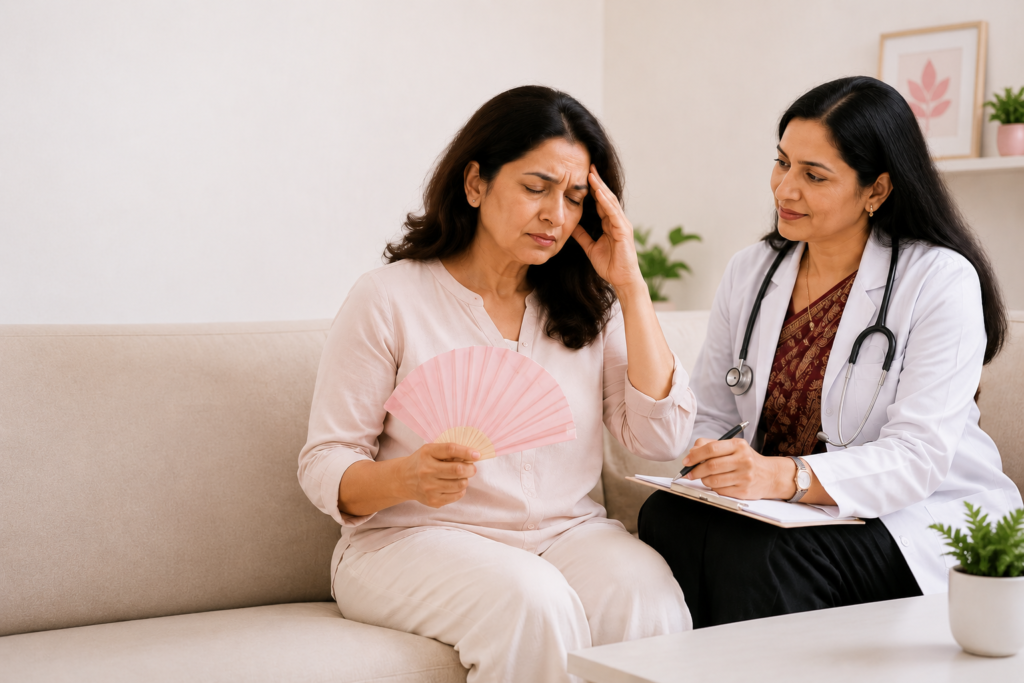
Menopause is a natural stage of a woman’s life, but the physical and emotional changes that come with it can sometimes be difficult to understand and manage. Hot flashes, irregular periods, sleep problems, mood changes, vaginal dryness, fatigue, and changes in weight are commonly associated with the menopausal transition. While these symptoms can be a normal part of aging, they should not be dismissed when they begin affecting daily comfort or quality of life.
Choosing a qualified Menopause Specialist Dwarka can help women understand these changes and receive personalized guidance. Menopause care is not simply about treating hot flashes or irregular periods. It involves looking at a woman’s overall health, symptoms, lifestyle, medical history, bone health, cardiovascular risk, and long-term well-being.
Table of Contents
What Is Menopause and Why Does It Happen?
Menopause marks the end of a woman’s menstrual periods and reproductive years. It occurs when the ovaries gradually stop releasing eggs and produce lower levels of reproductive hormones, particularly estrogen and progesterone.
Menopause is officially considered to have occurred after a woman has gone 12 consecutive months without a menstrual period, provided there is no other medical explanation for the absence of periods.

1. Understanding Changing Hormones
Hormonal changes during midlife can influence energy, sleep, mood, periods, and overall comfort. A Menopause Specialist Dwarka can help women understand these changes through personalized evaluation and practical guidance. Instead of relying on assumptions or internet information, professional consultation can provide clarity about symptoms, treatment possibilities, lifestyle changes, and preventive healthcare needs.
2. Personalized Menopause Care
Every woman’s experience with menopause is different. Some may experience occasional hot flashes, while others struggle with multiple symptoms affecting everyday activities. A Menopause Specialist Dwarka can assess individual concerns and recommend suitable management strategies. Personalized care ensures that treatment decisions consider medical history, symptoms, lifestyle, preferences, and long-term health goals.
3. Managing Daily Discomfort
Menopause symptoms can sometimes make ordinary routines more difficult. Night sweats may disturb sleep, hot flashes can interrupt work, and mood changes may affect relationships. Consulting a Menopause Specialist Dwarka can help identify practical ways to manage these concerns. Appropriate medical advice may improve comfort and make daily life easier.
4. Supporting Healthy Aging
Menopause is also an opportunity to focus on long-term health rather than symptoms alone. A Menopause Specialist Dwarka can discuss important areas such as bone strength, cardiovascular health, nutrition, exercise, sleep, and preventive screenings. Taking care of these factors during midlife can support healthier aging and encourage better overall well-being.
5. Addressing Sleep Problems
Poor sleep can leave women feeling exhausted, distracted, and emotionally drained throughout the day. Hormonal changes, night sweats, stress, and other factors may contribute to sleep difficulties. A Menopause Specialist Dwarka can help evaluate possible causes and suggest appropriate strategies, ensuring persistent sleep concerns are not simply dismissed as an unavoidable part of aging.
6. Discussing Treatment Options
Women often have questions about whether medication, hormone therapy, or lifestyle changes are appropriate during menopause. A Menopause Specialist Dwarka can explain available options according to individual circumstances. Understanding potential benefits, limitations, and risks allows women to participate confidently in treatment decisions instead of choosing therapies without professional guidance.
7. Improving Emotional Well-Being
Changes during menopause can sometimes affect confidence, mood, and emotional balance. Work responsibilities, family commitments, sleep problems, and physical symptoms may add to the challenge. A Menopause Specialist Dwarka can help women understand whether emotional changes may be connected to menopause and recommend appropriate medical or psychological support when necessary.
8. Managing Vaginal Symptoms
Vaginal dryness, irritation, and discomfort can occur during and after menopause, yet many women feel uncomfortable discussing these concerns. Speaking with a Menopause Specialist Dwarka provides a professional environment to address these symptoms openly. Depending on individual needs, the doctor can explain suitable treatment and self-care options for improving comfort and quality of life.
9. Preparing for Your Consultation
Preparing a few notes before a menopause appointment can make the discussion more useful. Women can record their symptoms, menstrual changes, medications, sleep patterns, and important questions. Sharing this information with a Menopause Specialist Dwarka gives the doctor a clearer understanding of individual concerns and helps support a more focused consultation.
10. Taking Control of Menopause Health
Seeking professional advice does not mean menopause is an illness. It means taking an informed approach to a natural stage of life. A Menopause Specialist Dwarka can provide reliable guidance, answer questions, discuss treatment choices, and help women create practical strategies for maintaining comfort, confidence, and long-term health.
7 Reasons to Consult a Menopause Specialist Dwarka
Menopause care should be individualized because symptoms, medical history, and treatment needs vary significantly from one woman to another. Here are seven important reasons professional guidance can be valuable.
1. Accurate Assessment of Menopause Symptoms
Menopause symptoms can overlap with other health conditions. Fatigue, poor concentration, sleep problems, mood changes, and irregular periods may have multiple possible causes.
A specialist can review symptoms alongside menstrual history, age, medications, lifestyle, and existing medical conditions. This broader assessment can help determine whether symptoms are likely connected to perimenopause or menopause.
2. Personalized Treatment Planning
There is no single menopause treatment that works for every woman. Some women may not need medication at all, while others may benefit from targeted treatment.
A Menopause Specialist Dwarka can consider the type, severity, duration, and impact of symptoms before recommending an approach.
Treatment may involve lifestyle modifications, non-hormonal medications, hormone therapy in appropriate candidates, vaginal treatments, sleep strategies, or other interventions.
The objective is to select an approach that matches the woman’s symptoms and health profile rather than following a one-size-fits-all plan.
3. Better Management of Hot Flashes and Night Sweats
Hot flashes are among the most recognizable symptoms of menopause. They can cause a sudden sensation of heat, sweating, flushing, and discomfort. Night sweats may also interrupt sleep.
For some women, these symptoms are occasional and manageable. For others, they may occur frequently and interfere with work, social activities, concentration, and sleep.
4. Support for Sleep and Mood Changes
Sleep disturbances are common during the menopausal transition. Some women have difficulty falling asleep, while others wake repeatedly during the night because of hot flashes, anxiety, or other symptoms.
Poor sleep can then affect concentration, energy, mood, and productivity during the day.
Mood changes may also occur during this stage. Hormonal changes, sleep disruption, personal responsibilities, workplace stress, and other life circumstances can all contribute.
5. Protection of Long-Term Health
Menopause care is not only about immediate symptoms. Falling estrogen levels can influence bone health and may contribute to changes in cardiovascular and metabolic health over time.
Depending on a woman’s health history, this may include discussions about blood pressure, cholesterol, blood sugar, body weight, physical activity, calcium and vitamin D intake, bone health, and other preventive measures.
6. Guidance About Hormone Therapy
Hormone therapy is one of the treatments that may be considered for certain menopausal symptoms. However, it is not suitable for everyone, and the decision should be individualized.
A Menopause Specialist Dwarka can explain potential benefits, risks, available forms, and alternatives based on the woman’s age, symptoms, medical history, and personal risk factors.
7. Reassurance and Professional Guidance
Menopause can create uncertainty. A woman may wonder whether a symptom is normal, whether treatment is necessary, or whether she should simply wait for it to pass.
A good consultation allows women to ask questions, discuss concerns, understand treatment choices, and make informed decisions. Having a healthcare professional monitor changing symptoms can also make it easier to adjust treatment when necessary.
Understanding Perimenopause
Many women think menopause begins when periods suddenly stop. In reality, the transition often develops gradually.
Perimenopause can involve changes in menstrual timing, flow, and duration. Some months may be shorter than usual, while other cycles may become longer. Symptoms such as hot flashes, sleep changes, irritability, or breast tenderness may also occur.
This period can last several years and is different for every woman.
A Menopause Specialist Dwarka can help women understand what is happening and distinguish expected hormonal changes from symptoms that require further investigation.
Keeping a simple record of menstrual cycles and symptoms can be useful during consultations. Recording the timing of hot flashes, sleep changes, mood symptoms, and bleeding patterns may help the doctor understand the overall picture.

Lifestyle Changes That Can Support Menopause Health
Medical treatment is only one part of menopause care. Daily habits can also influence symptoms and long-term health.
Maintain Regular Physical Activity
Exercise can support muscle strength, cardiovascular health, balance, mood, and bone health.
A combination of aerobic activity, strength exercises, and weight-bearing movement can be useful for many women. The right routine depends on fitness level, age, existing health conditions, and personal preferences.
Eat a Balanced Diet
A balanced diet can provide nutrients needed during midlife and beyond. Meals can include vegetables, fruits, whole grains, protein sources, healthy fats, and appropriate sources of calcium and vitamin D.
Reducing excessive intake of highly processed foods and added sugars may also support overall health.
Individual nutritional needs can differ, particularly for women with medical conditions or dietary restrictions.
Prioritize Sleep
Good sleep becomes especially important when menopause symptoms interfere with nighttime rest.
A regular bedtime, comfortable sleeping environment, reduced screen exposure before bed, and limiting caffeine later in the day can help establish healthier sleep habits.
If persistent insomnia continues despite lifestyle changes, discuss it with a healthcare professional rather than relying on sleeping medication without guidance.
Manage Stress
Stress can make it more difficult to cope with physical symptoms and may affect sleep and mood.
Activities such as walking, breathing exercises, yoga, meditation, hobbies, social connection, and relaxation practices may help.
Women experiencing significant anxiety, depression, or emotional distress should seek appropriate professional support.
Menopause and Bone Health
Estrogen plays an important role in maintaining bone health. As estrogen levels decline during menopause, bone loss can accelerate in some women.
This makes midlife an important time to discuss bone health and osteoporosis risk.
A Menopause Specialist Dwarka may assess factors such as family history, age, previous fractures, body weight, physical activity, smoking, alcohol consumption, medications, and other health conditions when considering bone health.
Weight-bearing exercise and resistance training can support bone and muscle strength. Adequate calcium and vitamin D intake is also important.
Some women may require additional assessment, including bone density testing, depending on their individual risk profile.
Managing Vaginal and Urinary Symptoms
Vaginal dryness and discomfort can occur because of changes in estrogen levels. Some women may experience discomfort during intercourse, irritation, burning, or changes in urinary symptoms.
These concerns can be embarrassing to discuss, but they are common and deserve appropriate medical attention.
A Menopause Specialist Dwarka can explain treatment options based on symptoms and individual medical history.
Choosing the Right Menopause Specialist Dwarka
Selecting a specialist is an important decision because menopause care can involve both immediate symptoms and long-term health considerations.
Look for a qualified medical professional with appropriate experience in women’s health and menopausal care.
Consider whether the doctor listens carefully, explains treatment choices clearly, discusses benefits and risks, and takes your personal medical history into account.
Accessibility can also matter. A conveniently located clinic may make it easier to attend follow-up appointments and maintain continuity of care.
However, location should not be the only consideration. Qualifications, experience, communication, individualized care, and professional reputation are equally important.
Frequently Asked Questions
What does a Menopause Specialist Dwarka do?
A menopause specialist helps women understand and manage symptoms associated with perimenopause and menopause. Care may include symptom assessment, lifestyle guidance, treatment planning, preventive health discussions, and monitoring of long-term health concerns.
Is menopause a disease?
No. Menopause is a natural biological stage. However, symptoms can sometimes be uncomfortable or disruptive, and certain health risks may change during midlife. Professional care can help women manage symptoms and maintain overall health.
What is the difference between perimenopause and menopause?
Perimenopause is the transitional period when hormone levels fluctuate and menstrual cycles begin changing. Menopause is confirmed after 12 consecutive months without a menstrual period when no other cause explains the absence.
Do all women need treatment for menopause?
No. Treatment depends on symptoms, their impact, health history, and personal preferences. Some women experience mild symptoms and need little or no medical treatment, while others may benefit from targeted therapy.
Can menopause affect sleep?
Yes. Hormonal changes, night sweats, hot flashes, stress, mood changes, and other factors can contribute to sleep problems during the menopausal transition. Persistent sleep difficulties should be discussed with a healthcare professional.
Is hormone therapy safe for every woman?
No. Hormone therapy may be appropriate for some women but not others. Individual medical history and risk factors need to be considered before treatment is started.
When should I see a Menopause Specialist Dwarka?
You can seek professional advice whenever menopause-related symptoms become difficult to manage or begin affecting sleep, work, relationships, physical comfort, or quality of life. Unusual or postmenopausal bleeding should also be medically evaluated.
Can lifestyle changes improve menopause symptoms?
Lifestyle measures such as regular physical activity, balanced nutrition, good sleep habits, stress management, and avoiding personal symptom triggers may support overall well-being. However, lifestyle changes may not be sufficient for everyone.
A Positive Approach to Menopause Care
Menopause represents a significant transition, but it does not have to mean accepting persistent discomfort or uncertainty. Understanding the changes taking place in your body can make it easier to make informed health decisions.
Working with a qualified Menopause Specialist Dwarka can provide personalized guidance for symptoms such as hot flashes, sleep difficulties, mood changes, vaginal discomfort, irregular periods, and other concerns. Professional care can also address important areas such as bone health, cardiovascular risk, lifestyle, and preventive healthcare.
Contact Information

Dr. Jasleen Kaur Malhotra
Gynaecologist, Obstetrician & Infertility Specialist
📍 Address: Clinic No. 56A, Behind Main Market, Sector 6, Dwarka, New Delhi – 110075
📞 Phone: +91-99105-52246
🌐 Website: gynaefemmewellnessdwarka.com