

Menopause is a natural stage of life, but the symptoms that accompany it can affect sleep, mood, energy, work, relationships, and everyday comfort. Some women experience hot flashes or night sweats, while others notice irregular periods, vaginal dryness, changes in mood, difficulty concentrating, or unexpected shifts in their overall well-being. Because symptoms vary considerably from person to person, getting individualized medical guidance can make the transition easier to understand and manage.
A Menopause Specialist in Dwarka can provide focused care for concerns associated with perimenopause, menopause, and the years that follow. Rather than assuming that every symptom is simply part of aging, a specialist can listen to the complete picture, review relevant health factors, discuss appropriate options, and help you make informed decisions about your care.
For women looking for convenient local healthcare, a Menopause Specialist in Dwarka can also make it easier to maintain continuity of care. Follow-up discussions may be useful when symptoms change or when a treatment plan needs to be reviewed.
Table of Contents
What Is Menopause and Why Does It Need Individualized Care?
Menopause refers to the point when menstrual periods have permanently stopped following the natural decline in ovarian hormone production. It is confirmed retrospectively after twelve consecutive months without a menstrual period when there is no other explanation. The transition leading up to it, called perimenopause, can last for several years and often involves changing symptoms.
This is why a personalized consultation can be valuable. A Menopause Specialist in Dwarka may consider your symptoms alongside your broader health history instead of focusing on one complaint in isolation. This approach can make conversations about treatment, lifestyle measures, monitoring, and preventive health more relevant to your individual situation.
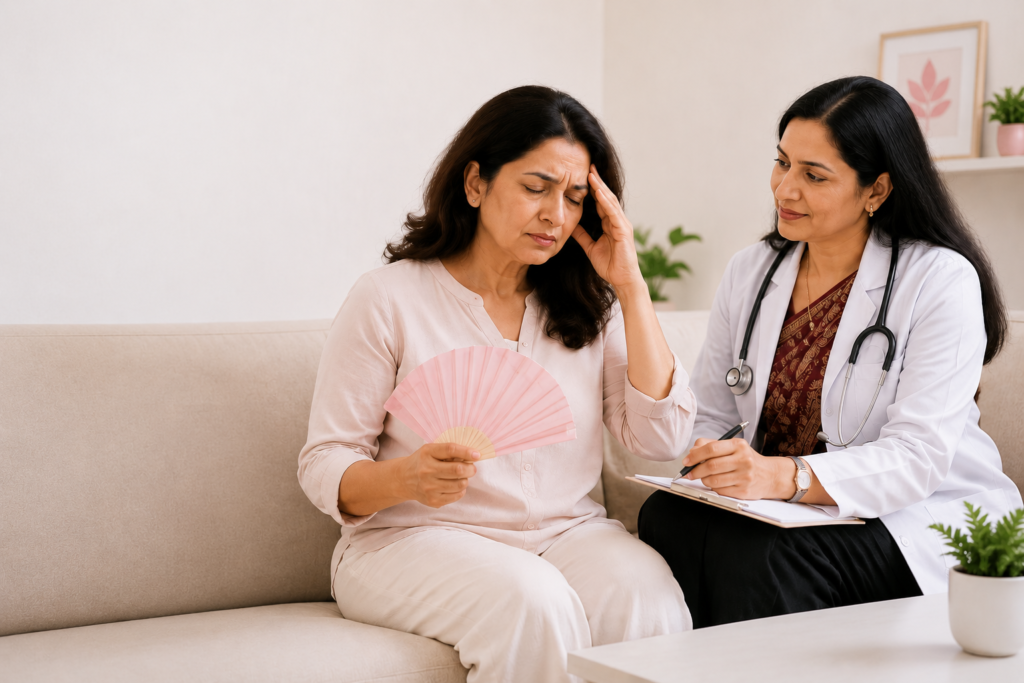
Common Symptoms That May Lead Women to Seek Help
Menopausal symptoms can range from mild and occasional to persistent enough to interfere with daily activities. Common concerns may include:
- Hot flashes and sudden feelings of warmth
- Night sweats and disrupted sleep
- Irregular, heavier, or lighter periods during perimenopause
- Vaginal dryness or discomfort
- Changes in sexual comfort or desire
- Mood changes, irritability, or emotional sensitivity
- Difficulty concentrating or feeling mentally “foggy”
- Fatigue or changes in energy
- Headaches
- Changes in skin or hair
- Urinary or pelvic symptoms
- Changes in body composition or weight
Having one or more of these symptoms does not automatically mean that menopause is the only cause. Similar symptoms can sometimes occur with other health conditions, medication effects, thyroid concerns, nutritional issues, stress, or sleep problems. A healthcare professional can decide whether further evaluation is appropriate.
If symptoms are becoming difficult to manage, consulting a Menopause Specialist in Dwarka can provide an opportunity to understand whether they are consistent with the menopausal transition or whether another explanation should be considered.
Why Consider a Menopause Specialist in Dwarka?
Women searching locally often want more than a general consultation. They may be looking for someone who understands the changing symptoms of midlife and can discuss sensitive concerns without judgment.
A specialist-focused consultation can provide an opportunity to discuss menstrual changes, sleep, emotional well-being, sexual health, bone health, cardiovascular risk factors, and other questions in one broader conversation. It can also help women understand which symptoms may be related to menopause and which should be investigated separately.
For someone living or working in and around Dwarka, choosing a nearby professional may also make follow-up more convenient. Menopause care is not necessarily a single-visit process. Symptoms can change over time, and treatment decisions may need to be reviewed based on response, preferences, and evolving health needs.
When evaluating a Menopause Specialist in Dwarka, it is useful to think beyond convenience. Communication style, relevant experience, privacy, appointment flexibility, and willingness to discuss different management options can all influence whether you feel comfortable continuing care.
Questions to Discuss During Your First Appointment
Before meeting a Menopause Specialist in Dwarka, consider writing down your main symptoms and when they occur. A simple record of menstrual patterns, hot flashes, sleep changes, mood concerns, medications, and other relevant symptoms can make the appointment more productive.
You can also prepare questions such as:
- Could these symptoms be related to perimenopause or menopause?
- Should any other causes be considered?
- What lifestyle measures may be useful for my symptoms?
- What treatment options are available, and what are their potential benefits and risks?
- Do my medical history or current medicines affect those options?
- What follow-up would be appropriate?
You do not need to remember everything during the consultation. Taking notes or bringing a trusted support person, if appropriate, can help you feel more comfortable.
7 Powerful Benefits of Specialized Menopause Care
1. Better Understanding of Your Symptoms
One of the most useful benefits of seeing a Menopause Specialist in Dwarka is having a dedicated conversation about symptoms that can otherwise be confusing. Menopause may involve several changes at once, making it difficult to know which issues are connected.
A focused assessment can help organize those concerns. The professional may ask about periods, sleep, mood, hot flashes, vaginal or urinary symptoms, medications, lifestyle, and relevant medical history. This broader discussion may help you understand what is happening and what deserves attention.
Clear information can also reduce unnecessary worry. Knowing what is commonly associated with the menopausal transition and what may require additional evaluation gives you a more informed basis for decisions.
2. Individualized Treatment Discussions
There is no single menopause plan that is suitable for every woman. Some people may prefer lifestyle-based approaches, while others may want to discuss prescription treatments or other options when symptoms are significantly affecting their quality of life.
A Menopause Specialist in Dwarka can explain available choices in the context of your health history, symptoms, preferences, and potential risks. Depending on the situation, the discussion may include non-hormonal approaches, hormone therapy, local treatments for certain symptoms, or other medically appropriate options.
The important point is informed choice. Treatment should be discussed with a qualified healthcare professional rather than selected solely because a friend, influencer, or online article had a particular experience.
3. Support for Sleep and Daily Functioning
Sleep disruption can become one of the most frustrating aspects of menopause. Night sweats, difficulty falling asleep, waking frequently, or changes in mood can leave a person feeling tired during the day.
A Menopause Specialist in Dwarka can help explore whether menopausal symptoms may be contributing to sleep difficulties and whether other factors should also be considered. The conversation may include practical sleep habits, symptom management, and appropriate evaluation when necessary.
Improving sleep is not simply about feeling less tired. Better rest can make it easier to concentrate, manage emotions, maintain routines, and participate in normal daily activities.
4. Sensitive Care for Intimate and Genitourinary Concerns
Vaginal dryness, discomfort during sex, changes in urinary symptoms, and other intimate concerns can be difficult to discuss. Some women delay seeking help because they feel embarrassed or assume that these problems must simply be tolerated.
A Menopause Specialist in Dwarka can provide a professional setting where these topics can be discussed privately and without judgment. Depending on the symptoms, a clinician may recommend appropriate evaluation, lifestyle measures, lubricants or moisturizers, pelvic health support, or medical treatments when suitable.
There is no need to minimize symptoms simply because they concern an intimate part of the body. Comfort and sexual well-being are legitimate aspects of overall health.
5. Guidance Beyond Immediate Symptoms
Menopause care is not only about hot flashes. Midlife health may also be an appropriate time to review broader preventive healthcare needs based on personal risk factors.
During a consultation with a Menopause Specialist in Dwarka, you can ask which routine health checks are relevant to you and whether your medical or family history calls for particular attention. Depending on age, history, and clinical circumstances, a healthcare professional may discuss areas such as bone health, blood pressure, metabolic health, cardiovascular risk, breast health, or cervical screening.
This does not mean every woman needs the same tests. Appropriate screening and evaluation should be based on individual circumstances and current medical guidance.
6. Better Support During Perimenopause
Many women first notice changes before their periods stop completely. Cycles may become unpredictable, symptoms can fluctuate, and the connection between physical and emotional changes may be unclear.
A Menopause Specialist in Dwarka can help explain the perimenopausal transition and discuss ways to manage symptoms while menstrual patterns are still changing. This can be particularly useful when symptoms are affecting work, sleep, exercise, family life, or confidence.
Understanding that the transition can be variable may also help women avoid expecting a perfectly predictable timeline. The goal is not to force the body into a fixed schedule but to receive appropriate support as changes occur.
7. Confidence in Making Health Decisions
Menopause information online can be overwhelming. One source may strongly promote a supplement, another may criticize a particular treatment, and social media discussions can make individual experiences sound universal.
A Menopause Specialist in Dwarka can help you evaluate options using your own health information rather than relying on generalized advice. You can ask about expected benefits, possible side effects, alternatives, monitoring, and when to return for review.
Good healthcare is a conversation. You should feel able to ask questions, express concerns, and understand why a particular approach is being suggested before making decisions about your care.

How a Menopause Consultation Typically Works
A first appointment generally begins with a discussion of your symptoms, menstrual history, medical background, medicines, and personal concerns. The clinician may ask how symptoms affect sleep, work, relationships, exercise, and daily routines.
Depending on your history and symptoms, a physical examination or investigations may be considered. Not every symptom requires extensive testing, and the need for tests depends on the clinical situation.
After assessment, the professional may discuss possible explanations, lifestyle measures, treatment choices, and follow-up. The plan can be adjusted later if your symptoms change or if an initial approach is not suitable.
The consultation should be a two-way discussion rather than a rushed list of instructions. If something is unclear, ask for an explanation in plain language.
For women considering a Menopause Specialist in Dwarka, understanding this process beforehand can make the first appointment feel more structured and less intimidating.
Choosing the Right Local Specialist in Dwarka
Finding a suitable Menopause Specialist in Dwarka involves more than selecting the first name that appears in an online search. Consider whether the professional’s area of practice matches your concerns and whether the consultation environment makes you comfortable discussing personal symptoms.
Useful factors to compare include:
- Relevant experience in women’s midlife health
- Clear communication and willingness to answer questions
- A respectful and non-judgmental approach
- Availability of appropriate follow-up
- Convenient location and appointment timing
- Options for in-person or online consultations where available
- Clear explanation of treatment benefits, risks, and alternatives
- Respect for your preferences and involvement in decisions
You can also ask how the professional approaches hormone therapy, non-hormonal options, lifestyle changes, and referrals when another specialist is needed. The goal is not to find someone who promises a particular outcome, but someone who can provide appropriate, individualized care.
A good Menopause Specialist in Dwarka should make you feel comfortable discussing concerns that you may not normally bring up during a routine medical appointment.
Online vs. In-Person Menopause Consultations
Both online and in-person consultations can have a place in menopause care, depending on the concern and the clinician’s practice.
Online appointments can be convenient when travel is difficult, when you need a follow-up discussion, or when you want to talk through symptoms from home. They can also make ongoing communication easier for people with demanding schedules.
In-person care may be more appropriate when a physical examination is needed, when symptoms require direct assessment, or when the clinician recommends investigations or procedures that cannot be completed remotely.
If you are considering a Menopause Specialist in Dwarka, ask whether online appointments are suitable for your specific concern. A healthcare professional can guide you on when an in-person visit is preferable.
Practical Habits That May Support Menopause Well-Being
Professional care can be combined with everyday habits that support general health. These measures are not substitutes for medical evaluation, but they may complement an individualized plan.
Build a Consistent Sleep Routine
Try to maintain regular sleep and wake times. Keep the bedroom comfortable, limit stimulating activities close to bedtime, and consider how evening caffeine or alcohol affects your sleep.
If repeated night waking or severe sleep problems continue, discuss them with a healthcare professional rather than assuming you simply need to tolerate them.
Stay Physically Active
Regular movement can support general physical and emotional well-being. Walking, strength exercises, stretching, or other activities you enjoy can make it easier to maintain an active routine.
If you have a medical condition or have been inactive for a long time, ask a healthcare professional what level of activity is appropriate for you.
Pay Attention to Nutrition
A varied diet with adequate protein, fiber, fruits, vegetables, and nutrient-rich foods can support overall health. Calcium and vitamin D are particularly relevant to bone health, but individual nutritional needs vary.
Be cautious with supplements marketed as menopause cures. “Natural” does not automatically mean safe, effective, or appropriate for everyone.
Track Your Symptoms
Keeping a simple symptom diary can help identify patterns. Record sleep, hot flashes, menstrual changes, mood, food or drink triggers, medications, and anything else that seems relevant.
Sharing this information with a Menopause Specialist in Dwarka can make it easier to discuss which symptoms are most disruptive and whether they are changing over time.
When Should You Seek Professional Help?
You do not have to wait until symptoms become unbearable before asking for help. Consider making an appointment if symptoms are persistent, interfere with sleep or daily life, create significant discomfort, or leave you uncertain about what is happening.
Unexpected bleeding patterns, particularly bleeding after menopause has been established, should be discussed with a healthcare professional. Severe or unusual symptoms should also receive appropriate medical attention rather than being automatically attributed to menopause.
A Menopause Specialist in Dwarka can help determine whether your concerns fit within the expected menopausal transition or whether further assessment may be appropriate.
If emotional distress becomes overwhelming, or if you experience thoughts of harming yourself or feel unsafe, seek urgent professional or emergency support. Menopause-related concerns deserve care, but serious symptoms should never be managed alone.

Common Misconceptions About Menopause Care
“I Just Have to Put Up With It”
Menopause is a natural life stage, but that does not mean distressing symptoms must simply be ignored. Many management options may be available, depending on the person’s circumstances.
“Hormone Therapy Is Right for Everyone—or Wrong for Everyone”
Neither statement is accurate. Hormone therapy can have benefits and risks, and suitability depends on individual factors. A qualified professional can discuss whether it is appropriate and what alternatives exist.
“Only Women With Severe Symptoms Need Help”
Even symptoms that seem moderate can affect sleep, confidence, intimacy, work, or family life. A consultation can be useful simply for clarity and reassurance.
“Online Advice Is Enough”
General information can help you prepare questions, but it cannot replace an individualized assessment. Your age, medical history, medications, symptoms, and personal risk factors matter when healthcare decisions are being made.
Frequently Asked Questions
1. What does a Menopause Specialist in Dwarka do?
A menopause-focused healthcare professional evaluates symptoms associated with perimenopause and menopause, considers relevant health factors, explains management options, and provides individualized guidance. The exact scope of care depends on the clinician’s training and practice.
2. When should I see a menopause specialist?
Consider seeking professional advice when symptoms are persistent, disruptive, confusing, or affecting your quality of life. You can also schedule a consultation if you simply want reliable information about changes occurring during perimenopause or menopause.
3. Do all menopause symptoms require medication?
No. Management depends on the symptoms, their severity, your health history, and your preferences. Lifestyle measures, non-hormonal approaches, local treatments, hormone therapy, or other options may be discussed when appropriate.
4. Can menopause affect sleep and mood?
Yes, hormonal changes and symptoms such as hot flashes or night sweats can coincide with sleep disruption and mood changes. However, persistent or significant symptoms can have multiple possible causes, so professional evaluation may be useful.
5. Is hormone therapy safe for every woman?
Hormone therapy is not automatically suitable for everyone. A healthcare professional should review your medical history, symptoms, potential benefits, risks, and alternatives before you decide whether it is appropriate.
6. Can I have an online consultation for menopause concerns?
In some situations, yes. Online consultations may be useful for discussing symptoms or follow-up, but certain concerns may require an in-person assessment. Ask the clinician whether remote care is suitable for your situation.
7. How can I prepare for my first appointment?
Write down your main symptoms, menstrual history, current medicines and supplements, relevant medical conditions, and questions you want answered. A symptom diary can also help you describe patterns more clearly during your appointment.
Conclusion
Menopause can bring physical, emotional, and practical changes, but you do not have to navigate every concern without guidance. Understanding your symptoms, discussing appropriate treatment choices, and paying attention to broader midlife health can help you take a more informed approach to this stage of life.
Choosing a Menopause Specialist in Dwarka may be especially useful when symptoms are persistent, disruptive, or difficult to understand. A qualified professional can assess your individual circumstances, explain available options, and help you decide what type of support is appropriate.
The most important step is to avoid comparing your experience with someone else’s. Menopause is highly individual, and good care should reflect your symptoms, medical history, preferences, and goals. With the right information and professional support when needed, you can approach this transition with greater clarity and confidence.
Contact Information
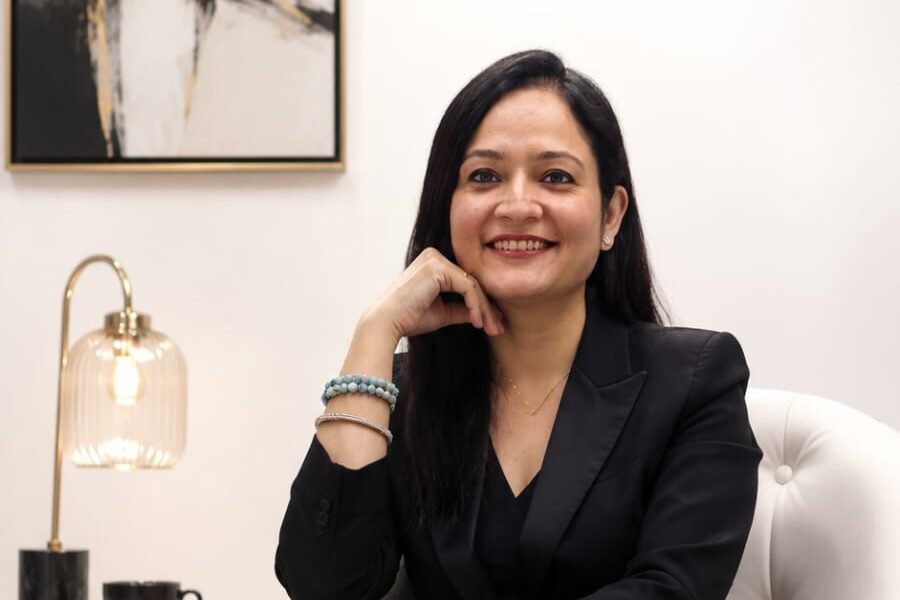
Dr. Jasleen Kaur Malhotra
Gynaecologist, Obstetrician & Infertility Specialist
📍 Address: Clinic No. 56A, Behind Main Market, Sector 6, Dwarka, New Delhi – 110075
📞 Phone: +91-99105-52246
🌐 Website: gynaefemmewellnessdwarka.com